Why Mala Tang Is Growing in the Japanese Market and the Future of Foodservice Trends
Why Mala Tang Is Growing in the Japanese Market and the Future of Foodservice Trends
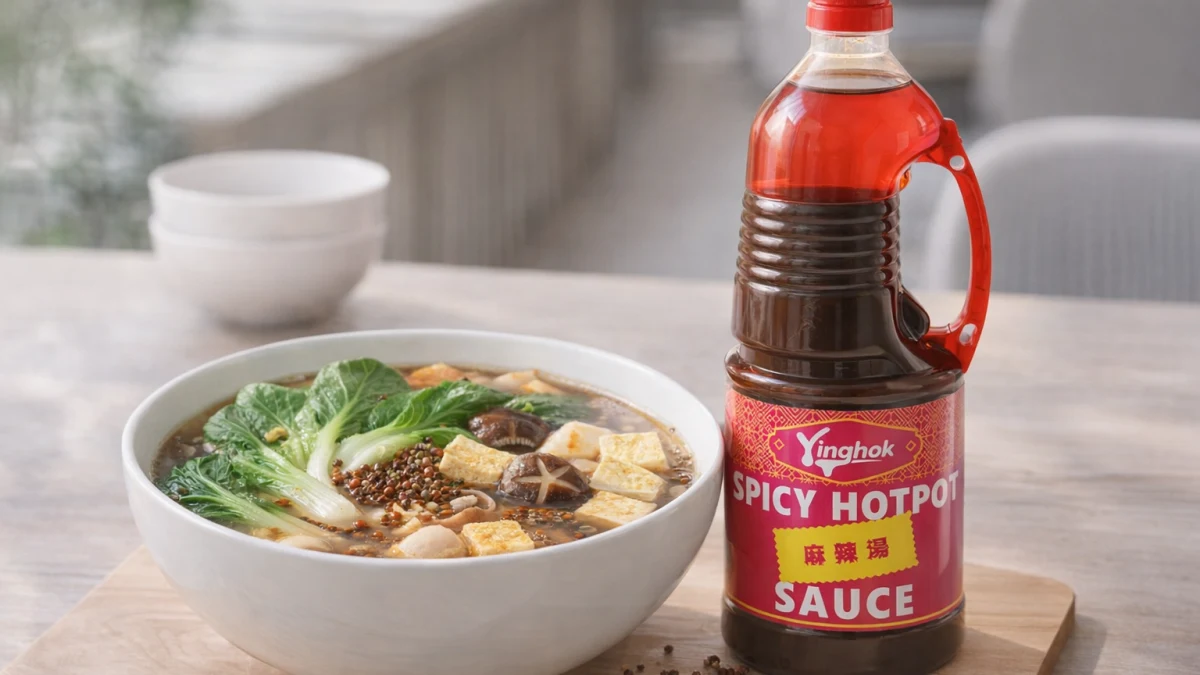
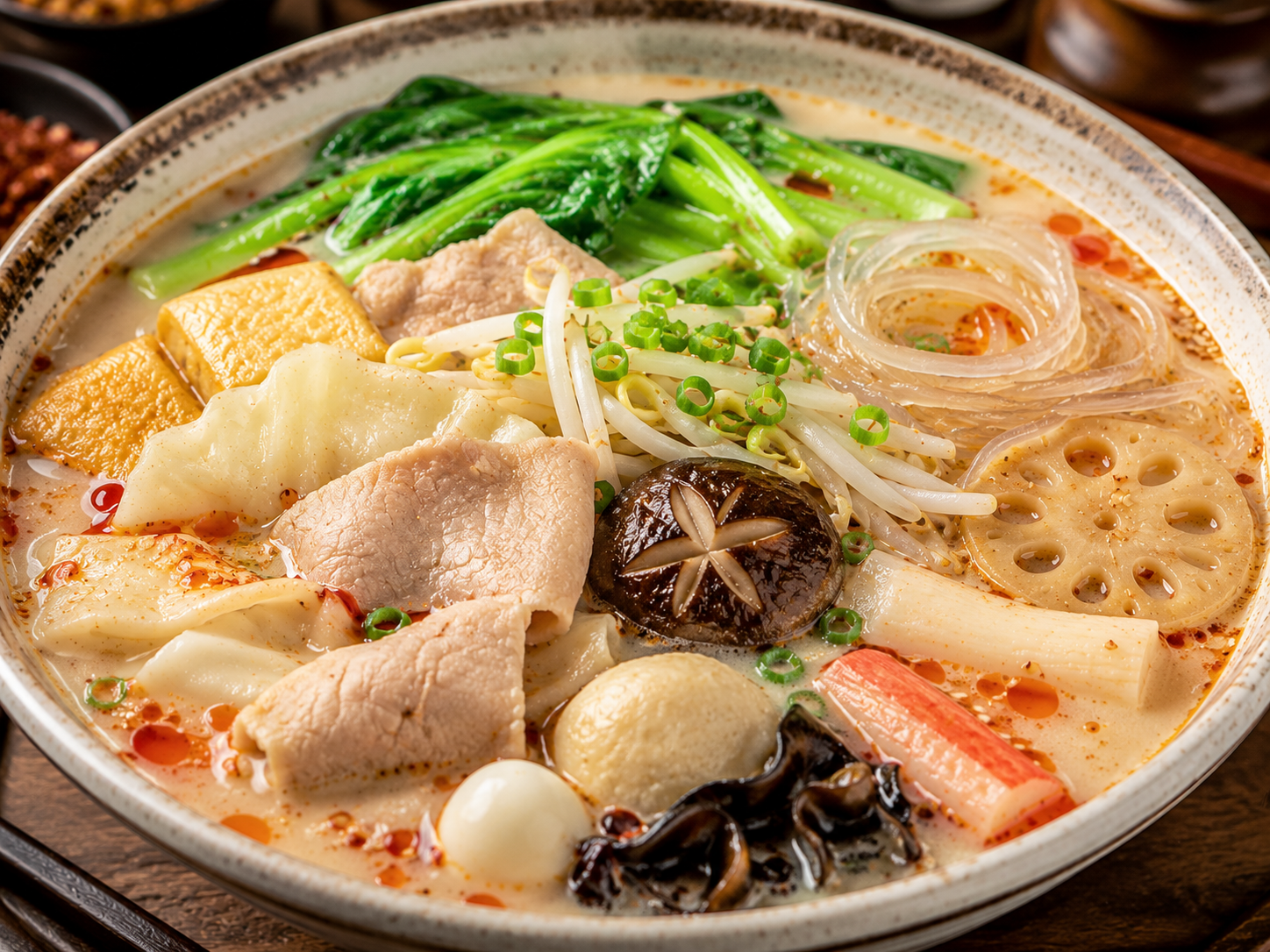
Mala tang has become one of the central themes in Japanese foodservice trends over the past several years. The successive openings of authentic chains and the spread on social media have rapidly broadened awareness, particularly among younger and female demographics. At the same time, product development and procurement teams genuinely struggle to judge whether this is a passing fad or a lasting fixture.
This article structurally organizes the reasons mala tang has been embraced in Japan, explains its differences from mala hot pot, the market changes likely to come, and the realistic perspectives that foodservice companies and food trading companies should adopt. Rather than arguing that you "should enter now," it provides material for considering "which position offers a real opportunity."
Chapter 1: The Background Behind Mala Tang's Growth in the Japanese Market
Mala tang is a Chinese-style soup dish in which diners select their preferred ingredients and adjust the spice level. Its growth in Japan should be understood as the result of several overlapping factors.
First, there is the influx of authentic Chinese chains. The increase of specialty stores offering authentic flavors, centered on urban areas, has raised baseline awareness of mala tang as a food category itself.
Next is its compatibility with SNS-worthy visuals and customization culture. The style of choosing your own ingredients and toppings aligns with consumer psychology that seeks photogenic appeal and "a bowl that's uniquely yours."
Furthermore, the support from women who see it as a "guilt-free spicy dish" cannot be overlooked. Its image of allowing one to eat plenty of vegetables, and the fact that it is soup-centered and not too heavy, are highly valued. The growth of mala tang can be seen as an extension of the now-established acceptance of trends originating from Korea and China.
Chapter 2: Differences from Mala Hot Pot and Why It Is Easily Accepted
Mala tang is often confused with mala hot pot. While the two share the common element of spicy soup, their suitability for the Japanese market differs significantly.
The Strength of Solo Dining and Lunch Suitability
Mala hot pot is fundamentally a "hot pot" format gathered around by multiple people, leaning toward dinner and banquet demand. In contrast, mala tang is a single-serving, self-contained format that works on the premise of solo dining. It easily captures lunch demand and, from the perspective of table turnover, is a dish that fits well with foodservice operations.
Price-Point Adjustment and the Vegetable-Intake Image
A distinctive feature is the ability to flexibly design the average spend per customer through the ingredient-selection system. It can be offered in small portions, and the design allows raising the price point through additional toppings. Because it can be built primarily around vegetables, it is structurally well-suited to health-conscious appeals.
These elements—"solo, convenient, and adjustable"—fit the Japanese foodservice scene. The basis for the mala tang foodservice trend heading toward lasting establishment lies in this ease of use.
Chapter 3: Anticipated Market Changes and Considerations for Selection
When considering the future of mala tang, it is important to assume "post-boom consolidation" as a premise. The more stores open, the harder it becomes to differentiate on authenticity alone.
In the medium to long term, the following changes are anticipated:
- Milder flavors and finer segmentation of spice levels tuned to Japanese tastes
- A shift toward health-focused appeals (vegetables, low calorie, soup quality)
- Extension into frozen, takeout, and convenience-store products
- A move into a stage that competes on the quality of the soup itself
What is questioned at this stage is how to select a supply partner for commercial soup bases. Beyond authenticity reproduction, development capabilities to adjust spice and aroma for the Japanese market are required.
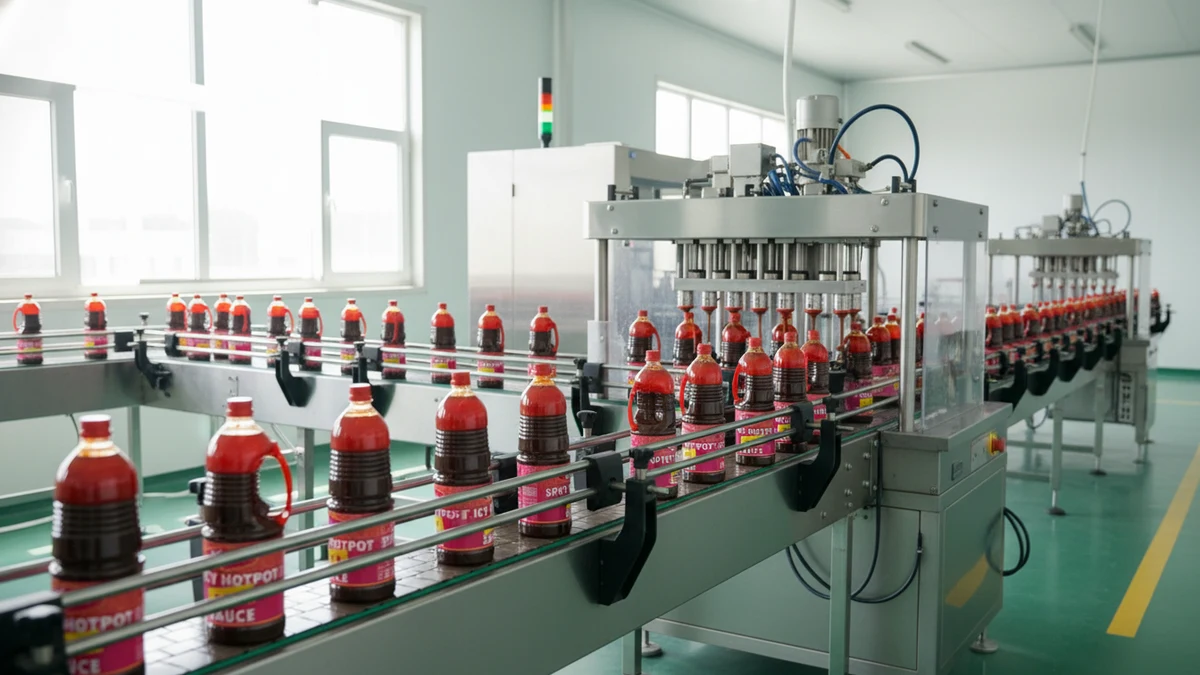
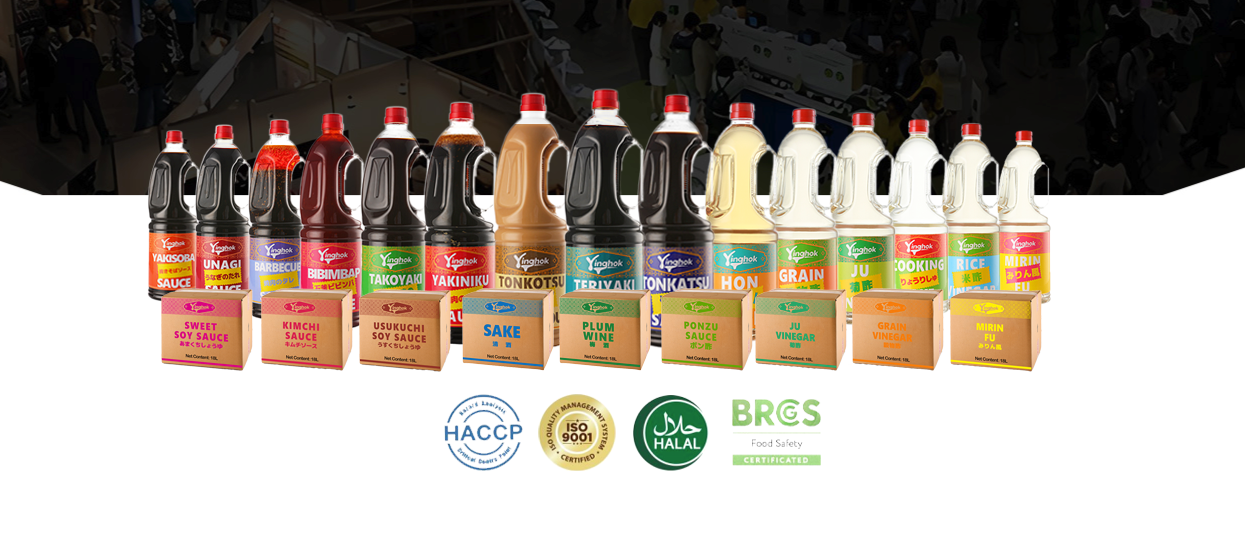
From the standpoint of stable supply, production systems and quality management certifications also serve as judgment criteria. Nakano Foods operates a production system with 5 production sites, annual output exceeding 200,000 tons, and 12 automated lines, and holds 6 certifications: HACCP, ISO 9001, ISO 22000, BRCGS, FDA, and HALAL. From the perspective of quality traceability that foodservice chains and trading companies prioritize, such a system becomes one of the selection criteria.
Chapter 4: For Foodservice Companies and Food Trading Companies
For companies that have not yet adopted it, launching a standalone mala tang format is not necessarily the optimal solution. Considering investment scale and operational burden, partial integration into existing formats is often the lower-risk choice.
What foodservice companies must grasp is the importance of spice-level design. To accommodate Japan's broad customer base, a design that can stably reproduce multiple levels of spiciness is essential. At the same time, because the ingredient-selection system tends to complicate operations, simplifying the service flow and managing costs determine success or failure. Securing a supply system that stabilizes both the soup's flavor and its cost is a prerequisite for continuous offering.
For food trading companies and distributors, it is important to view mala tang not as a "single-item fad product," but to capture demand including related products. If you can comprehensively propose soups, seasonings, frozen ingredients, noodles, and toppings, horizontal expansion into regional foodservice also comes into view.
Manufacturers that have observed the Asian soup market over the long term hold multiple categories, including hot pot soups, fermented seasonings, and liquid seasonings. In the growth phase of the mala market, this breadth of development becomes the foundation for achieving both "Japan-oriented adjustment" and "stable supply."
Summary: How to Approach the Mala Tang Trend
The growth of mala tang in the Japanese market is a structural shift driven by the convergence of customization culture, health consciousness, and the acceptance of Asian food trends. Solo dining, lunch suitability, and easy price-point adjustment fit Japanese foodservice and are heading toward lasting establishment.
Going forward, however, differentiation on authenticity alone will no longer be possible, and competition will shift toward flavor tuning, health appeals, and soup quality. It is realistic for foodservice companies to be mindful of partial integration into existing formats and spice design, and for trading companies to focus on comprehensive proposals including related products. In partner selection, the key is to identify a partner equipped with Japan-oriented adjustment capabilities and a stable supply system.
For product development and commercial proposals involving mala-style soups, hot pot soups, and Asian seasonings, we recommend starting your evaluation with a sample request.
Request a free sample
Try our products with a free sample. Feel free to get in touch.
Request a sampleRelated Articles
 Trend
TrendFoodservice Soup Base OEM for Mala Tang | Japanese Market Demand and Implementation Guide
An OEM-focused guide to foodservice soup bases for mala tang, covering the rising demand in the Japanese market, the operational challenges restaurants face, and key criteria for selecting a manufacturer. Learn how to ensure consistent flavor supply and support multi-location expansion.
 Guide
GuideNew Plant Boosts Reach from 50 to 100 Countries | Asian Seasoning OEM
A guide to Asian seasoning OEM/PB supply capabilities. Learn how Nakano Foods aims to expand from 50+ to 100 countries through its new plant—covering production capacity, certifications, and multinational flavor expertise for trading companies and product developers.
 Guide
GuideHow to Choose a Mala Tang Soup OEM Partner | Authentic Flavor Proven at Trade Shows
A guide for procurement managers seeking an OEM partner for mala tang soup, covering selection criteria and how to assess authentic flavor. Includes the supply capacity and certifications of an Asian seasoning manufacturer that earned high marks in trade show tastings.