A Guide to Using Seasoning OEM to Replicate Your Flavor in Overseas Locations
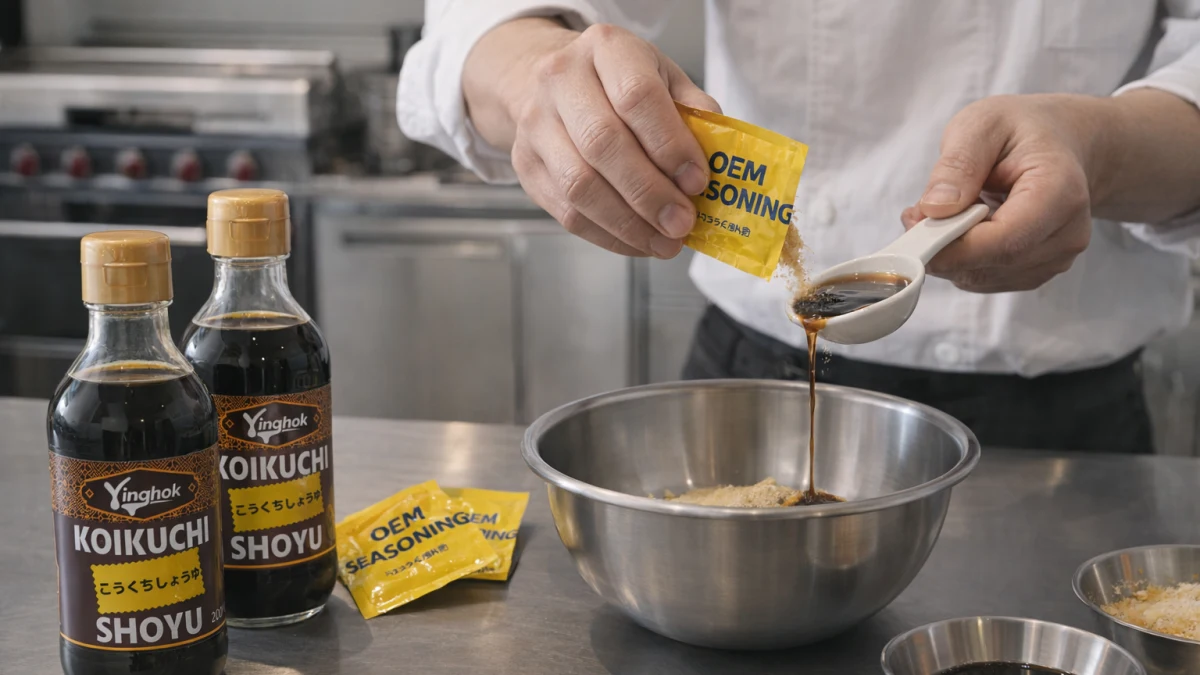
A Guide to Using Seasoning OEM to Replicate Your Flavor in Overseas Locations
When a Japanese-originated F&B chain expands overseas, one of the biggest hurdles is the challenge of "whether the same flavor as the Japanese stores can be replicated." The same ingredients are not available locally, the water quality is different, the proficiency of cooking staff varies—these factors cause flavor to drift, and there are many cases where brand consistency is undermined. This article explains how to leverage seasoning OEM/ODM as a means to achieve flavor standardization, along with practical points for selecting a partner. The content is useful for procurement managers at F&B chains and food manufacturers considering overseas expansion.
Three Structural Factors That Cause Flavor Drift in Overseas Locations
Behind the inability to replicate the same flavor as in Japan overseas lie structural factors that impede reproducibility. First, ingredients. Even soy sauce, miso, or spices with the same name will differ in flavor if the production region or specification differs. Replicating Japan's procurement routes overseas exactly is not easy.
Next, water quality and climate. The flavor of soups and broths varies greatly depending on the hardness of the water used in preparation. Temperature and humidity also affect the behavior of fermented seasonings. Finally, the human factor. Variations in the cooking proficiency and measurement accuracy of local staff lead to flavor differences between stores.
All three of these factors grow larger "the more complex the on-site cooking process becomes." Conversely, if the core of the flavor is completed at the factory and the in-store process is simplified, the drift can be substantially reduced. This is where the value of using seasoning OEM/ODM lies.
How Seasoning OEM/ODM Achieves Flavor Standardization
Seasoning OEM/ODM is a method of outsourcing everything from flavor design to manufacturing and packaging to a specialized manufacturer. In replicating flavor for overseas expansion, the basic strategy is to replace the process of cooking from scratch at each store with a process that uses finished base seasonings.
Consolidation into Base Seasonings
The parts that determine the backbone of the flavor—ramen soup, hotpot soup, various sauces, and dressings—are produced centrally in forms such as 1.8L PET containers, gallon cans, and large commercial bags. Because stores in each country use bases from the same lot, they are less affected by ingredient variations or measurement errors. You can also select and adjust a formulation close to your own flavor from over 30 flavor variations.
Recipe Replication Development Through ODM
The role of ODM is to take an existing store recipe and translate it into a formulation that can be industrially produced. It begins with small-scale trial production and refines the flavor through repeated sensory evaluation. With a manufacturer capable of handling small-lot trial production, you can confirm the direction of the flavor before full-scale mass production.
Key Points for Selecting an OEM Manufacturer for Overseas Expansion
Beyond flavor replication, the supply system that supports overseas multi-store expansion is also an important axis in partner selection. Here are the perspectives to verify.
First, production capacity and stable supply. Verify whether supply volume can be expanded in line with the increase in the number of stores, and whether risk can be distributed across multiple production sites. Dependence on a single factory increases the risk of supply disruption.
Next, certifications. To meet customs clearance in destination countries and local transaction standards, international food safety certifications are indispensable. In particular, FDA for North America and the presence of HALAL for Muslim markets can determine whether a store opening is feasible.
Packaging format is also important in practice. The 1.8L PET container is easy to handle as a standard for F&B chains, while gallon cans and 20kg/50kg large commercial bags are suited to high-volume stores. Verify whether you can choose containers that match your store operations.
Certifications and Production Systems Support Overseas Expansion
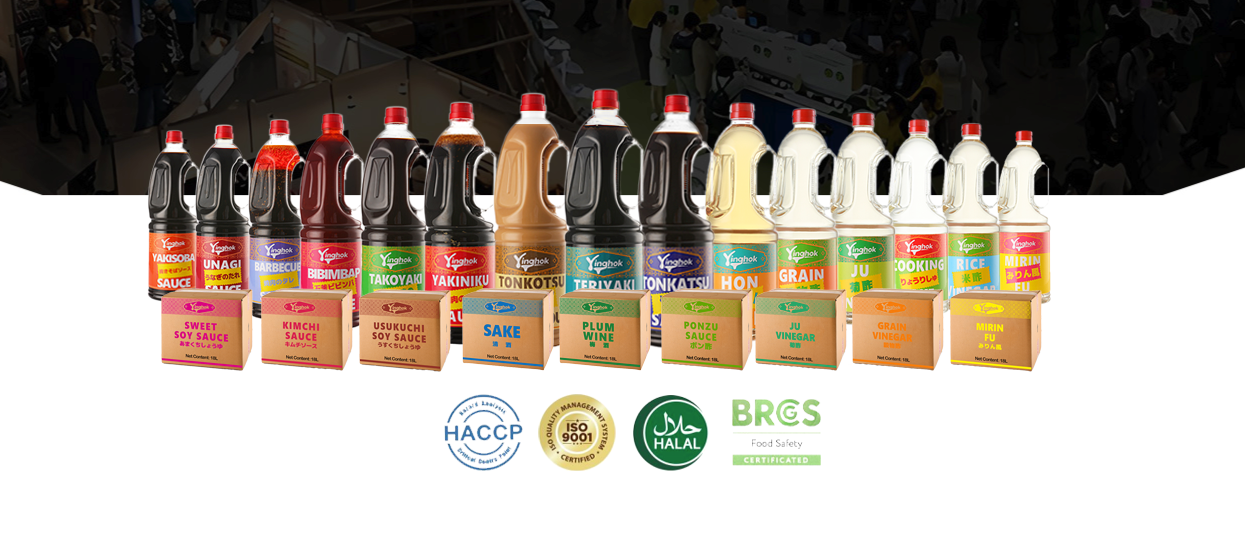
For overseas store openings, in addition to flavor replication, "quality assurance that enables local transactions and customs clearance" is a prerequisite. A manufacturer equipped with a full set of international certifications such as HACCP, ISO 9001, ISO 22000, BRCGS, FDA, and HALAL can serve multiple export destinations with a single supplier, enabling consolidation of procurement.
In particular, HALAL certification is effective for serving Muslim customers among inbound visitors to Japan, as well as when opening stores in Southeast Asia and the Middle East. The issuing bodies are BPJPH in Indonesia and JAKIM in Malaysia, which help ensure credibility in local markets.
Having multiple production sites also contributes to risk distribution. In addition to the first factory in Foshan City, Guangdong Province, Dalian houses Phase 1 and Phase 2 factories and a rice vinegar/liquid seasoning factory (planned for 2026), while Shenzhen has a specialized fermented food site. A multi-site system mitigates supply risk in specific regions.
Conclusion: Flavor Standardization Begins with Seasoning Design
The key to replicating the same flavor as in Japan at overseas locations lies in standardizing the core seasonings through OEM/ODM and simplifying the on-site cooking process. This minimizes the three drift factors of ingredient variation, water quality, and cooking skill. When selecting a partner, it is important to verify the status of 6 certifications (HACCP, ISO 9001, ISO 22000, BRCGS, FDA, HALAL), production capacity, minimum lot, packaging, and multilingual support.
The realistic approach to determining how faithfully your store recipe can be replicated in industrial production is to first verify it through small-lot trial production. If you want to give concrete shape to the flavor development for your overseas expansion, start by requesting a sample.
Request a free sample
Try our products with a free sample. Feel free to get in touch.
Request a sampleRelated Articles
 Guide
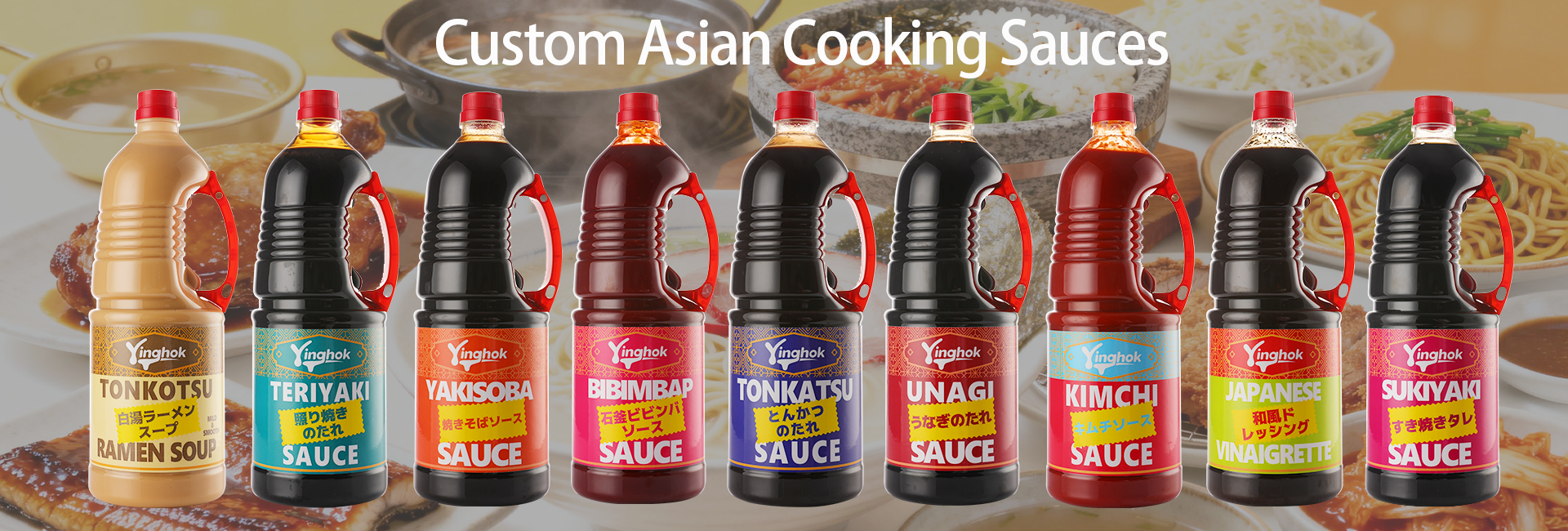
GuideCompound Seasoning OEM/Private Label: Bringing Your Own-Brand Seasonings to the World
A guide to developing compound seasonings via OEM/private label. Covers integrated production of sauces, tare, and soup bases, HALAL compliance, Japan-quality export capabilities, and key points from small-batch prototyping to mass production—written for B2B procurement professionals.
 Guide
GuideNew Plant Boosts Reach from 50 to 100 Countries | Asian Seasoning OEM
A guide to Asian seasoning OEM/PB supply capabilities. Learn how Nakano Foods aims to expand from 50+ to 100 countries through its new plant—covering production capacity, certifications, and multinational flavor expertise for trading companies and product developers.
 Guide
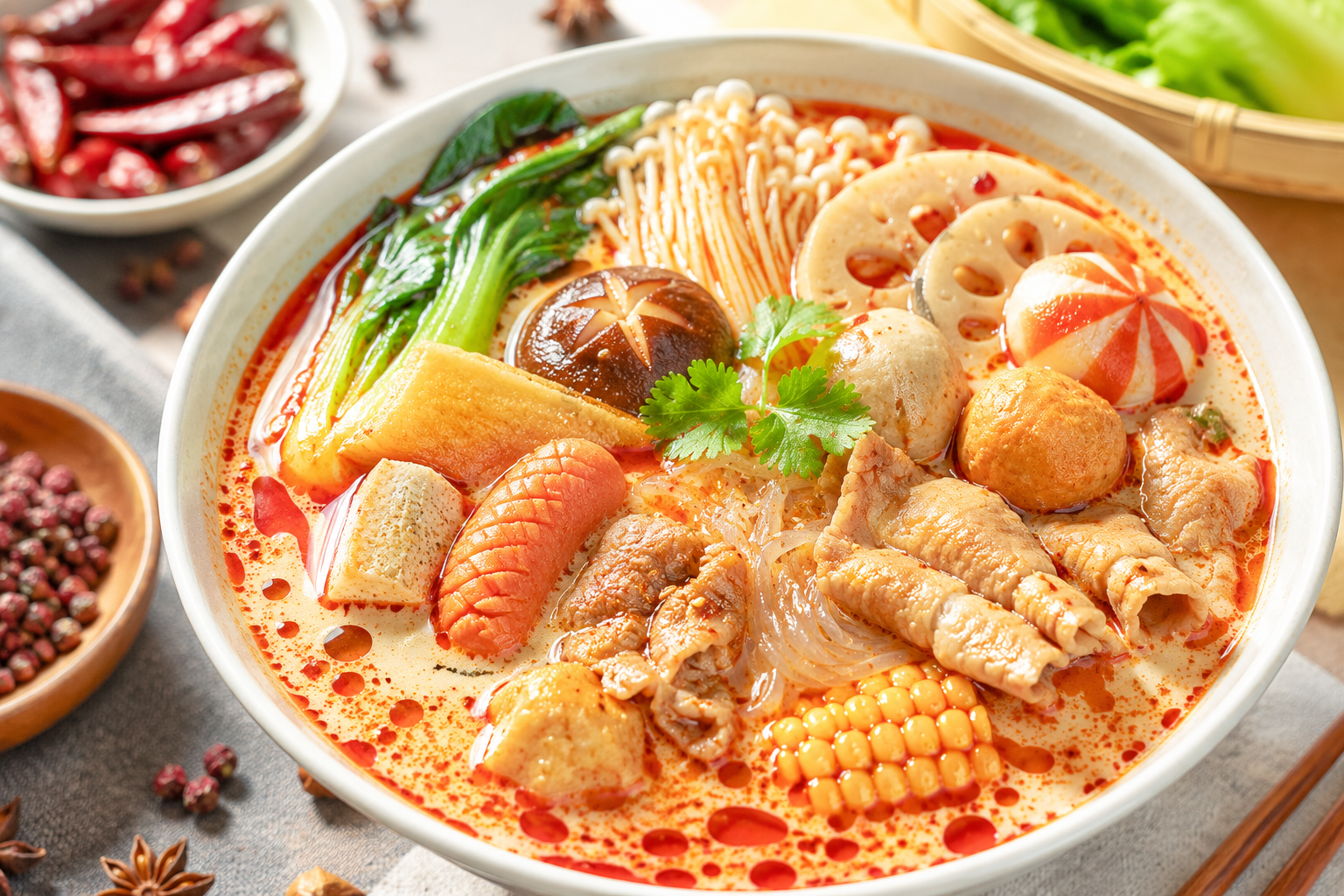
GuideStandardizing Flavor and Soup Base OEM: The Key to Private Labeling Mala Tang
The biggest hurdle in creating your own mala tang (spicy hot soup) product is flavor standardization. The key to reproducing a popular restaurant's taste at scale lies in the soup base. This article explains the essentials of OEM, private label, and retort-pouch production.