How to Choose a Mala Tang Soup OEM Partner | Authentic Flavor Proven at Trade Shows
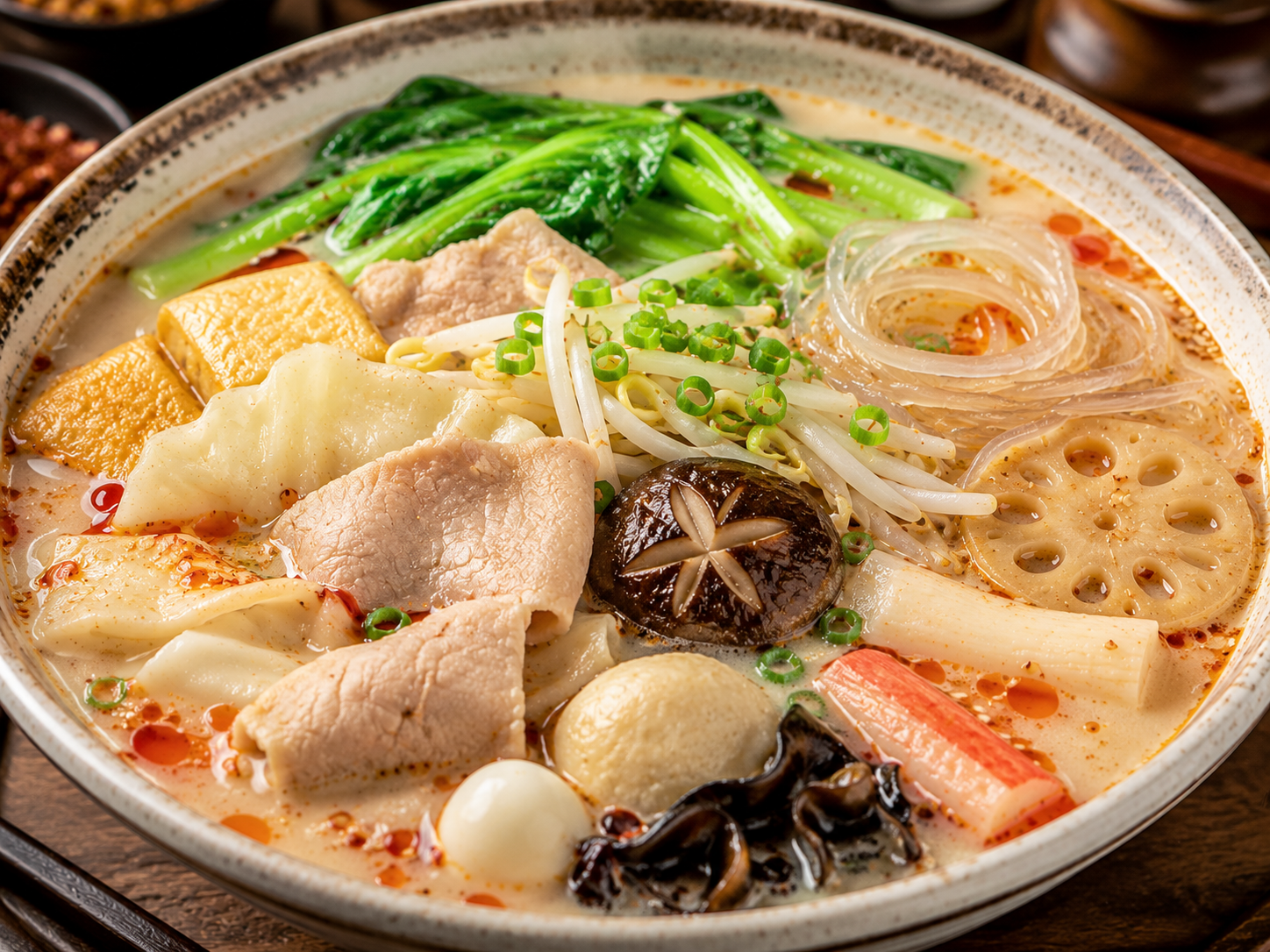
How to Choose a Mala Tang Soup OEM Partner | Authentic Flavor Proven at Trade Shows
Mala tang has seen rapidly growing demand in recent years among Japanese Chinese-cuisine foodservice chains and private label products. With specialty stores opening one after another, more food manufacturers and trading companies are looking to develop their own authentic mala tang soup.
However, reproducing the balance of numbing spice and heat, along with the multi-layered flavor woven from various spices, in a mass-produced product is no easy task. This article provides practical criteria for selecting a mala tang soup OEM partner, explained concretely from the perspective of an Asian seasoning manufacturer.
Mala Tang Soup OEM Fundamentals and Market Background
Mala tang is a soup dish built around "ma" (the numbing sensation from Sichuan pepper, or huajiao) and "la" (the heat from chili peppers), layered with numerous spices and fermented seasonings. Its style of selecting ingredients to simmer has been embraced by Japanese consumers and is becoming established as a dedicated category.
Commercializing this authentic flavor requires not only knowledge of spice blending but also stable raw material sourcing and consistent quality at mass-production scale. Even a flavor that can be reproduced by hand requires industrial expertise to deliver the exact same taste in every commercial batch.
For this reason, an increasing number of food manufacturers are choosing to outsource to OEM/ODM partners specializing in Asian seasonings rather than developing products from scratch in-house. Outsourcing everything from formulation development to packaging allows companies to compress both development costs and launch timelines.
Three Criteria for Selecting a Mala Tang Soup OEM Partner
Selecting an OEM partner should be based on clear criteria rather than intuition. Here we explain three criteria specific to mala tang soup.
1. Ability to Reproduce Asian Flavor and Blending Expertise
The most important factor is whether the partner can reproduce authentic Asian flavor in a mass-produced product. Because mala tang involves many elements such as Sichuan pepper, chili peppers, beef tallow, and fermented seasonings, quality is determined by overall harmony rather than the intensity of any single spice.
Manufacturers specializing in Chinese, Korean, and Southeast Asian flavors can adjust heat and numbing intensity for the Japanese market based on a deep understanding of local tastes. A development framework that handles more than 30 varieties of ramen soup and hot pot soup makes it easier to accommodate the nuanced requirements of mala tang.
2. A Framework for Stable Large-Volume Supply
For private label or foodservice rollouts, supply capacity that can keep pace with growing demand is a prerequisite. Confirm the number of production sites, annual capacity, and the scale of automated lines.
For example, Nakano Foods operates 5 production sites centered on Foshan and Dalian, with a framework featuring an annual capacity of over 200,000 tons and 12 automated lines. In addition to its second-phase Dalian plant (30,000 m²) that began operations in 2023, a rice vinegar and liquid seasoning plant is scheduled to come online in 2026.
3. Flexibility in Packaging Formats and Minimum Order Quantity
Packaging options suited to the intended use are also a key selection point. Confirm whether you can choose formats appropriate to your business model, such as 1.8L PET containers for foodservice chains, gallon cans, and 20 kg or 50 kg commercial bulk bags.
In the early stages of a private label launch, the realistic flow is to finalize the flavor through small-lot trial production before transitioning to mass production. Confirming the availability of trial production in advance will make development proceed smoothly.
Mala Tang Soup Flavor Proven Through Trade Show Tastings
Specifications and certifications alone cannot determine the ultimate quality of the flavor. That is precisely why actual sensory evaluation becomes the decisive factor in selection.
On June 24, 2024, at a food industry trade show held at Tokyo Big Sight, Nakano Foods offered tastings of its mala tang soup. Procurement managers and buyers who attended provided extensive feedback on its flavor.
One visitor remarked, "This is my favorite mala tang flavor I've ever tasted." The balance of numbing Sichuan pepper and heat, along with the depth of the soup, was received as having a level of refinement on par with specialty stores.
Following the tastings, multiple companies submitted concrete inquiries about using the product for foodservice applications, leading to business discussions. Beyond specification-level supply capacity, the fact that the actual flavor earned high marks in the market is an important consideration when selecting an OEM partner.
Summary: Choose a Partner on Both Flavor and Supply Capacity
When outsourcing mala tang soup via OEM, it is essential to compare partners across three criteria—the ability to reproduce authentic flavor, stable large-volume supply, and a certification framework—and to make the final decision through tastings of actual samples. Only when both specifications and sensory evaluation are in place can you minimize the risk of a private label or foodservice rollout.
As the high praise at the trade show demonstrates, the refinement of the flavor is backed by actual market evaluation. Food manufacturers, trading companies, and foodservice chains considering the development or procurement of mala tang soup are advised to start by confirming the flavor through samples.
Because a framework is in place to handle everything from small-lot trial production to large-volume mass production, please feel free to consult with us, including on fine-tuning the formulation and selecting packaging formats.
Request a free sample
Try our products with a free sample. Feel free to get in touch.
Request a sampleRelated Articles
 Guide
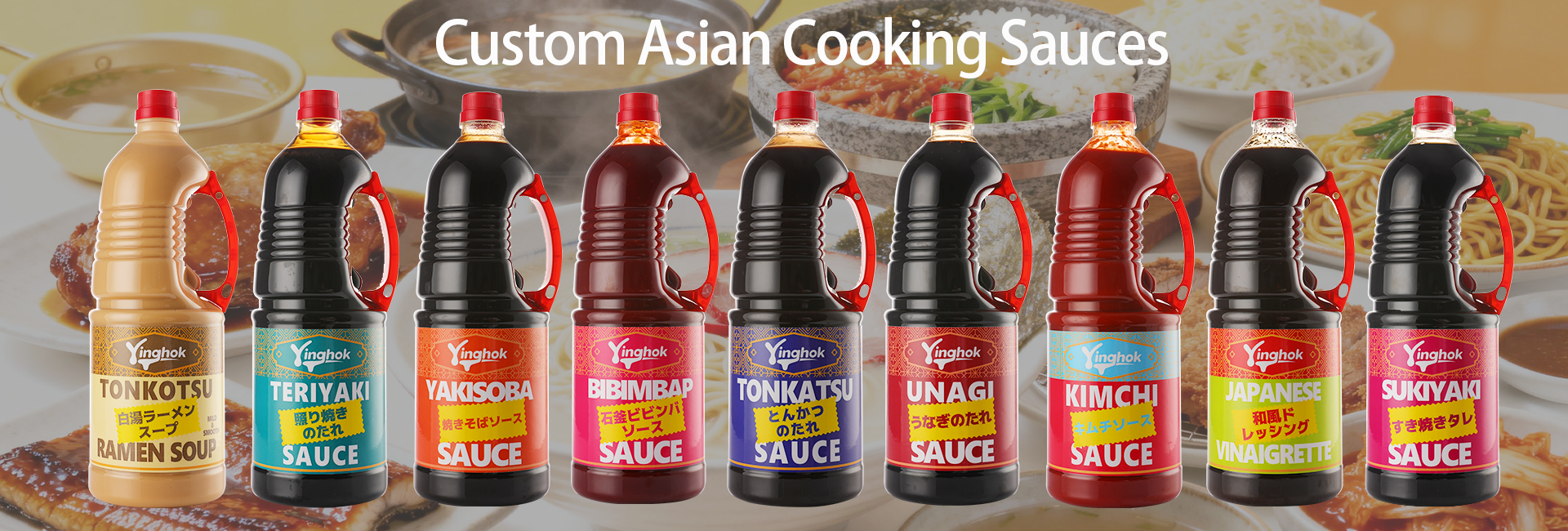
GuideCompound Seasoning OEM/Private Label: Bringing Your Own-Brand Seasonings to the World
A guide to developing compound seasonings via OEM/private label. Covers integrated production of sauces, tare, and soup bases, HALAL compliance, Japan-quality export capabilities, and key points from small-batch prototyping to mass production—written for B2B procurement professionals.
 Guide
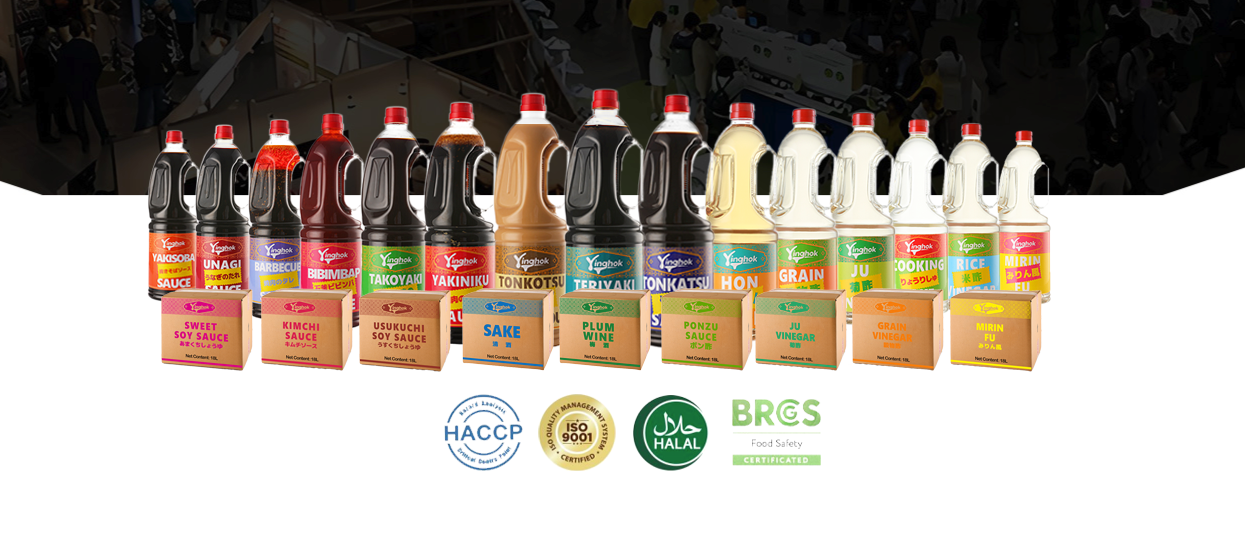
GuideNew Plant Boosts Reach from 50 to 100 Countries | Asian Seasoning OEM
A guide to Asian seasoning OEM/PB supply capabilities. Learn how Nakano Foods aims to expand from 50+ to 100 countries through its new plant—covering production capacity, certifications, and multinational flavor expertise for trading companies and product developers.
 Guide
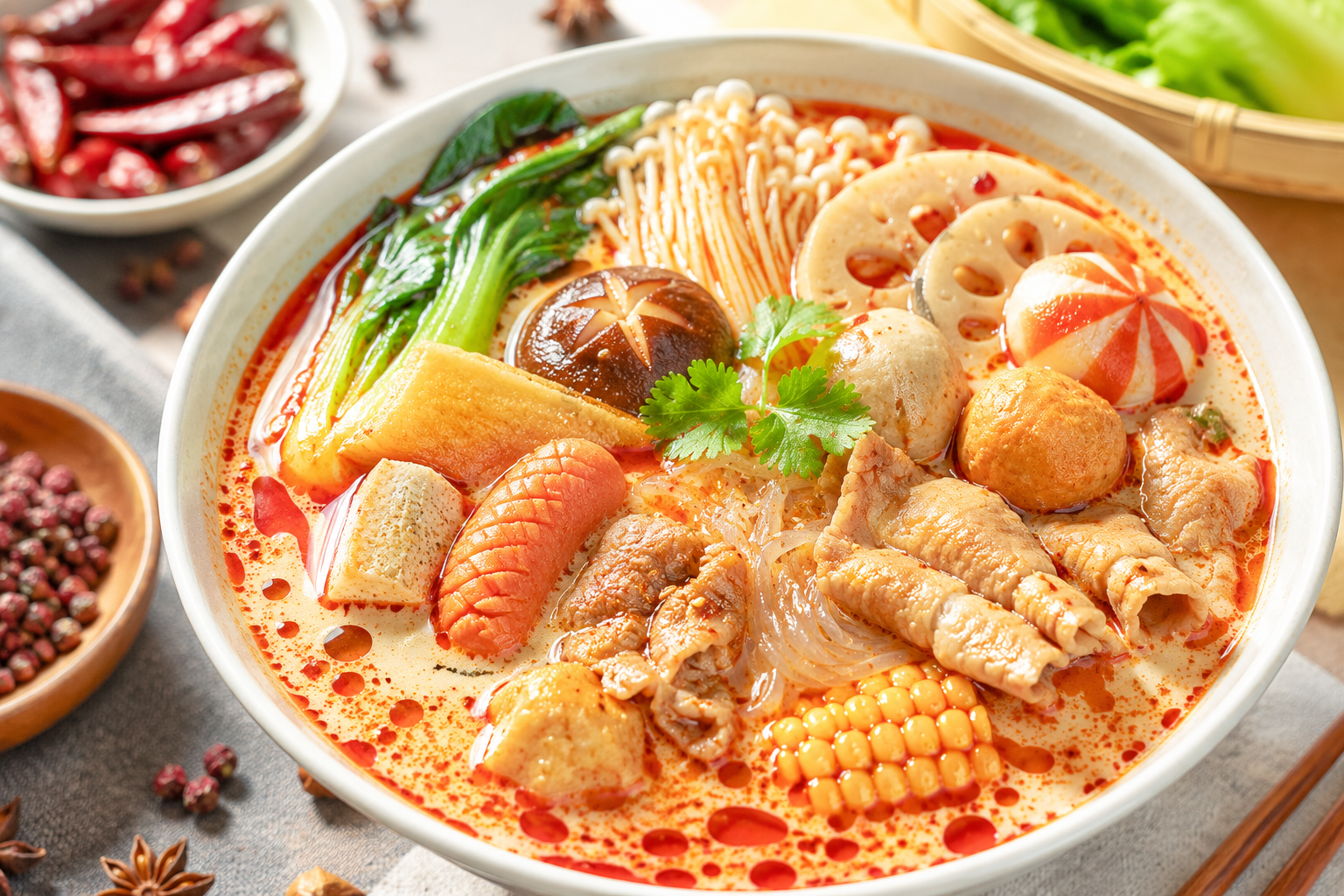
GuideStandardizing Flavor and Soup Base OEM: The Key to Private Labeling Mala Tang
The biggest hurdle in creating your own mala tang (spicy hot soup) product is flavor standardization. The key to reproducing a popular restaurant's taste at scale lies in the soup base. This article explains the essentials of OEM, private label, and retort-pouch production.