Foodservice Soup Base OEM for Mala Tang | Japanese Market Demand and Implementation Guide
Foodservice Soup Base OEM for Mala Tang | Rising Demand and Implementation in the Japanese Market
A growing number of restaurants in the Japanese market are adding "mala tang" to their menus. The build-your-own style—selecting ingredients and simmering them in soup—pairs well with the efficiency gains of a foodservice soup base OEM for mala tang, and inquiries from foodservice chains and prepared-meal (chuushoku) manufacturers are on the rise. At the same time, balancing heat and spices and preventing flavor variation across locations requires specialized expertise. This article takes an industry perspective to organize everything from the demand drivers behind mala tang to implementation practices and key criteria for selecting an OEM partner.
Chapter 1: Why Mala Tang Is Expanding in the Japanese Market
The growth of mala tang in the Japanese market stems from several overlapping social trends. Understanding this backdrop makes it easier to assess whether adding the menu item makes sense.
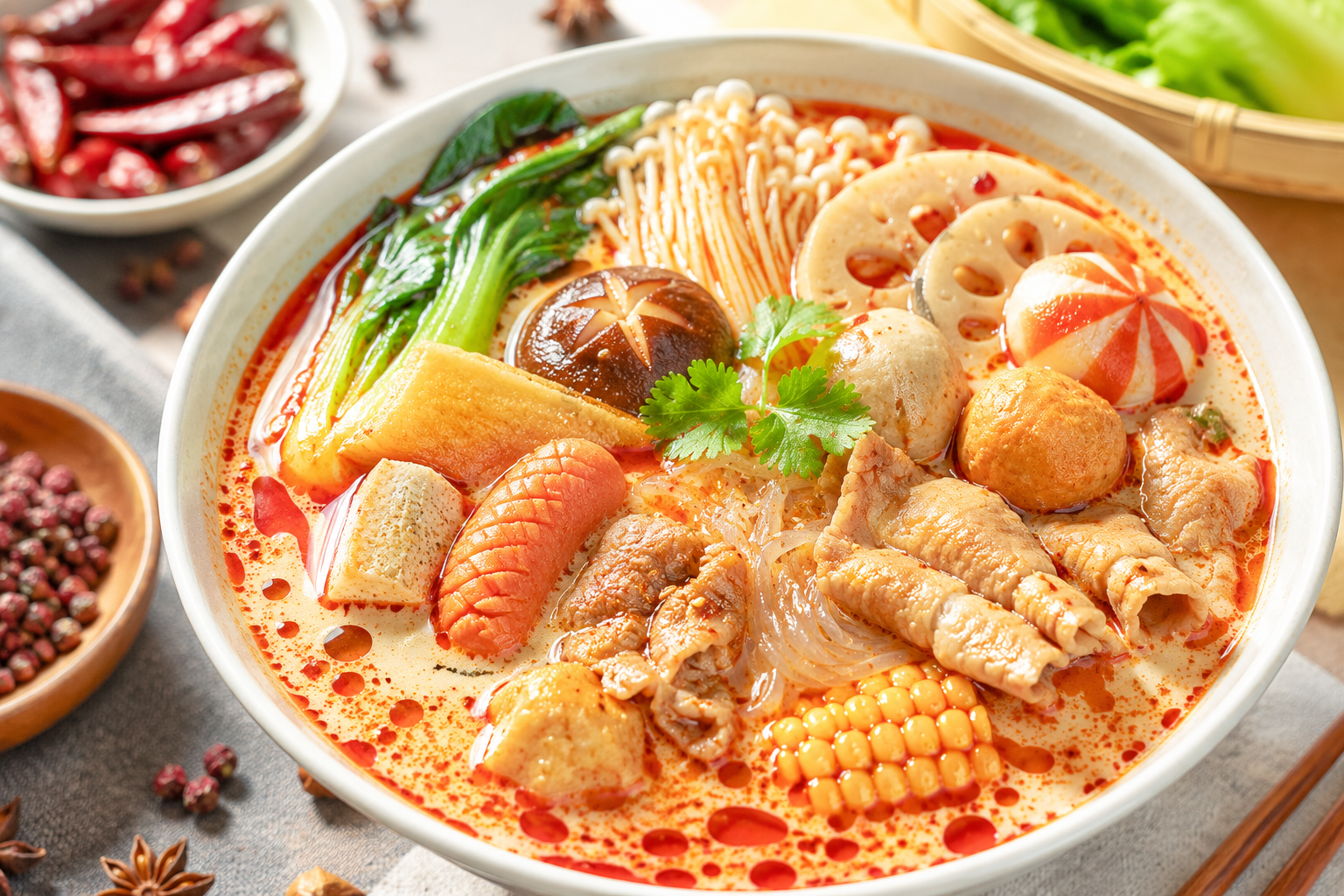
First, there is the rising demand for spicy dishes. The mala flavor profile—combining "ma" (numbing) and "la" (heat)—is steadily taking hold, especially among younger consumers. Second, there is the amplifying effect of social media. Boldly colored soups and freely customizable toppings are highly photogenic, making them a strong driver of restaurant visits.
Third, there is the alignment with health-conscious trends. A format that lets customers choose vegetables, mushrooms, glass noodles, and more delivers both customization and a healthy image. As an appeal distinct from fried-food-centric formats, it is drawing attention across both foodservice and prepared-meal segments.
To avoid missing out on this demand, a stable flavor supply system is essential. Relying on individual-dependent prep work raises the risk of quality inconsistency as the business expands to more locations.
Chapter 2: Three Challenges When Adding Mala Tang to the Menu
In the field of mala tang restaurant implementation, common challenges emerge. Understanding them in advance helps you avoid launch failures.
Flavor Consistency
The taste of mala tang is determined by the balance of Sichuan pepper, chili, aromatic oils, and dashi. Manual blending tends to vary by staff member or batch, making it difficult to maintain the flavor repeat customers expect. For multi-location rollouts in particular, a quality standard common to all stores is required.
Operational Complexity
Blending spices from scratch strains both prep time and labor costs. Because it depends on staff proficiency, operations tend to become unstable in a tight hiring environment. Securing consistent serving speed is also critical for chain formats.
Cost Control and Waste Risk
With so many types of spices, inventory management becomes cumbersome. Errors in estimating usage and waste from quality deterioration drive up costs. Standardizing the soup base with a foodservice product makes cost forecasting far easier.
Chapter 3: Leveraging a Foodservice Soup Base OEM and Selection Criteria
A powerful option for solving the challenges above is adopting a foodservice soup base and outsourcing to an OEM. The recent rise in inquiries to hot pot soup OEM manufacturers reflects this very backdrop.
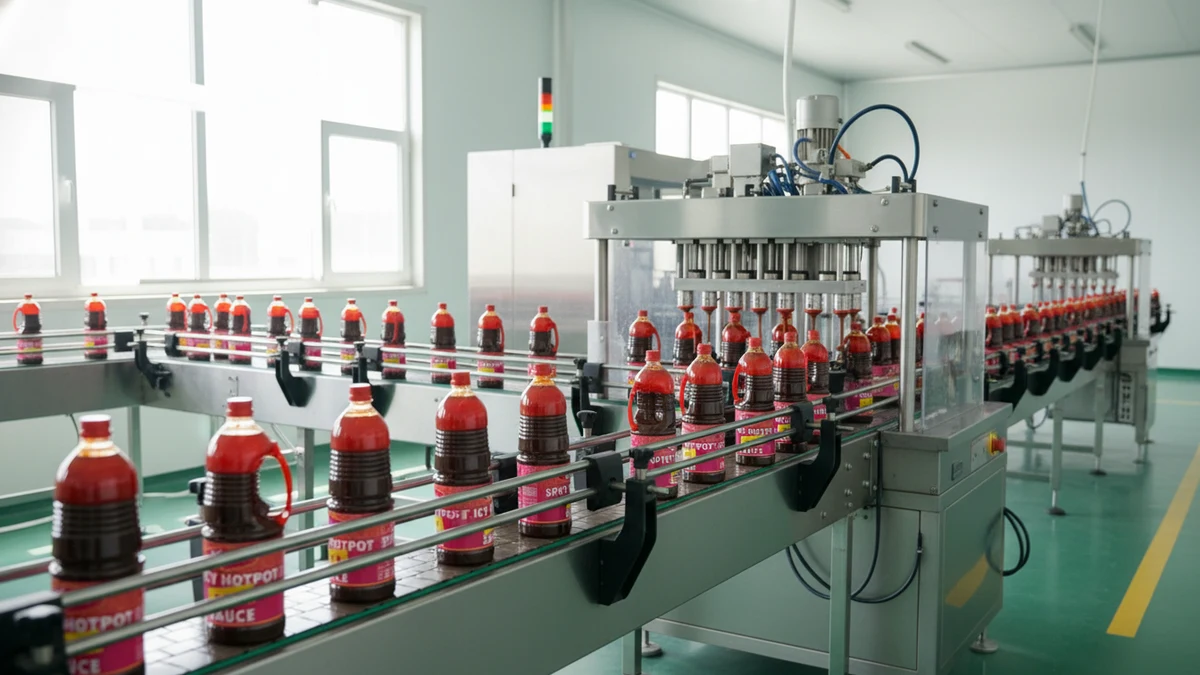
Adopting a foodservice soup base lets you standardize the flavor-defining base at the factory. Stores can then focus on dilution, heating, and toppings, building operations that are far less dependent on staff proficiency. Shorter prep times benefit both labor costs and food loss.
That said, the capabilities of OEM partners vary widely, so clearly defining your selection criteria is essential. The following dimensions make for a useful comparison.
- Flavor stability: batch-to-batch consistency through automated lines
- Small- to large-lot capability: scalable support from prototyping to multi-location rollout
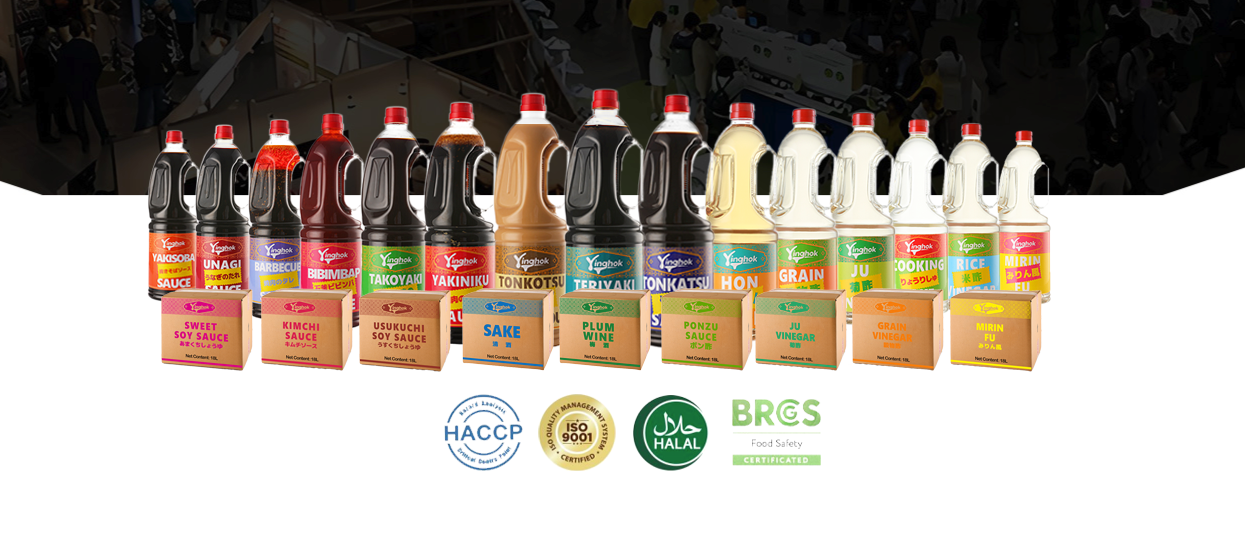
- Food safety certifications: quality assurance backed by third-party certification
- Experience with Japanese-market specifications: the ability to fine-tune the balance of heat and spices
- Strength in proposing complementary products: one-stop consultation for hot pot soups, ramen soups, various sauces, and more
Certifications provide objective evidence of a quality management system. Manufacturers with export track records also tend to have accumulated know-how in traceability and labeling compliance.
Chapter 4: A Production System Supporting Stable Supply and Scalability
When rolling out mala tang in earnest, supply stability is a prerequisite for business continuity. Stockouts during peak demand lead directly to lost opportunities.
Nakano Foods, which operates the YINGHOK brand, was founded in 2009 in Foshan, Guangdong Province, China, and today runs 5 production sites centered on Foshan and Dalian. With 12 automated lines and an annual production capacity exceeding 200,000 tons, it provides seamless support from small-lot prototyping to large-lot stable supply.
Its supply track record spans 50+ countries and 10,000+ companies, shipping to foodservice markets in Japan, North America, Europe, and Southeast Asia. The flavor-development expertise cultivated through supplying overseas Japanese restaurants and Chinese chains can also be applied to designing spicy menu items like mala tang.
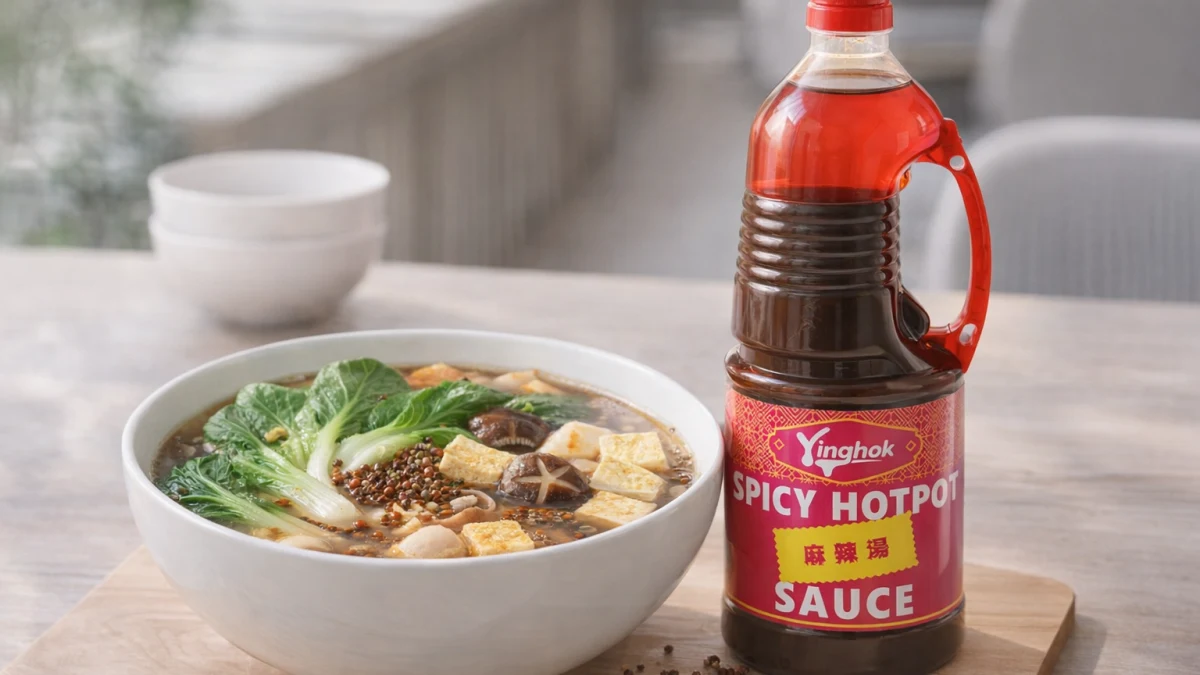
The product lineup spans eight categories, including ramen soups (30+ varieties), hot pot soups, various sauces, sushi seasonings, and fermented seasonings. For mala tang, starting from hot pot soups and liquid seasonings, the entire process—from formulation development to packaging—can be outsourced under OEM/ODM/PB arrangements. Packaging tailored to your format is also available, from 1.8 L PET bottles to large foodservice pouches.
Summary
Mala tang demand is expanding in the Japanese market, driven by the spice boom, social media buzz, and health-conscious trends. The key to successful implementation lies in how you solve the three challenges of flavor consistency, operations, and cost control. By leveraging a foodservice soup base OEM, you can flexibly scale—from small-scale launches to full chain expansion—while keeping flavor variation in check.
When selecting a partner, always verify food safety certifications, supply capacity, small-lot capability, and experience with Japanese-market specifications. Aligning on the flavor direction through prototype samples first is the surest way to avoid failure. When considering an OEM or foodservice supply of soup base for mala tang, start the conversation by requesting a sample.
Request a free sample
Try our products with a free sample. Feel free to get in touch.
Request a sampleRelated Articles
 Trend
TrendWhy Mala Tang Is Growing in the Japanese Market and the Future of Foodservice Trends
Is the growth of mala tang in the Japanese market a passing fad or a structural shift? This article explains the foodservice trends behind it, the differences from mala hot pot, future market changes, and key considerations for selecting commercial soup bases from a B2B perspective.
 Guide
GuideNew Plant Boosts Reach from 50 to 100 Countries | Asian Seasoning OEM
A guide to Asian seasoning OEM/PB supply capabilities. Learn how Nakano Foods aims to expand from 50+ to 100 countries through its new plant—covering production capacity, certifications, and multinational flavor expertise for trading companies and product developers.
 Guide
GuideStandardizing Flavor and Soup Base OEM: The Key to Private Labeling Mala Tang
The biggest hurdle in creating your own mala tang (spicy hot soup) product is flavor standardization. The key to reproducing a popular restaurant's taste at scale lies in the soup base. This article explains the essentials of OEM, private label, and retort-pouch production.