How a New Seasoning OEM Plant Transforms Supply Capacity and Mass Production Capabilities
How a New Seasoning OEM Plant Transforms Supply Capacity and Mass Production Capabilities
When selecting a seasoning OEM partner, two factors have become especially critical in recent years: "production capacity" and "supply stability." Amid fluctuating raw material prices and shifting logistics conditions, partners who can deliver both stable large-volume supply and rapid new product development are few and far between.
This article uses the launch of a new plant by Nakano Foods (Dalian) Co., Ltd.—the company behind YINGHOK—as an example to explain how strengthening production capabilities relates to the supply stability and development speed of OEM projects. Use it as a reference when selecting your OEM partner.
Why a New Plant Strengthens the Supply Capacity of Seasoning OEM
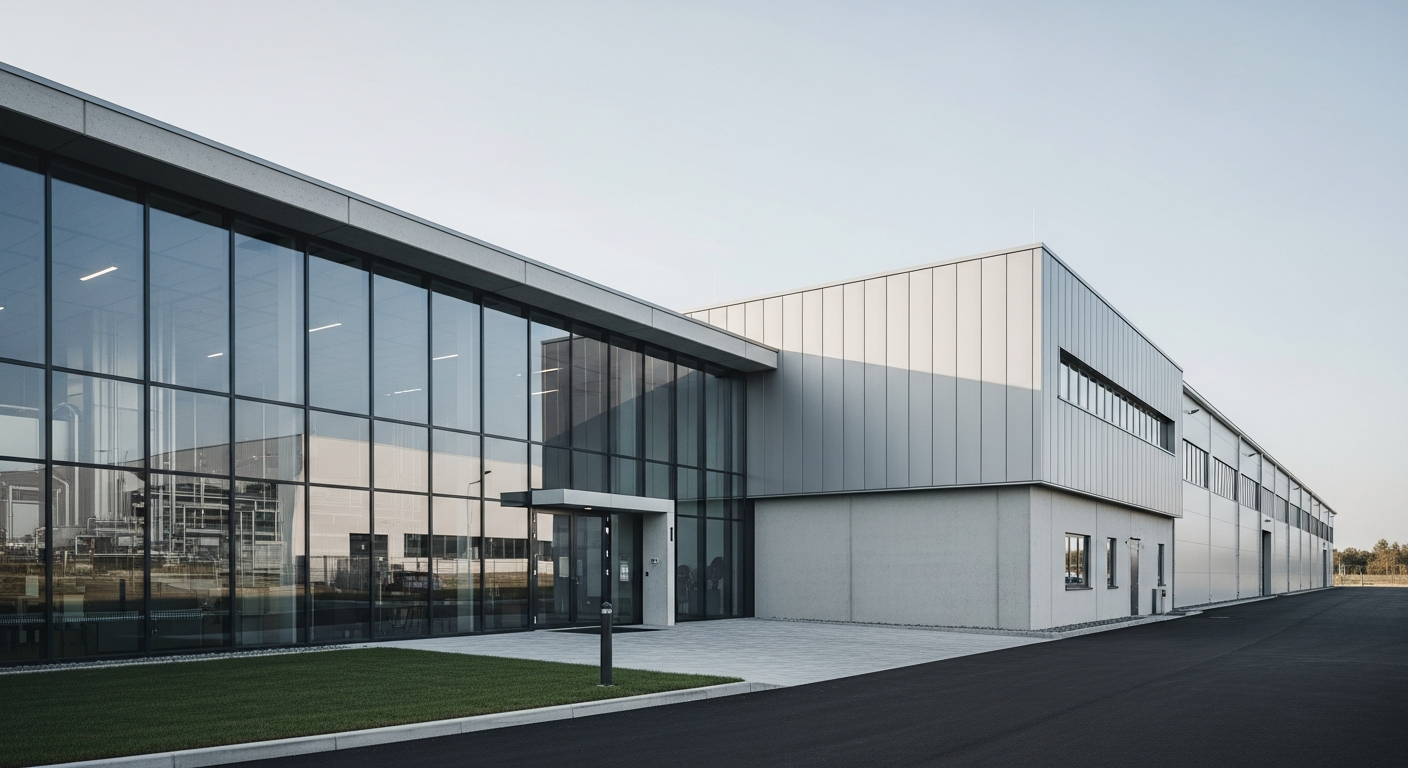
Nakano Foods plans to begin production at a new plant focused on rice vinegar and liquid seasonings on June 1, 2026. Built on a 20,000 m² site in Dalian, Liaoning Province, it will complement the company's existing production sites.
This new plant follows the Foshan plant (2009), the Dalian Phase 1 plant (2015, 20,000 m²), the Dalian Phase 2 plant (2023, 30,000 m²), and Kuoshen Biological Fermentation Products in Shenzhen. With this addition, the company will operate a total of 5 production sites.
Distributed production sites carry significant importance in OEM contracting. When production is concentrated at a single site, equipment failures or regional risks can directly halt supply. A multi-site structure is the foundation for risk diversification and stable supply.
How Fully Automated Production Lines Improve Mass Production Capability and Quality Consistency
The level of production line automation has a decisive impact on seasoning OEM quality. Nakano Foods operates 12 automated lines, managing every step from blending to filling and packaging in an integrated process.
Balancing Quality Reproducibility with Mass Production
The advantage of fully automated production lines is their ability to minimize lot-to-lot variation. By reducing labor-dependent steps, sensory qualities such as taste, viscosity, and color are kept more consistent.
In OEM development for commercial soups, the same flavor must be reproduced across all locations of a foodservice chain. Automated metering and mixing processes form the foundation that supports this "large-scale reproduction of identical quality."
Impact on Large-Volume Supply and Lead Times
Higher production capacity makes it easier to shorten lead times for large-volume projects. A capacity exceeding 200,000 tons per year provides a certain degree of headroom to handle peak-season production increases and the parallel processing of multiple projects.
The launch of the new plant adds liquid seasoning production capacity, expanding supply headroom for OEM projects such as rice vinegar and sauce-based products.
6 Key Criteria for Comparing OEM Partners
When comparing seasoning OEM partners, it is important to evaluate more than just price. The presence of a new plant and the level of automation are positioned as part of these considerations.
- Production Capacity: Annual production scale and capacity headroom. Can they handle large orders and peak seasons?
- Quality Management Systems: Certification status and the maturity of inspection processes.
- Automation Level: Number of lines and reproducibility of lot-to-lot quality.
- Prototyping Capability: The flow from small-lot prototyping to mass production transition.
- Certification Status: Whether export and client requirements are met.
- Overseas Supply Track Record: The scale of countries supplied and number of client relationships.
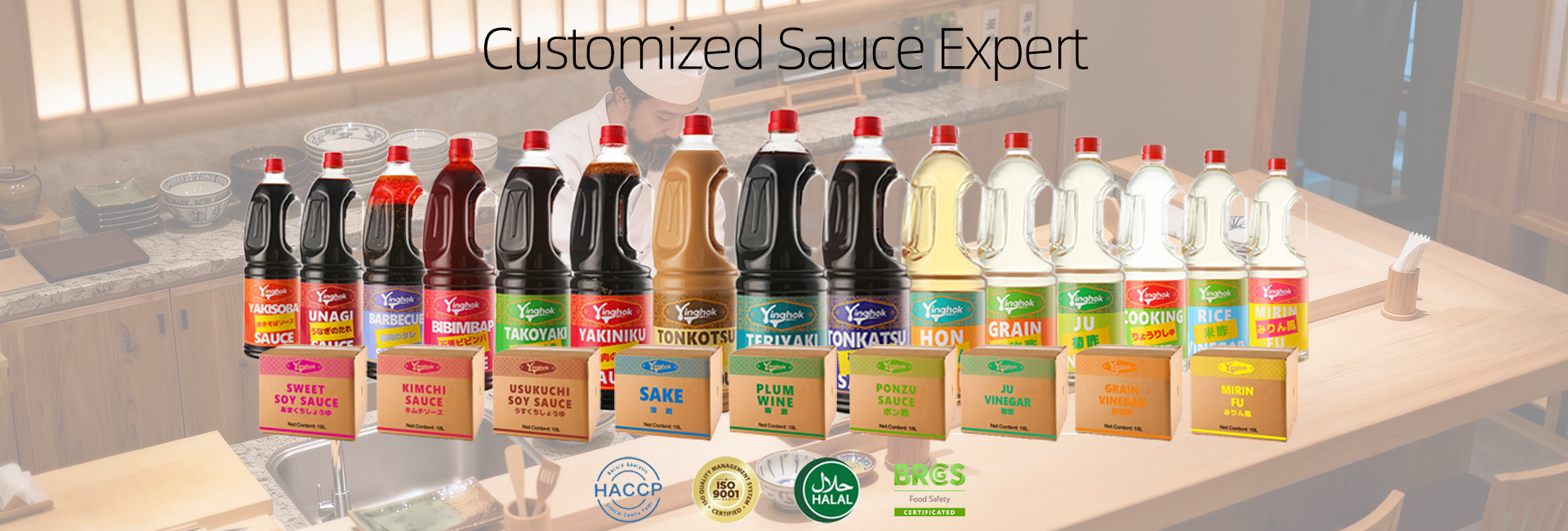
Nakano Foods holds 6 certifications: HACCP, ISO 9001, ISO 22000, BRC, FDA, and HALAL. HALAL compliance in particular serves as a key consideration for foodservice and food manufacturers looking to capture inbound tourism demand in Japan.
Development Flow from Small-Lot Prototyping to Mass Production
The speed of new product development depends largely on how smoothly the transition from prototyping to mass production proceeds. Nakano Foods supports small-lot prototyping and offers an ODM/Private Label structure that allows everything from formula development to packaging to be outsourced under a single contract.
The basic flow follows these steps: requirements consultation, formula design, small-lot prototyping, evaluation and adjustment, and mass production transition. A structure that completes everything from prototyping to mass production within the same site group helps minimize quality fluctuations during the transition.
On the packaging side, the company supports multiple specifications, including 1.8 L PET containers (standard for foodservice chains), gallon cans, and 20 kg and 50 kg bulk commercial bags. The ability to validate with the intended packaging from the prototyping stage also helps prevent issues after mass production begins.
Expanding OEM Options Through Integration with 8 Existing Categories
The new plant's liquid seasoning production expands the scope of proposals by integrating with existing product categories. Nakano Foods covers 8 categories: ramen soup (30+ flavors), hot pot soup, various sauces, sushi seasonings, snack seasonings, dressings and tare sauces, fermented alcoholic beverages, and fermented seasonings.
For example, the company supplies hot pot soup in large lots to Chinese foodservice chains and offers sushi seasonings to Japanese restaurants overseas. The expertise to authentically reproduce Chinese, Korean, and Southeast Asian flavors across Asia underpins these categories.
The rice vinegar and liquid seasonings strengthened by the new plant support proposals combining tare sauces, dressings, and fermented seasonings. Being able to outsource multiple categories to a single company also helps reduce the burden of supplier management.
Conclusion: Use the New Plant Launch as a Criterion for Selecting Your OEM Partner
When selecting a seasoning OEM partner, it is important to comprehensively evaluate six factors: production capacity, quality management, automation level, prototyping capability, certifications, and overseas track record. The launch of a new plant and a multi-site structure serve as concrete indicators for measuring supply stability and mass production capability.
With the new plant launching on June 1, 2026, Nakano Foods will further expand its liquid seasoning production headroom. From small-lot prototyping to large-volume mass production, the company can offer proposals integrated with its 8 existing categories.
If you are considering the post-launch production structure of the new plant, or OEM for your own brand of seasonings or commercial soups, please feel free to reach out through a sample request or inquiry.
Request a free sample
Try our products with a free sample. Feel free to get in touch.
Request a sampleRelated Articles
 News
NewsNakano Foods Now Listed on Shokuhin-OEM.jp | Seasoning OEM Inquiries Open
For food companies seeking a seasoning OEM partner, this article explains Nakano Foods (Dalian) Co., Ltd.'s new listing on Shokuhin-OEM.jp—covering supported products, certifications, and how to request samples.
 News
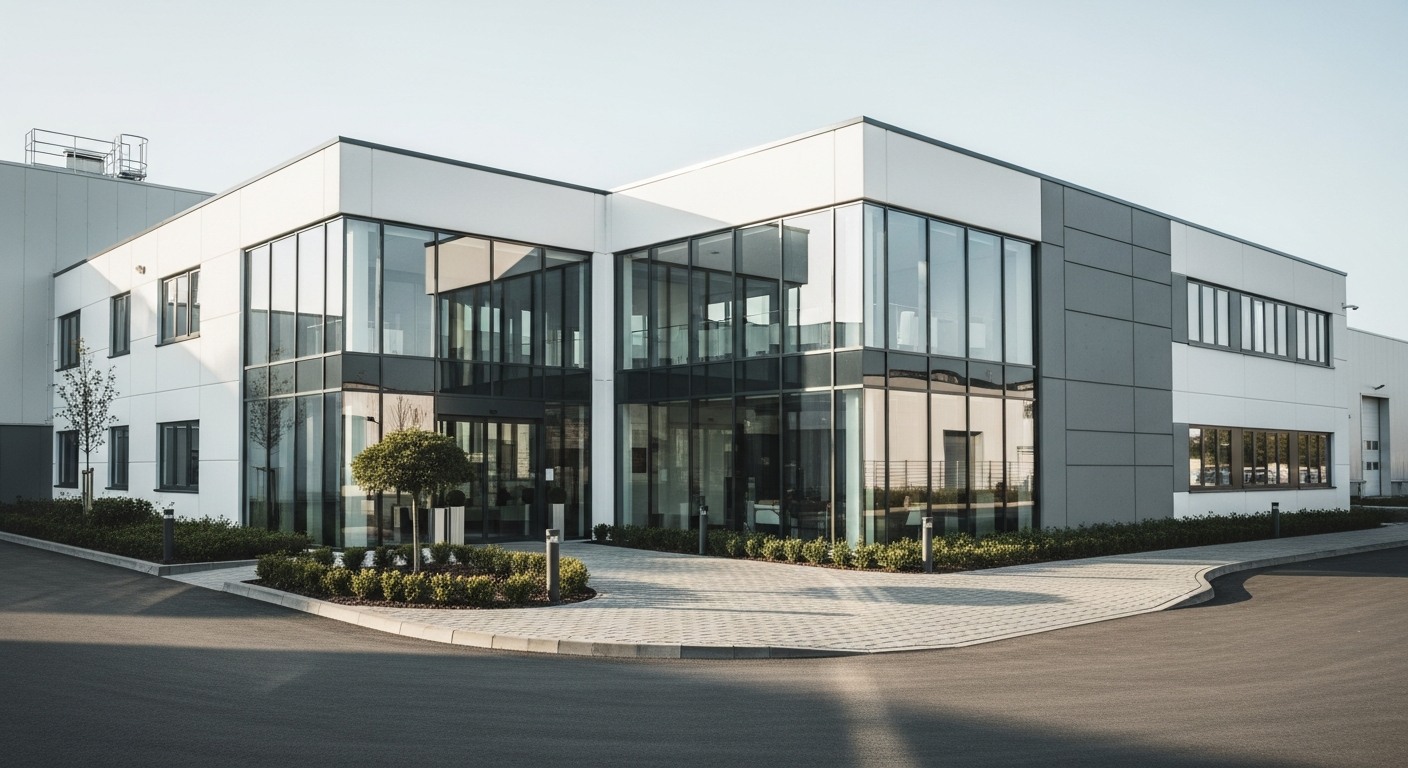
NewsA New Hub for Foodservice Seasoning OEM─YINGHOK Enters the Japanese Market
For food manufacturers and trading companies considering foodservice seasoning OEM in China, this article explains YINGHOK's new website launch and entry into the Japanese market, covering its production facilities, certifications, and supply track record.
 Trend
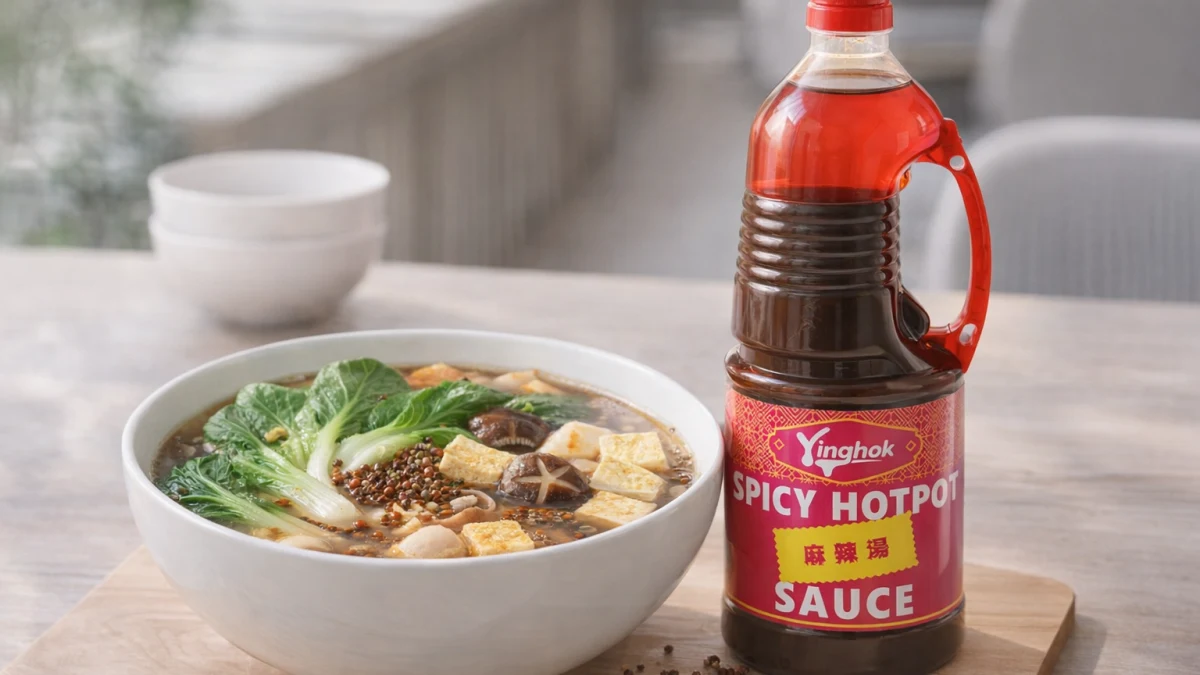
TrendWhy Mala Tang Is Growing in the Japanese Market and the Future of Foodservice Trends
Is the growth of mala tang in the Japanese market a passing fad or a structural shift? This article explains the foodservice trends behind it, the differences from mala hot pot, future market changes, and key considerations for selecting commercial soup bases from a B2B perspective.