Standardizing Flavor and Soup Base OEM: The Key to Private Labeling Mala Tang
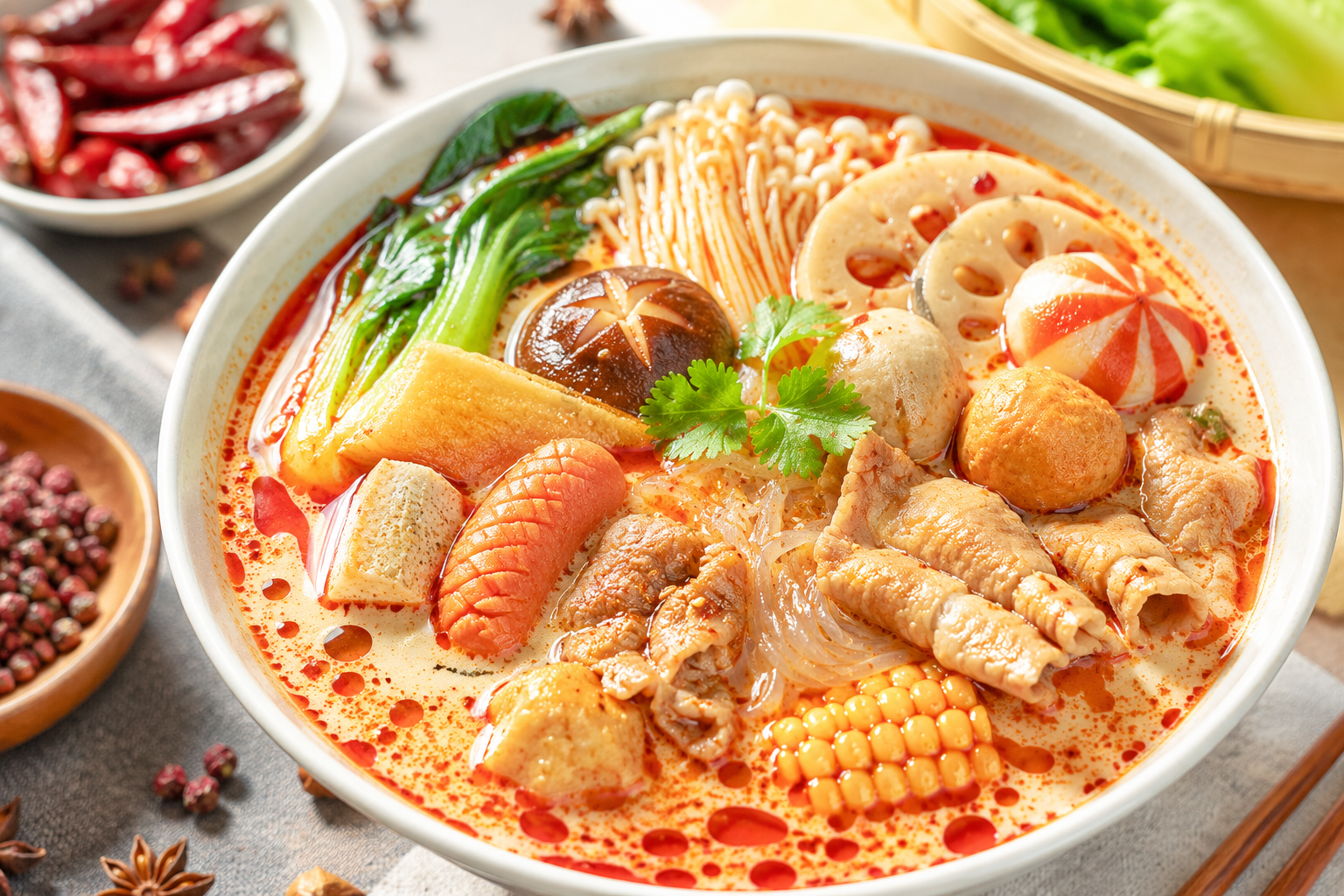
The Key to Private Labeling Mala Tang: "Flavor Standardization" and the Soup Base
In recent years, specialty mala tang (spicy hot soup) restaurants have grown rapidly across Japan. The more popular a restaurant—those with lines out the door—the more it tends to aim for its next step: expansion "beyond the storefront" through private-label products such as retort pouches and soup base concentrates. Yet many restaurants and manufacturers run into the same wall: the problem that "that restaurant's flavor cannot be reproduced at scale." This article explains the core of what makes mala tang product development succeed.
Why "That Restaurant's Flavor" Disappears at Scale
In a restaurant, the flavor shifts subtly based on the chef's intuition, heat control, and each day's ingredient sourcing. While this becomes appealing as a sense of "live authenticity," it is fatal for retort-pouch or private-label products. Once consumers find a product they like, they expect the exact same flavor the second and third time.
In other words, what separates success from failure in private labeling is "flavor standardization." Standardization means the same taste regardless of when, where, or who makes it. This reproducibility is precisely the foundation that supports repeat purchases at the retail shelf.
The Soup Base Is the Heart of Standardization
The character of mala tang lies neither in the ingredients nor the noodles. What determines the soul of the flavor is the soup (base). The tingle of Sichuan pepper, the heat of chili, the richness of animal-based stock and spices—the balance of these blends becomes exactly what makes a given restaurant distinctive.
That is precisely why it is logical to begin product design with the soup base. Once the soup base can reliably deliver the same flavor, the product's framework is complete simply by combining ingredients and noodles. Conversely, as long as the soup remains inconsistent, no amount of attention to ingredients will lock the flavor in place.
Choosing a Partner That Delivers End-to-End, from Flavor Design to Mass Production
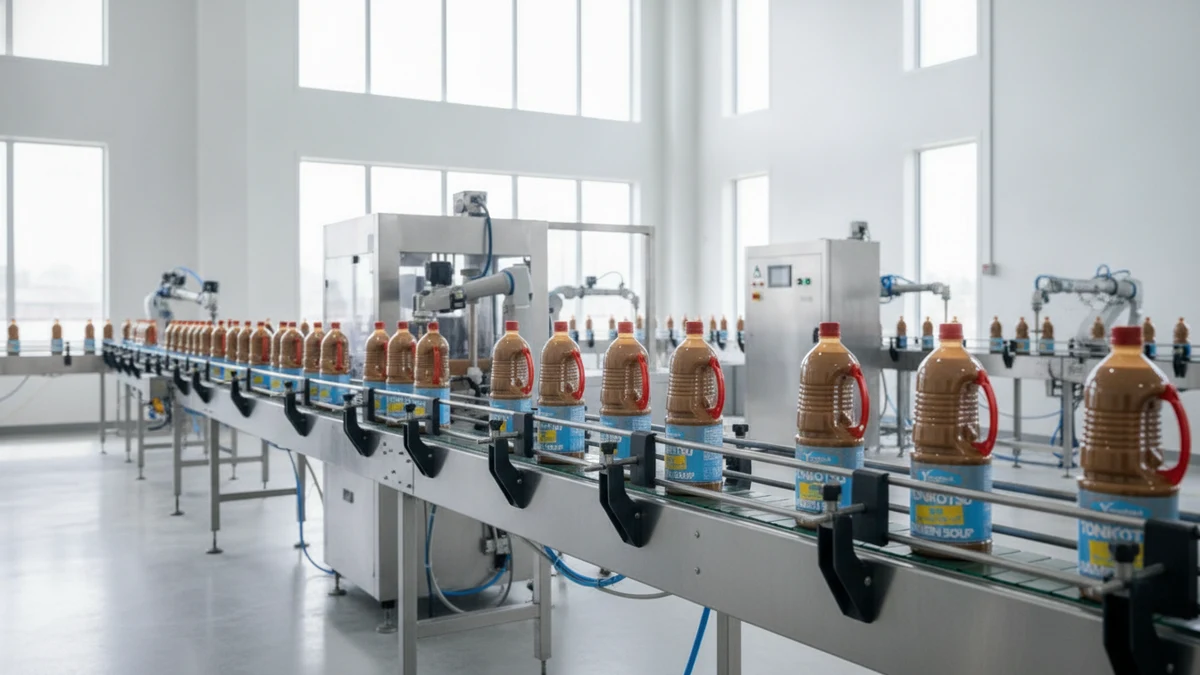
To achieve flavor standardization, collaborating with a manufacturer that can handle everything from recipe quantification to mass-production management is the fastest route. Since its founding in 2009, Nakano Foods (Nakano Foods (Dalian) Co., Ltd.) has operated as a specialist manufacturer of compound seasonings—with mala tang and hot pot soup bases as its flagship products—handling everything from flavor design to mass production.
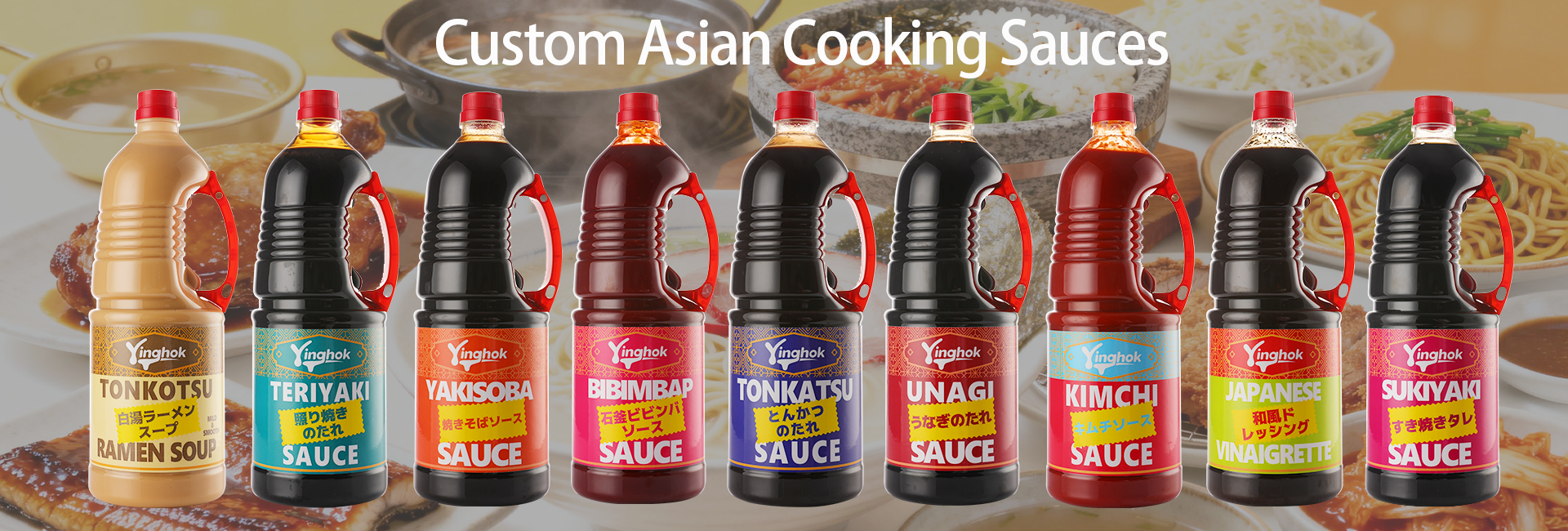
A key strength is its ability to support OEM and private label starting from small lots. It can reproduce a restaurant's flavor through trial production, and then move gradually to mass production after test marketing. Furthermore, because it can supply Japanese-style sauces end-to-end—including teriyaki, yakiniku, and unagi sauce—the development of multiple products can be consolidated with a single company.
How to Make Product Development Succeed
In practice, the process begins by analyzing your own restaurant's soup and articulating the intended direction of its heat, tingle, and richness. Next, samples are produced and the blend is refined while comparing them against the restaurant's flavor. Once you can experience the level of reproduction firsthand, translating it into a retort pouch or soup base concentrate quickly becomes a realistic prospect.
Mala tang product development comes down to a single point: flavor standardization. And its starting point always lies in the soup base. Begin with a free sample and experience "flavor standardization" that holds up even in mass production.
Summary
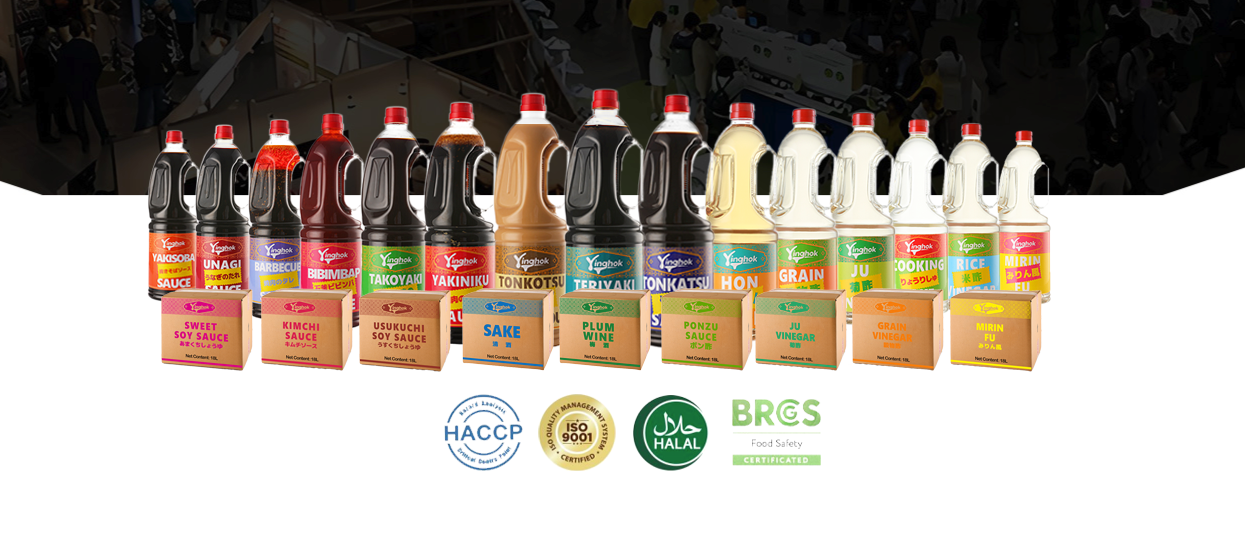
In Japan's expanding mala tang market, the success of private labeling is decided by "flavor standardization." The heart of standardization is the soup base, and it is critical to choose a partner that can deliver end-to-end—from flavor design to mass production and Japanese-style sauces. Nakano Foods supports OEM and private label starting from small lots and holds HACCP, ISO 9001, FDA, BRCGS, and HALAL certifications. Your next action is to first confirm the level of reproduction with a trial sample.
Request a free sample
Try our products with a free sample. Feel free to get in touch.
Request a sampleRelated Articles
 Guide
GuideCompound Seasoning OEM/Private Label: Bringing Your Own-Brand Seasonings to the World
A guide to developing compound seasonings via OEM/private label. Covers integrated production of sauces, tare, and soup bases, HALAL compliance, Japan-quality export capabilities, and key points from small-batch prototyping to mass production—written for B2B procurement professionals.
 Guide
GuideNew Plant Boosts Reach from 50 to 100 Countries | Asian Seasoning OEM
A guide to Asian seasoning OEM/PB supply capabilities. Learn how Nakano Foods aims to expand from 50+ to 100 countries through its new plant—covering production capacity, certifications, and multinational flavor expertise for trading companies and product developers.
 Guide
GuideA Guide to Using Seasoning OEM to Replicate Flavor When Restaurants Expand Overseas
For restaurant operators struggling to replicate flavor during overseas expansion. This guide explains why flavors change, how to standardize soups and sauces, and how commercial seasoning OEM builds the foundation for overseas expansion, plus key criteria for selecting a manufacturing partner.