Key Points of Halal Seasoning OEM | Formulation Design That Preserves Japanese Flavor
Key Points of Halal Seasoning OEM | Formulation Design That Preserves Japanese Flavor
For restaurant chains looking to roll out products and menus for Muslim consumers, bento and prepared-food manufacturers, export trading companies, and hotel and foodservice professionals advancing their inbound tourism response, halal seasoning OEM is an unavoidable topic. Japanese cuisine in particular makes it difficult to balance "deliciousness" with "halal compliance," and a design misstep will diminish the flavor. This article organizes the key points for making Japanese-style tare and sauces halal-compliant at foodservice grade.
Why Japanese Seasonings Are Not Halal
There are several clear reasons why Japanese seasonings are not halal-compliant as-is. The first thing readers should grasp is that risks lurk in both ingredients and production methods.
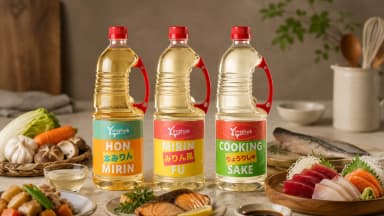
First is alcohol. Mirin and cooking sake are widely used to add glaze, sweetness, and depth. Soy sauce also generates alcohol during the brewing process. While these are fundamental to the flavor of Japanese cuisine, they are, in principle, items to be avoided under halal standards.
Second are pork-based ingredients. Emulsifiers, gelatin, and certain fats and oils may contain pork-derived components. Because unintended contamination can also occur, simply checking the ingredient label is not sufficient.
Third is the origin of animal extracts. For animal extracts that serve as the base for dashi and umami, the processing method of the source meat is in question. Even chicken or beef cannot be used unless they have undergone halal-compliant processing.
How to Build Flavor in a Halal-Compliant Product
The essence of halal compliance lies in "not diminishing flavor within constraints." Simply removing ingredients causes the glaze and depth characteristic of Japanese cuisine to be lost.
Creating Sweetness, Glaze, and Umami Without Using Alcohol
The sweetness and glaze once provided by mirin and cooking sake can be substituted through the formulation of sugars and the design of viscosity. Umami is reproduced by combining plant-based dashi with halal-compliant animal-based ingredients, building it up in layers. The key is to achieve balance using multiple ingredients rather than relying on a single one.
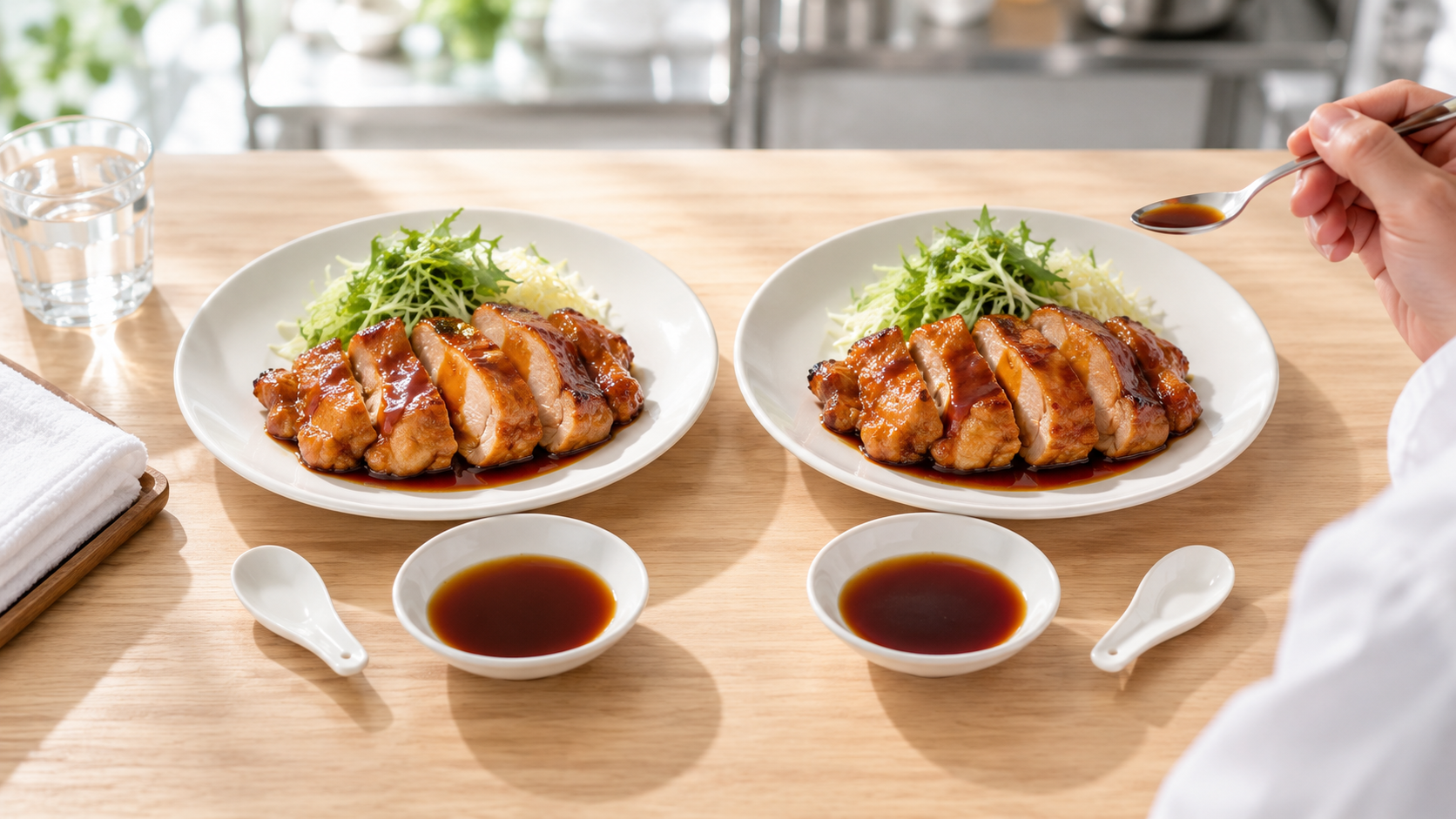
For soy sauce-based bases as well, a low-alcohol design preserves the soy-sauce-like savory aroma and saltiness. Sweet-and-savory Japanese flavors—such as teriyaki tare and sukiyaki tare—are precisely where the skill of formulation design greatly influences the final result.
Not Just Ingredients, but the Manufacturing Structure Is Also in Question
Halal compliance is not completed through ingredient selection alone. The entire structure, from manufacturing to certification, is in question.
First is ingredient verification. You must understand the origin and processing method of every formulated ingredient. Next is manufacturing process control. When producing on the same line as non-halal products, cleaning and segregation management to prevent cross-contact are required. A management structure encompassing ingredient warehouses and the filling process is important.
Then comes obtaining certification. Halal certification is established only after a third party verifies the ingredients, manufacturing, and storage. When selecting an OEM partner, it is essential to determine whether they can provide all of these on an integrated basis.
Where It Can Be Used: From Export to Inbound Tourism
The applications for halal-compliant Japanese-style seasonings are expanding. In reality, they are in demand across more diverse sales channels than expected.
For exports to Southeast Asia and the Middle East, they are an essential requirement when delivering Japanese menus to local Muslim markets. In menu development for Muslim visitors to Japan as well, seasonings that hotels and foodservice chains can serve with confidence are indispensable.
Demand is also rising in the halal bento and prepared-foods field. By rolling out staple menu items such as teriyaki, gyudon, and yakitori in halal specifications, you can address new customer segments. Offering individually packaged portions—such as single-serve soy sauce packets for sushi—is also effective. By combining the foodservice-grade 1.8L format with the 300ml format that is also easy to use for retail, you can address a wide range of business types.
Examples of Halal-Compliant Product Lineup
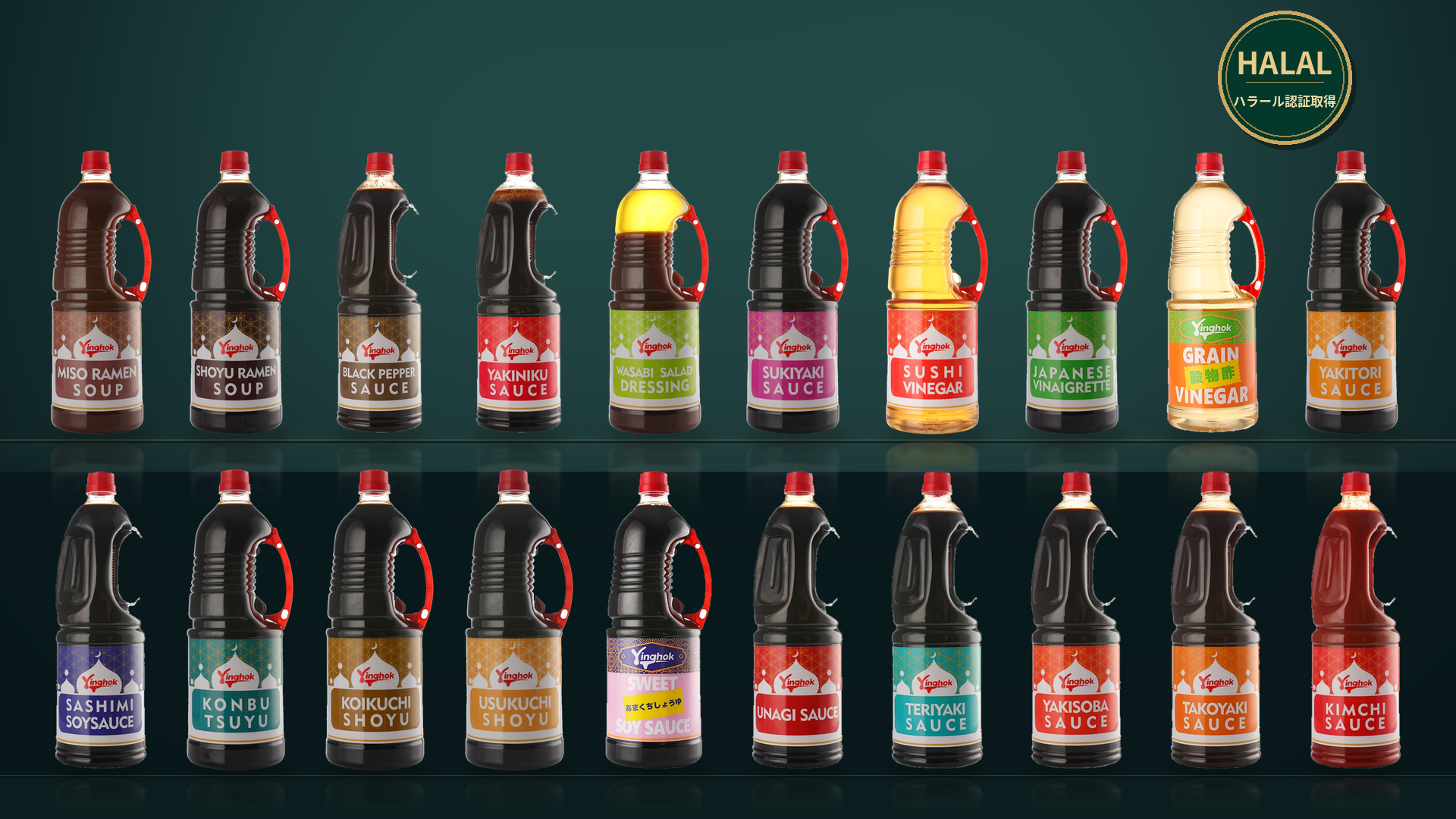
Halal-compliant Japanese-style seasonings include teriyaki tare, yakisoba sauce, takoyaki sauce, yakiniku tare, unagi (eel) tare, sukiyaki tare, sushi vinegar, ramen soup (soy sauce and miso), Japanese-style dressing, gyudon tare, and yakitori tare. We primarily offer 300ml and 1.8L formats, usable for both foodservice and retail.
Summary
The practical approach is to view halal compliance not as a "special product" but as one specification for expanding sales channels. The main reasons Japanese flavors are not halal lie in alcohol and animal-based ingredients. What matters is formulation design that does not diminish flavor within constraints, and integrated control spanning ingredients, manufacturing, and certification.
Applications are steadily expanding—across export, inbound tourism, bento and prepared foods, and sushi. With a structure that can provide integrated support for Japanese-style, Chinese, Korean, and Asian compound seasonings from development through mass production, launching private-label and foodservice products becomes easier to discuss. Start by verifying the degree of flavor reproduction with a free sample.
Request a free sample
Try our products with a free sample. Feel free to get in touch.
Request a sampleRelated Articles
 Guide
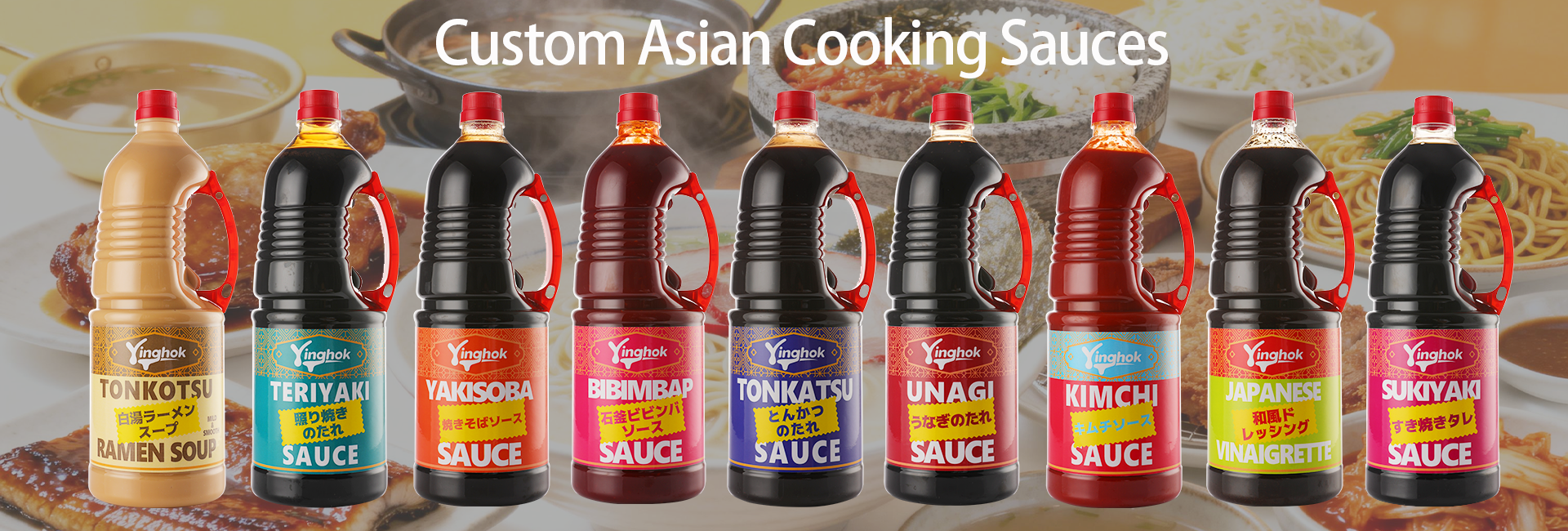
How to Choose a Sauce & Marinade OEM Manufacturer | 5 Criteria for Selecting a Private Label Partner
A guide to choosing a sauce and marinade OEM manufacturer based on five decision criteria. For procurement professionals, we outline how to select the right private label (PB) partner without missteps—covering flavor design capability, product range, volume and packaging, certifications, and account management.
 Guide
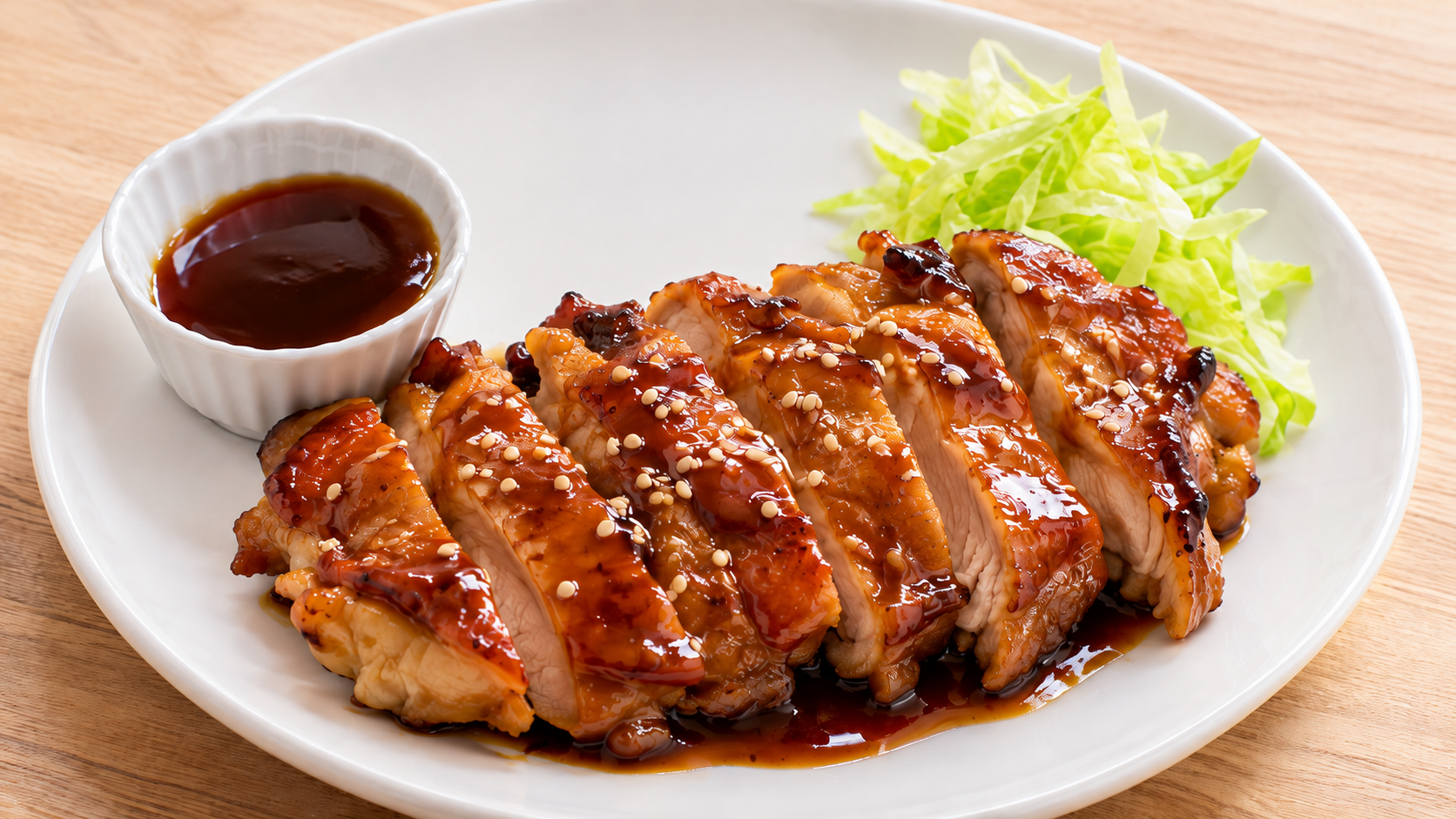
How to Develop a Teriyaki Sauce OEM | An Application-Based Design Guide
A guide for private label managers considering teriyaki sauce OEM, covering application-based design, flavor profiling, volume and packaging, and halal compliance. We explain the approach to accelerating prototyping—from foodservice to retail.
 Guide
Switch Your Seasoning Without Changing the Taste | How Taste-Matching OEM Works
"We don't want to change the taste of the sauce we use now, but we need to rethink cost and supply." That is where taste-matching OEM helps. A compound seasoning manufacturer explains the process and how to avoid common pitfalls.