How to Develop a Teriyaki Sauce OEM | An Application-Based Design Guide
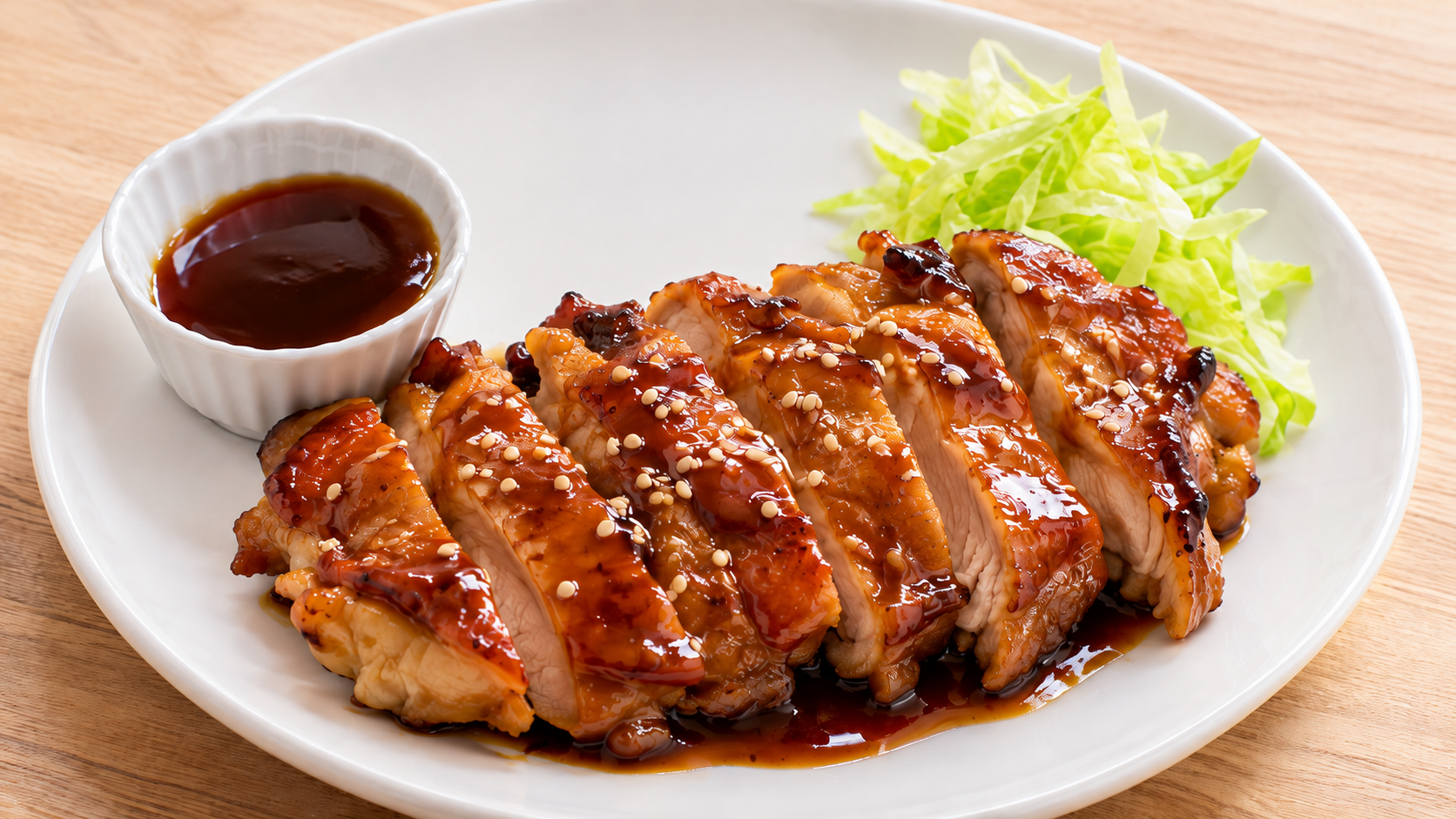
How to Develop a Teriyaki Sauce OEM | An Application-Based Design Guide
This article organizes the key points that restaurant chains, prepared food and bento manufacturers, and retail/wholesale private label managers should settle before commissioning an OEM teriyaki sauce. Teriyaki sauce is a seasoning whose design shifts significantly based on application. The clearer your direction is before placing an order, the faster the prototyping and the closer the result to your intended flavor. This article explains the approach to making your consultation and sample requests proceed smoothly.
Teriyaki Sauce Design Changes by Application
The first thing to decide is "how it will be used." Even for the same teriyaki sauce, the optimal formulation differs depending on usage.
- Marinade before grilling: Designed to coat the ingredient and develop sheen during cooking. Even with modest viscosity, it is tuned to produce a glossy finish after grilling.
- Glaze after grilling: Designed to complete the sheen and flavor as applied. Thickness is kept slightly stronger so it looks appealing the moment it is applied.
- Reduction (simmered glaze): Designed to reduce while heating. The post-reduction thickness and salt presence are calculated in advance.
The way thickness and sheen develop is determined by the balance of sugar, soy sauce, and thickening components. Once the application is set, this design starting point is established. Picturing how you want the finished product to look first makes the consultation smoother.
Defining Flavor: Sweetness, Soy Depth, and Aftertaste
Teriyaki sauce flavor is easier to organize when considered along three main axes.
- Sweetness: How prominently to feature sugar, syrup, or mirin-based sweetness
- Soy depth: The intensity of savoriness and saltiness. Compatibility with the charred aroma during grilling is also important
- Aftertaste: Whether to finish cleanly and crisply, or to leave richness. Adjusted with dashi or umami components
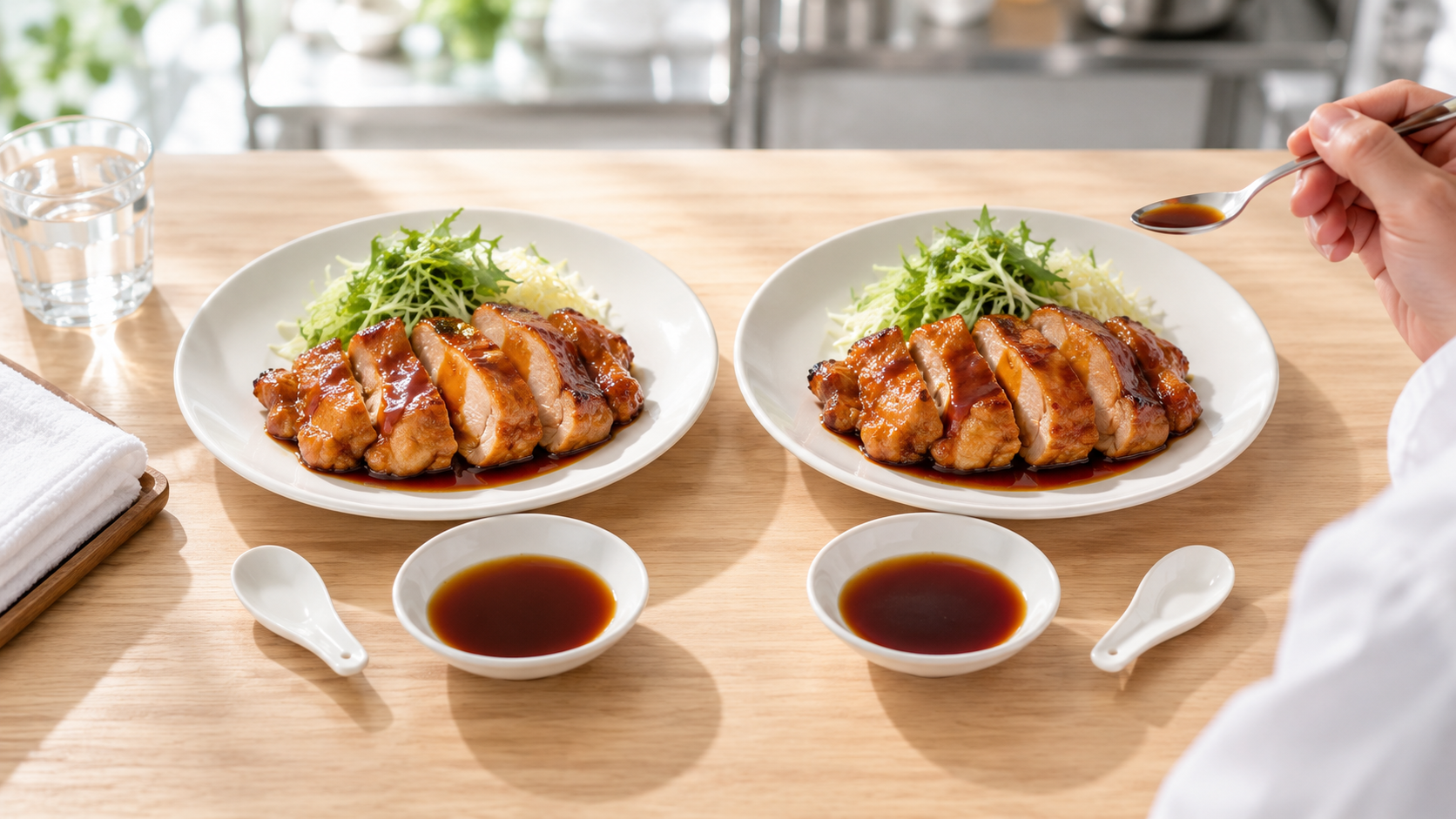
The most reliable approach to flavor development is to use a benchmark target product. If you have an existing hit product or a foodservice sauce you currently use, present it as a sample. Communicating the differences from there (slightly sweeter, less soy depth, etc.) reduces the number of prototyping iterations.
Volume and Packaging: Choose Based on Sales Channel
The required volume and packaging for teriyaki sauce changes depending on the sales channel. Deciding this before ordering also makes line design smoother.
- Foodservice: Large-volume PET containers, gallon cans, or large bags. Prioritizes stable supply and cost efficiency
- Retail (private label): Easy-to-finish bottles. Shelf-appealing design and ease of opening are also considered
- Bento and prepared foods: Single-use small pouches, including individual packaging
The optimal packaging differs depending on whether you supply large lots for foodservice or roll out bottles for retail private label. If you have multiple sales channels, it is efficient to discuss the volume for each at once.
Export and Halal Compliance
When expanding teriyaki sauce into overseas markets, formulation considerations may be necessary.
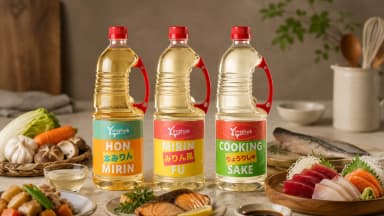
Depending on the country or region, an alcohol-free formulation may be required. It is possible to design a sauce that reproduces sheen and sweetness without using the alcohol content derived from mirin or cooking sake. If you anticipate inbound demand from visitors to Japan or export opportunities, sharing these requirements early provides peace of mind.
Production of halal-certified teriyaki sauce is also available. If you are considering a private label for the Muslim market or for halal-compliant outlets, we can assist from ingredient selection tailored to certification requirements.
Summary
Teriyaki sauce OEM prototyping moves faster once these four points are decided.
- Application: Marinade, glaze, or reduction
- Flavor: Sweetness, soy depth, and aftertaste against a benchmark target product
- Volume and packaging: Foodservice, retail, or bento
- Sales channel: Domestic or overseas, and whether halal compliance is required
With these organized, the process from consultation to prototyping proceeds smoothly. Start by firming up your direction, then advance the discussion using a physical benchmark sample.
YINGHOK handles Japanese-style, Chinese, Korean, and Southeast Asian compound seasonings from development through mass production in a single factory. We hold HACCP, ISO 9001, ISO 22000, BRCGS, FDA, and HALAL certifications. For teriyaki sauce OEM and private label, you can start the conversation with a free sample.
Request a free sample
Try our products with a free sample. Feel free to get in touch.
Request a sampleRelated Articles
 Guide
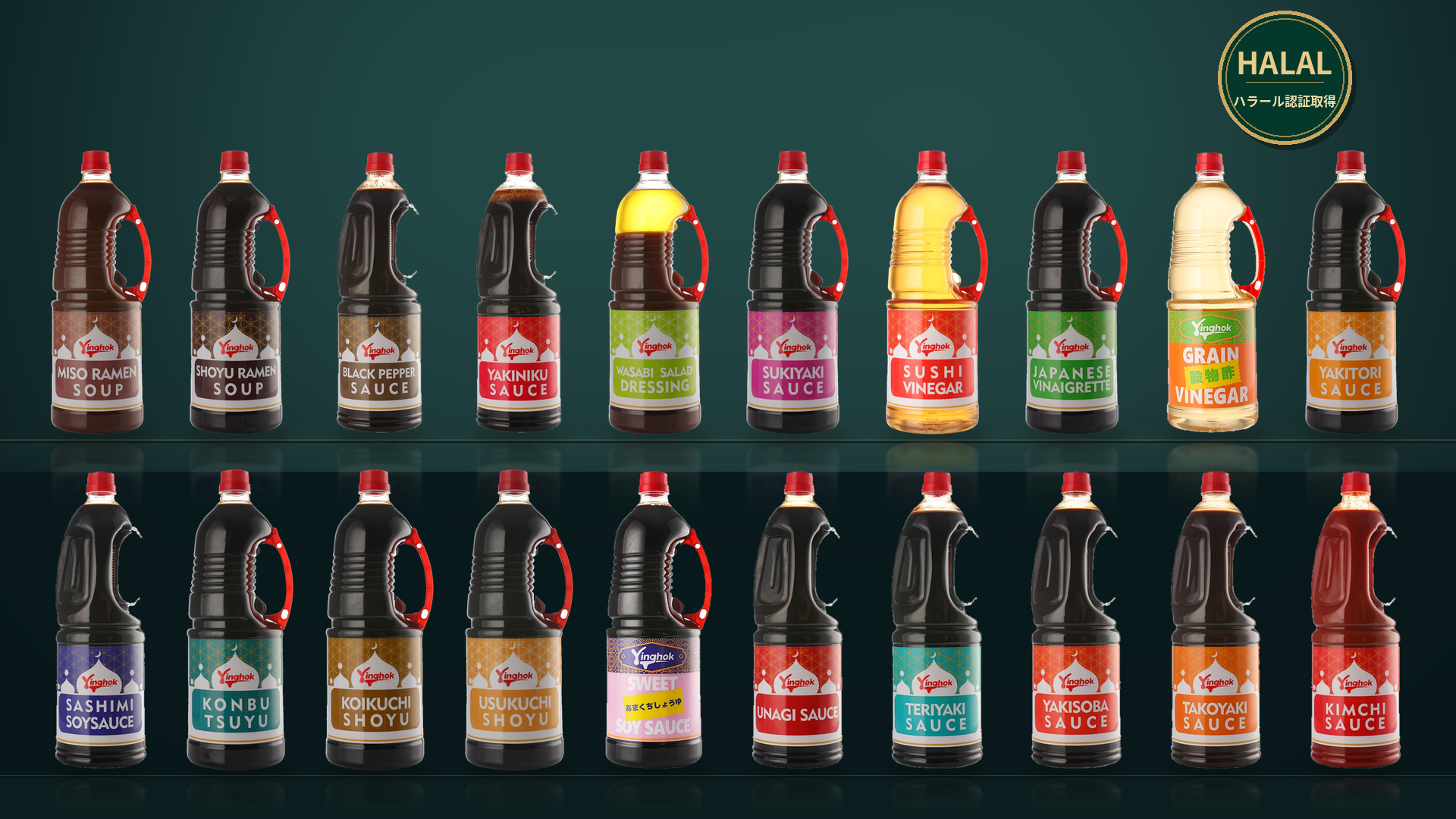
Key Points of Halal Seasoning OEM | Formulation Design That Preserves Japanese Flavor
A guide to the key points of reproducing Japanese flavor through halal seasoning OEM. We cover alcohol-free formulation design, ingredient verification through manufacturing control and certification, foodservice-grade sauces and tare, and applications for export and inbound tourism.
 Guide
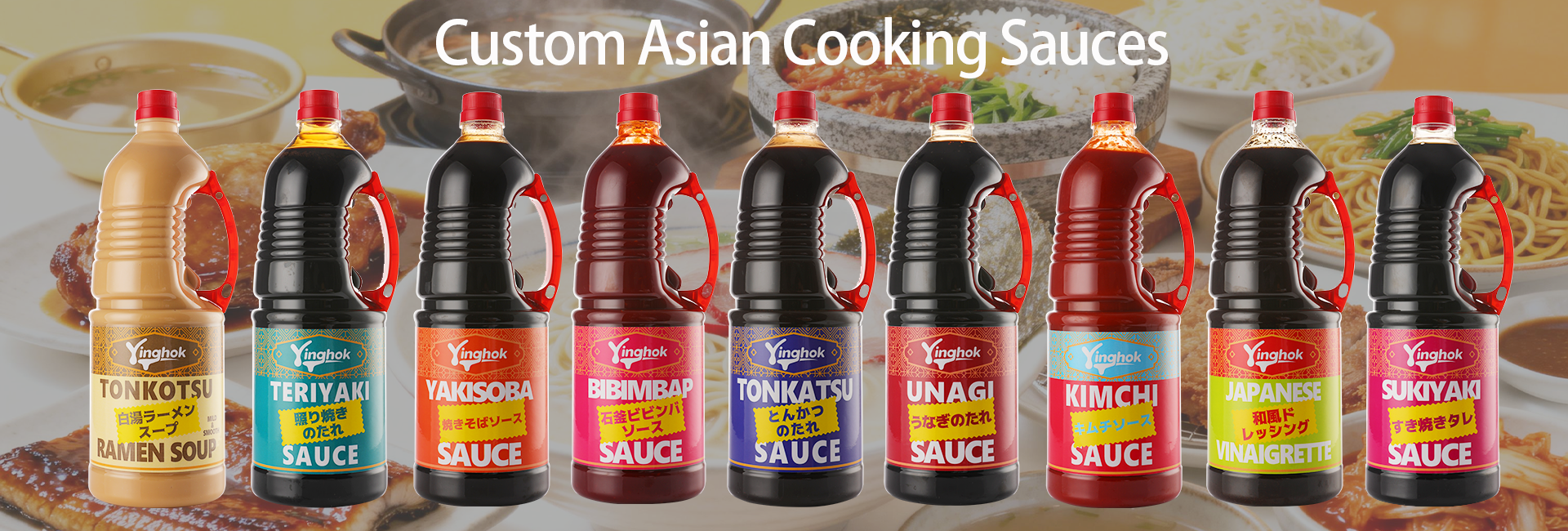
How to Choose a Sauce & Marinade OEM Manufacturer | 5 Criteria for Selecting a Private Label Partner
A guide to choosing a sauce and marinade OEM manufacturer based on five decision criteria. For procurement professionals, we outline how to select the right private label (PB) partner without missteps—covering flavor design capability, product range, volume and packaging, certifications, and account management.
 Guide
Switch Your Seasoning Without Changing the Taste | How Taste-Matching OEM Works
"We don't want to change the taste of the sauce we use now, but we need to rethink cost and supply." That is where taste-matching OEM helps. A compound seasoning manufacturer explains the process and how to avoid common pitfalls.