How to Turn Malatang into a Retort Pouch Product | The OEM Process
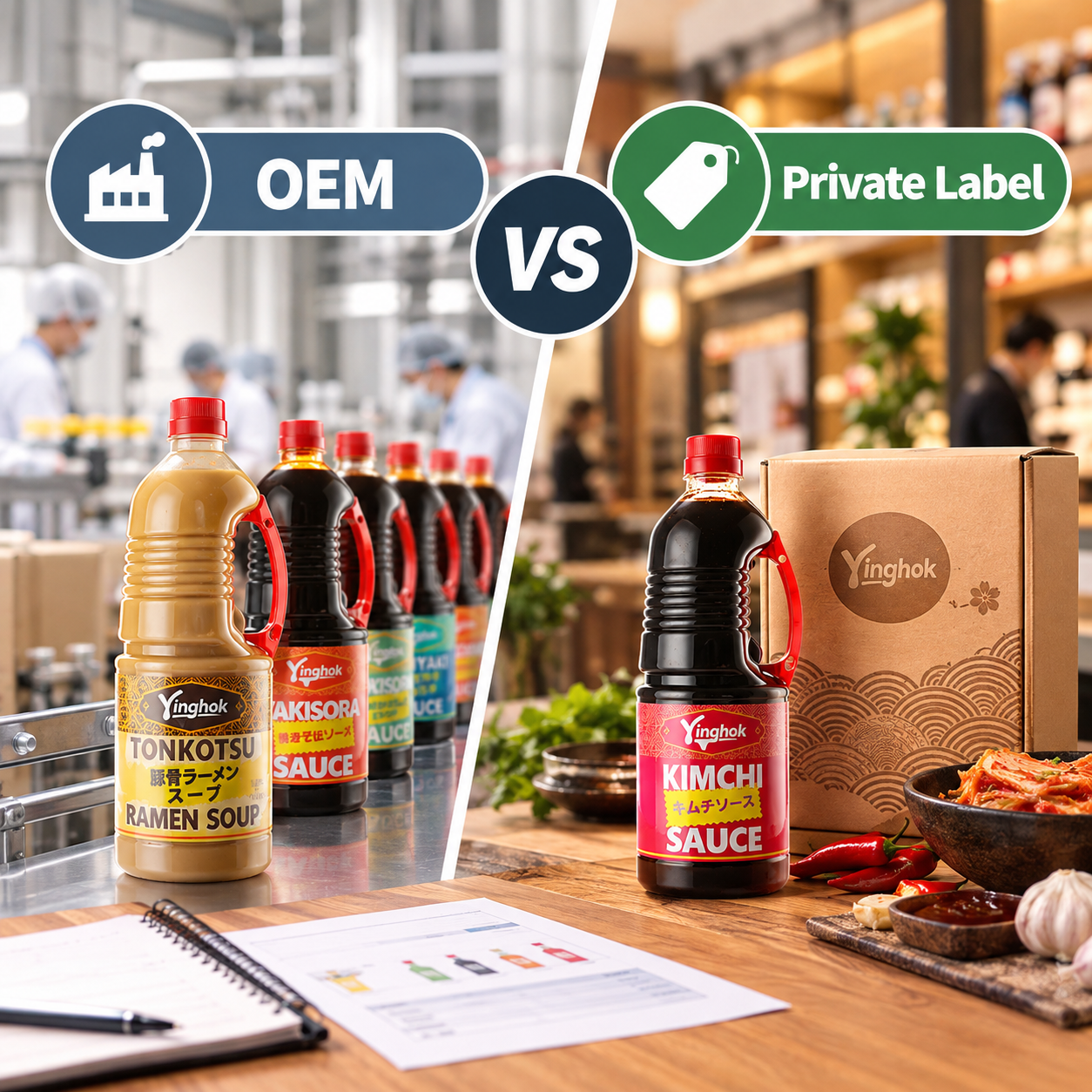
How to Turn Malatang into a Retort Pouch Product | The OEM Process
More and more food manufacturers, trading companies, and e-commerce operators are asking how to turn malatang into a retort pouch product under their own brand or private label. Once popularized in foodservice, malatang is now drawing attention as a product that can be easily enjoyed at home. This article organizes the trends driving product growth, then explains the OEM process for retort pouch conversion and the common pitfalls—all from a practical perspective.
Why Malatang Retort Pouch Products Are Growing Now
Malatang is a Chinese-style soup dish characterized by a style in which diners choose their preferred ingredients and simmer them in a broth. As specialty restaurants have proliferated, awareness has spread rapidly, giving rise to home consumption demand—"I want to eat it at home, too."
The retort pouch format is well positioned to capture this demand. It allows ambient-temperature distribution, fits easily into e-commerce single or subscription sales and convenience store shelves, and can be prepared simply by boiling the pouch or microwaving. The ability to drive repeat purchases through variations—such as different spice levels or sets that include ingredients—is another attractive point for product planning.
The Key Challenges Are "Flavor Standardization" and "Mass-Production Reproducibility"
The biggest hurdle in commercializing malatang is flavor standardization. Complex elements—the tingling numbness of Sichuan pepper, the heat of chili, and the aromas of oils and spices—must be brought to the same flavor regardless of who makes it.
Moreover, even if a prototype tastes great, it cannot become a viable product unless the same flavor can be reproduced on the mass-production line. This is where the soup base becomes key. By designing the soup base as a pre-blended compound seasoning, you can minimize lot-to-lot variation and make it easier to build a stable flavor.
The OEM Process and the Regulatory and Shelf-Life Design to Address
The general OEM process proceeds through the following stages: planning and concept sharing → recipe design and prototyping → mass-production testing → regulatory and labeling verification → full production and delivery. For a complex flavor like malatang, the more you align on the target, spice design, and ingredient composition during the initial interviews, the fewer setbacks you will face later.
In addition, for ambient-temperature retort pouch products, regulatory compliance and shelf-life design must be built in from the outset. Ingredient labeling, allergen labeling, storage testing based on sterilization conditions, and selection of packaging format (pouch, stand-up pouch, etc.) are best advanced in parallel with product planning as a practical rule of thumb.
When you choose a compound seasoning manufacturer that can handle this entire design process—from soup base formulation development through packaging—as a single point of contact, it becomes easier to achieve both development speed and stable quality.
Summary
Malatang retort pouch products are expanding, buoyed by home consumption demand and e-commerce and convenience store distribution. What determines success is the soup base that supports flavor standardization and mass-production reproducibility, along with regulatory compliance and shelf-life design premised on retort sterilization. By aligning the design with your OEM partner from the planning stage, you can reliably deliver the intended flavor and brand value.
Nakano Foods (YINGHOK) supports everything from soup base development to OEM/ODM/PB for malatang and other Asian seasonings. Start by verifying your intended flavor direction with a prototype sample. Please also see our related article, "How to Choose an Asian Seasoning OEM."
Request a free sample
Try our products with a free sample. Feel free to get in touch.
Request a sampleRelated Articles
 Guide
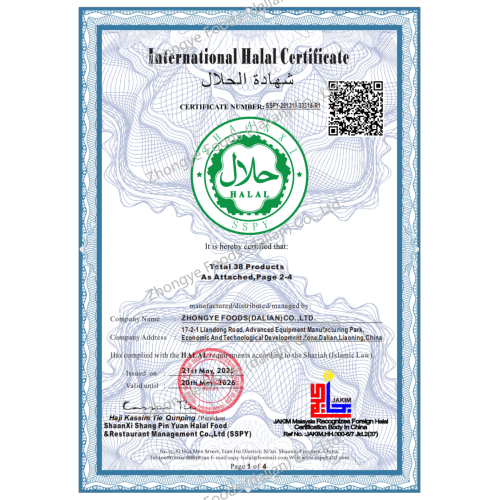
GuideThe Complete Guide to Halal-Compliant Japanese Sauces & Seasoning OEM
For food manufacturers, trading companies, and exporters considering halal Japanese sauce OEM, this guide explains how to design and select products that bring authentic Japanese flavors—such as yakiniku sauce and teriyaki—to Muslim markets.
 Guide
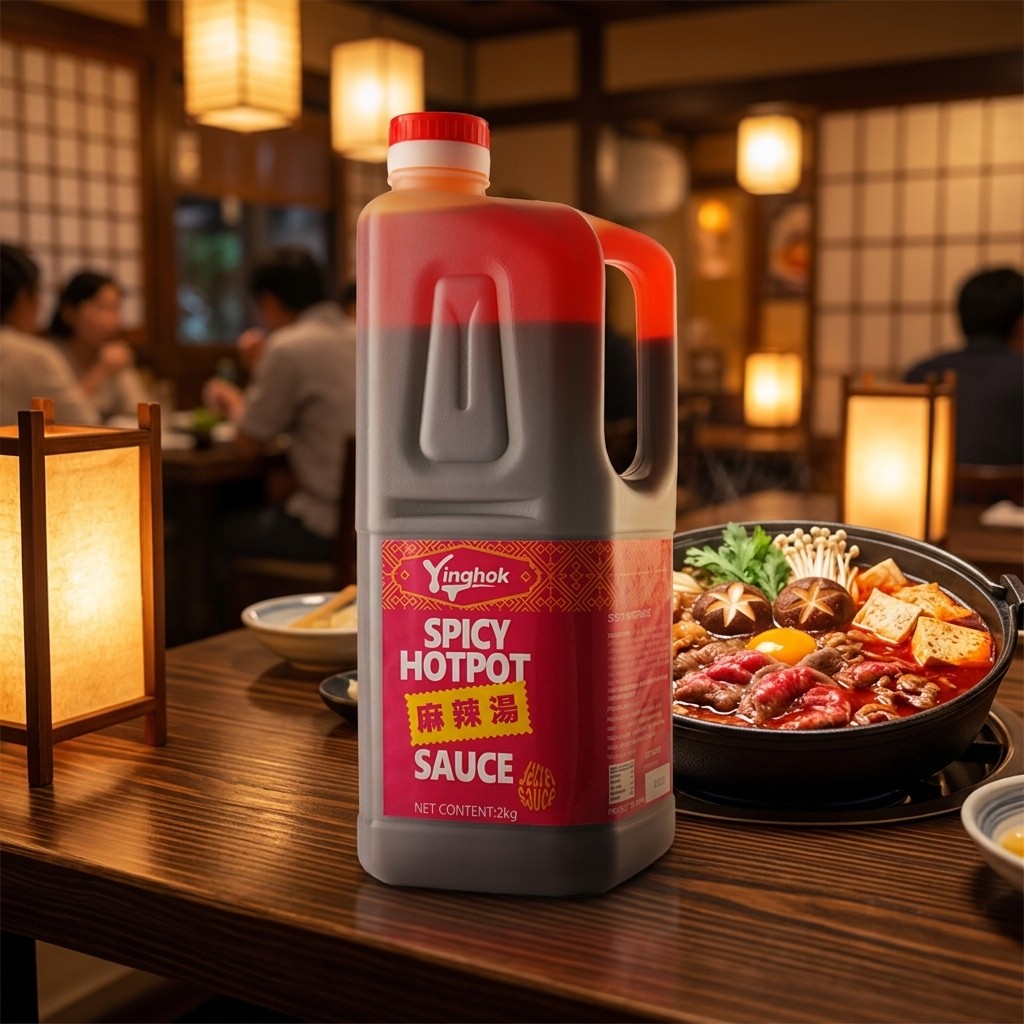
GuideFood Regulation Guide for Selling Mala Tang in Japan
A guide to the food regulations governing mala tang. This article covers the positive list system for food additives, differences between Japanese and Chinese standards, key points on preservatives and labeling rules, and how designing products to comply with regulations from the start reduces rework in import and sales.
 Guide
GuideReducing Malatang OEM Costs: The Concentrated Soup Option
The key to reducing malatang OEM costs is leveraging concentrated soup base. This article explains, from a practical standpoint, how it cuts costs across three fronts—ingredient cost, storage, and prep—along with key points for cost design.