How to Eliminate Flavor Inconsistency in Malatang | The Key to Standardizing Store Operations
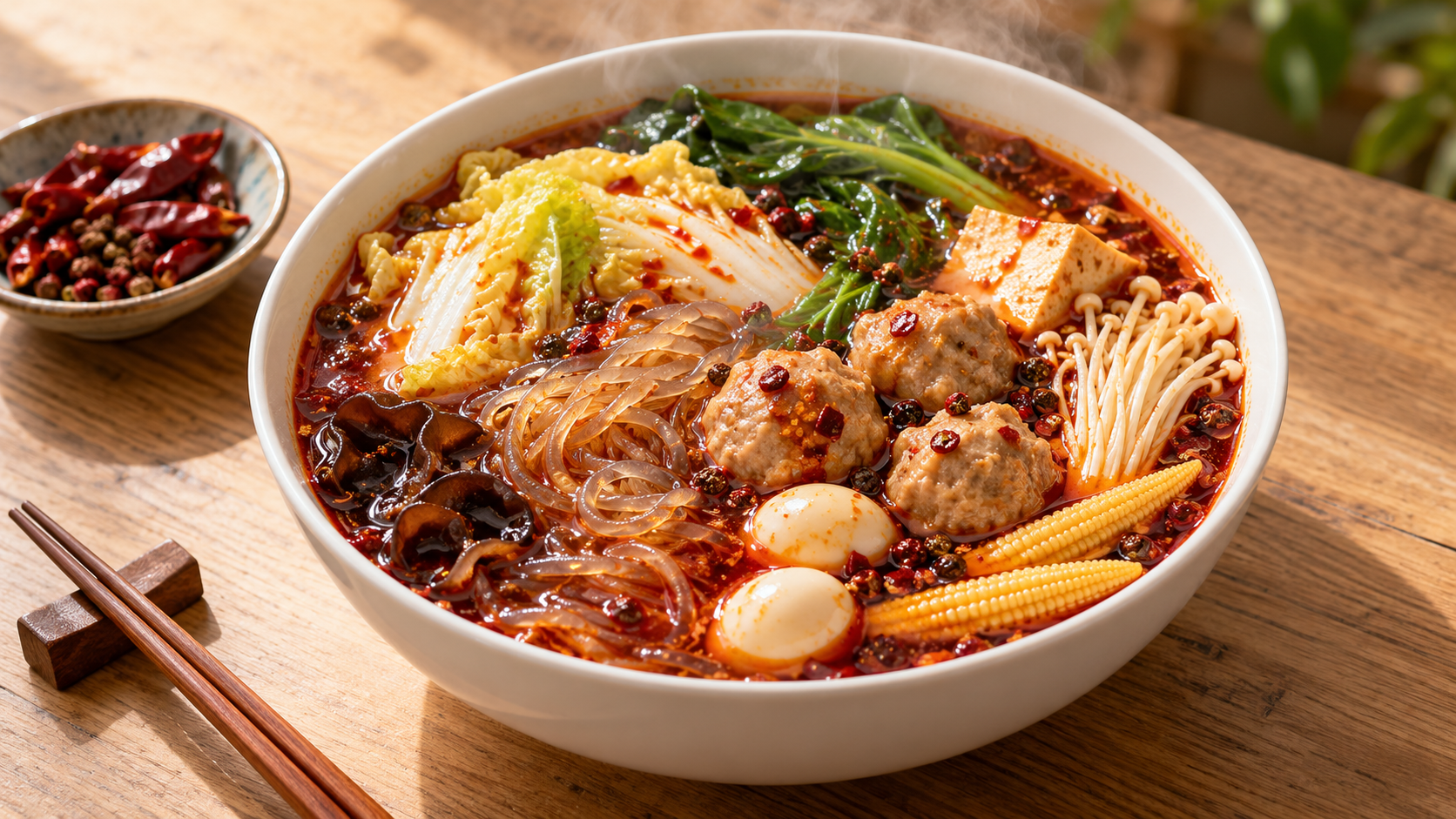
How to Eliminate Flavor Inconsistency in Malatang | The Key to Standardizing Store Operations
Malatang has firmly established its popularity in Japan, with adoption expanding from specialty shops to multi-location chains. At the same time, many store operators and procurement managers face a common challenge: "We can't produce the same flavor every time." Even if you draw customers in, inconsistent flavor won't sustain repeat business. This article explains, from an industry perspective, how to stabilize malatang flavor and standardize store operations.
Why Malatang Flavor Becomes Inconsistent
Malatang is a dish composed of a wide range of elements: the numbing quality of Sichuan pepper, the heat of chili, and the aroma and depth provided by medicinal herbal spices. The more elements involved, the more even slight differences in formulation significantly affect the final flavor.
On the floor, when dishes are made by hand, the measuring of spices, the order of ingredient addition, the extraction time, and the heat level all vary subtly from one staff member to another. Even when the same recipe is shared, results fluctuate depending on experience and even physical condition. This easily leads to comments like "the flavor is different from yesterday" or "Store A and Store B have different spice levels."
Furthermore, malatang is often served in a format where customers customize their own ingredients, so the reproducibility of the soup itself governs the overall impression of the flavor. If the foundational soup is inconsistent, the entire in-store experience becomes unstable.
Flavor Stability = Operational Standardization as a Management Challenge
For a restaurant, "flavor stability" and "operational standardization" are not merely quality control—they are the lifeline of the business. This is especially true for operators aiming to expand across multiple locations, where these two factors are inseparable.
When flavor is stable, repeat customers are less likely to leave. The ability to serve the same flavor even when staff change or new hires join is a major strength. Breaking away from personnel-dependent cooking also reduces training costs and reliance on manual labor.
Conversely, if flavor remains inconsistent, complaints and quality variability expand as the number of locations grows. Standardization is a foundation that should be established before entering the expansion phase.
The Key to the Solution: A Pre-Formulated Soup Base
A practical way to fundamentally curb flavor inconsistency is to use a pre-formulated commercial soup base. By using a base with a pre-designed balance of Sichuan pepper, chili, and medicinal herbal spices, on-site operations can be consolidated into a process centered on "dilute and heat."
As a result, differences in cooking experience are less likely to show in the flavor. Anyone assigned can reproduce the same flavor, which also shortens serving times. Reducing the burden of prep work contributes to turnover during peak hours as well.
There are also advantages in cost management. Because usage amounts are clearly defined, the cost per bowl is easier to project, making pricing design and profitability management more straightforward. It also reduces spice fractional waste and the complexity of inventory management.
Of course, using a base does not mean compromising on flavor. The concept is to secure the reproducibility of the foundation while expressing individuality at each store through toppings, added Sichuan pepper, and the like. Precisely because the foundation is stable, the creative touches layered on top come to life.
Turning It Into a Brand Rather Than Just a Fad
Reproducibility is also essential to growing malatang into a lasting brand rather than letting it end as a passing trend. Only by consistently delivering "that store's flavor" can you become a brand that customers seek out by name.
Delivering the same flavor every time builds trust with customers. As trust accumulates, repeat business is generated, forming the basis for word-of-mouth and multi-location expansion. In other words, reproducibility is both the entry point and the foundation of brand building.
Adopting a commercial soup base is a means of supporting this kind of brand strategy at the operational level. For operators in the expansion phase, choosing a compound seasoning manufacturer capable of stable supply is an important decision.
Summary
Flavor inconsistency in malatang stems from the sheer number of elements and the difficulty of manual preparation. Flavor stability and operational standardization are management challenges that determine customer retention, multi-location expansion, and reductions in training costs. By building operations around a pre-formulated soup base, you can simultaneously enhance reproducibility, time savings, and cost management.
Nakano Foods (YINGHOK), a specialist in compound seasonings for the Asian market, also offers commercial soup bases for malatang and hot pot. When considering flavor standardization, we invite you to also read our related articles on how to choose hot pot and ramen soups.
Request a free sample
Try our products with a free sample. Feel free to get in touch.
Request a sampleRelated Articles
 Guide
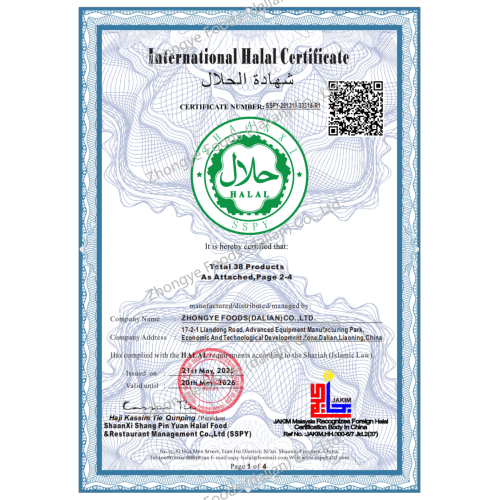
GuideThe Complete Guide to Halal-Compliant Japanese Sauces & Seasoning OEM
For food manufacturers, trading companies, and exporters considering halal Japanese sauce OEM, this guide explains how to design and select products that bring authentic Japanese flavors—such as yakiniku sauce and teriyaki—to Muslim markets.
 Guide
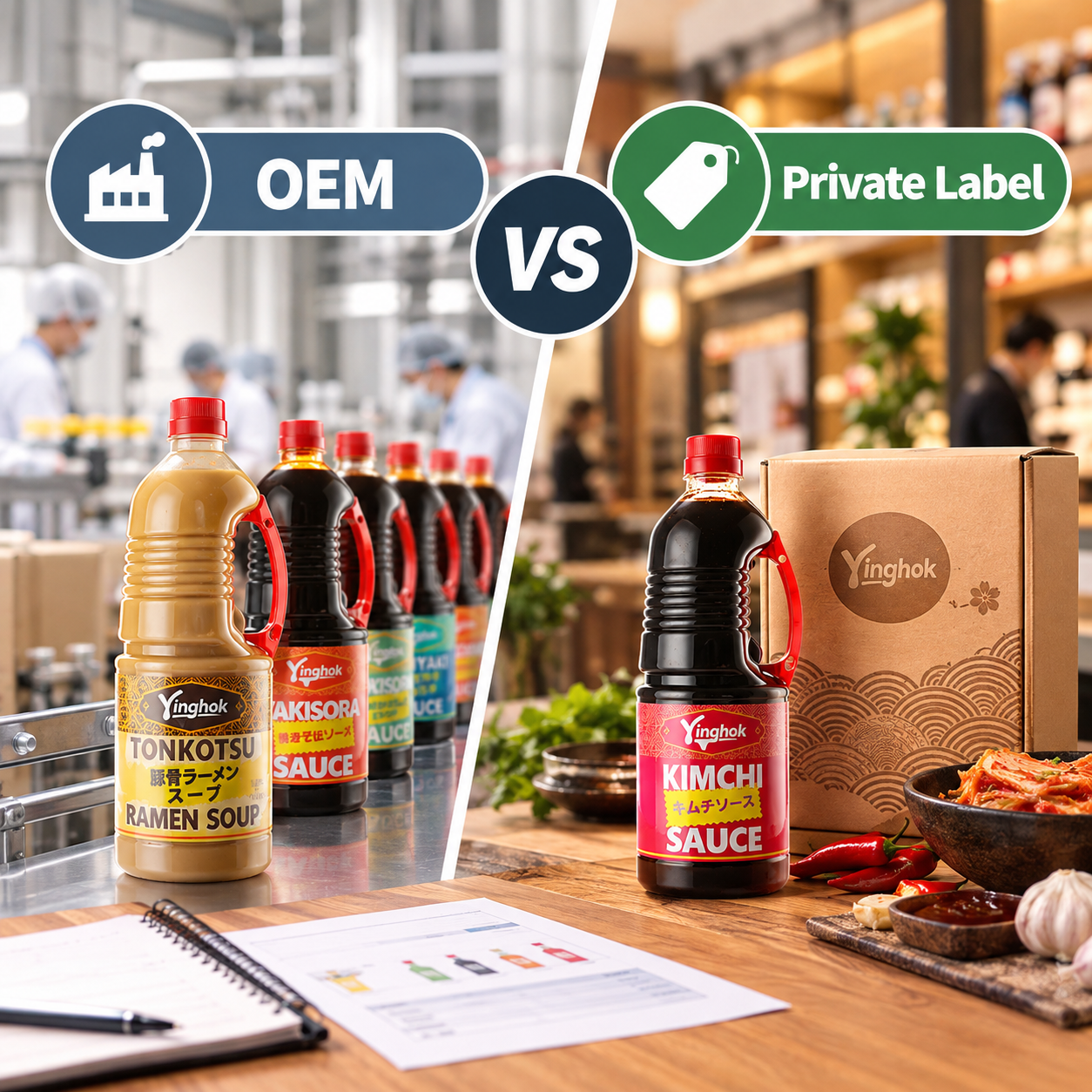
GuideHow to Turn Malatang into a Retort Pouch Product | The OEM Process
A guide for food manufacturers and trading companies exploring retort pouch products for malatang. From flavor standardization and mass-production consistency to regulatory compliance and shelf-life design, we outline the OEM process and the soup base that is key to success, all from a practical standpoint.
 Guide
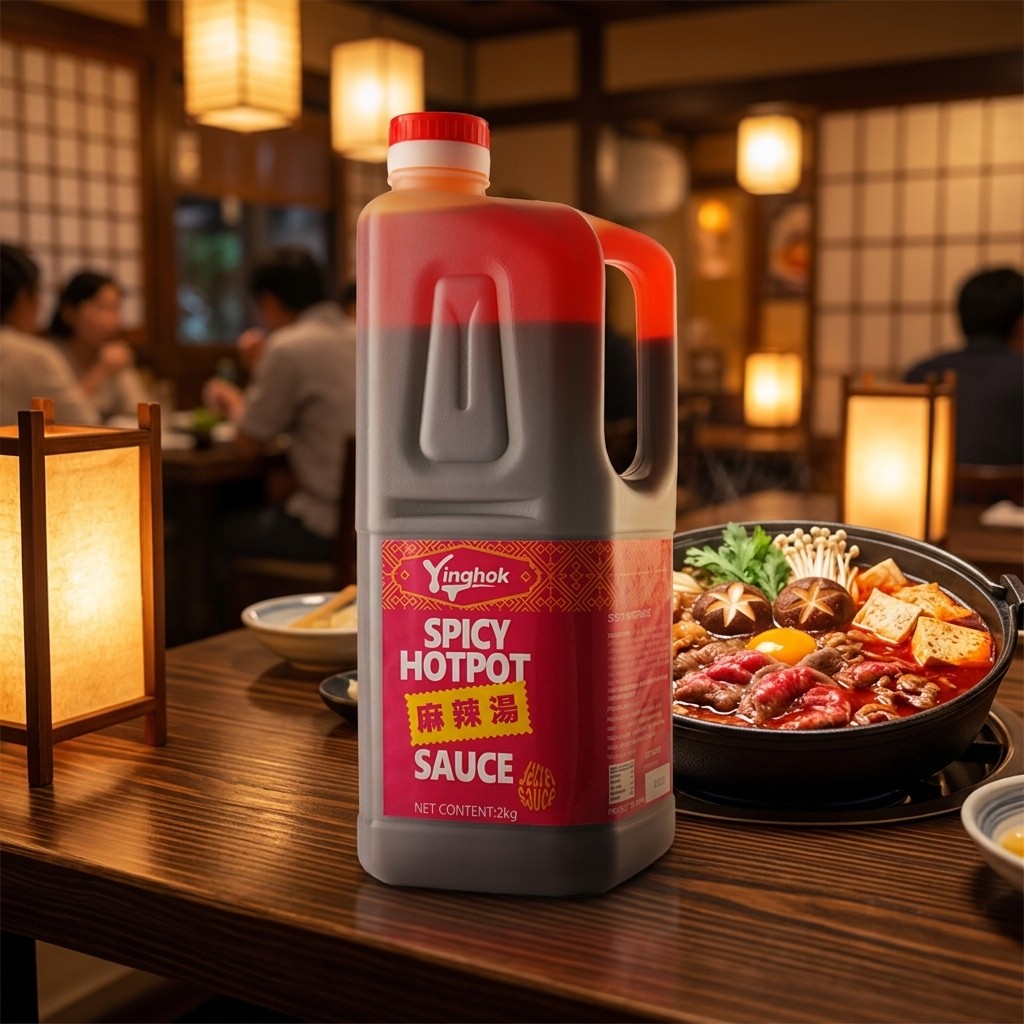
GuideFood Regulation Guide for Selling Mala Tang in Japan
A guide to the food regulations governing mala tang. This article covers the positive list system for food additives, differences between Japanese and Chinese standards, key points on preservatives and labeling rules, and how designing products to comply with regulations from the start reduces rework in import and sales.