How to Choose Authentic Malatang Foodservice Soup Base | OEM & Regulatory Compliance
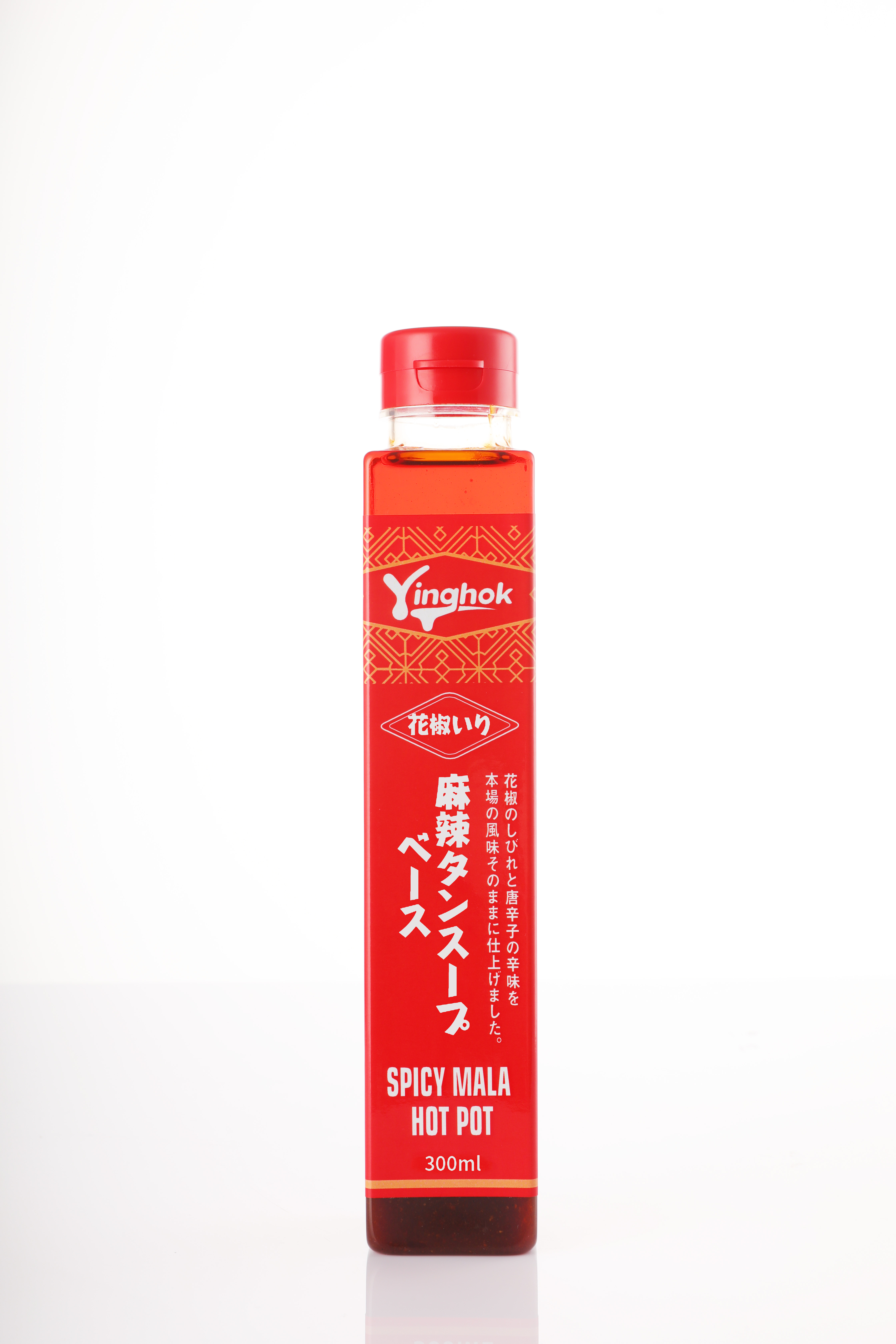
Authentic Malatang Foodservice Soup Base—Why It's Chosen for Flavor, Cost, and Japanese Regulatory Compliance
Driven by the growing number of specialty restaurants and inbound demand for diverse cuisine, malatang (mala tang) is rapidly being adopted for restaurant menus and private label (PL) products. However, when selecting a foodservice soup base, businesses often face multiple hurdles: reproducing authentic flavor, managing costs, and complying with Japanese food regulations. This article explains the criteria to keep in mind when choosing a foodservice malatang soup base, from a compound seasoning manufacturer's perspective. We organize the discussion around three axes—flavor, cost, and regulation—to provide decision-making material for OEM and PL planning.
The Spice Balance Behind Malatang's Flavor Building
In malatang, "ma" means tingle and "la" means spiciness. At the core of achieving these two dimensions are Sichuan pepper and chili. The numbing sensation on the tongue from Sichuan pepper, layered with the rising heat of chili, creates the distinctive stimulation unique to malatang.
However, stimulation alone lacks depth. A rich bone broth (pai tan) base, simmered from bones and aromatic vegetables, forms the foundation, while diverse spices such as star anise, cinnamon, and clove build additional layers. Rather than simply mixing these together, the technical skill to blend them in optimal balance—so that tingle, spiciness, umami, and aroma are in harmony—determines the level of flavor authenticity.
Cost Reduction and Operational Efficiency Achieved with a 5x Concentrated Type
When selecting a foodservice malatang soup base, adopting a concentrated type is central to cost management. Since concentrated soup is used diluted with water or hot water, a 5x concentration can be extended to four times its volume for every one part. This simultaneously curbs multiple costs.
- Cost: Concentration reduces the seasoning cost per serving
- Storage: For the same number of servings, storage volume is smaller, saving cold-storage space
- Transport: Reduced volume and weight lower logistics costs and environmental impact
- Prep labor: A stable flavor can be reproduced simply by diluting, standardizing store operations
For chains operating multiple locations and private label products manufactured in large lots, this efficiency gap directly affects profitability. Packaging options are also available to suit business scale, including 1.8L PET containers, gallon cans, and large foodservice bags (20 kg, 50 kg, etc.).
Compliance with Japanese Food Regulations (Additives and Labeling) as a Selection Criterion
Compliance with Japanese food regulations is often overlooked when importing and selling overseas-made foodservice soup bases. Japan has its own unique standards for the types and quantities of permitted food additives, as well as rules for ingredient and allergen labeling.
Products not designed with Japanese standards in mind will require reformulation or label revisions at the import or sales preparation stage, causing rework that delays market launch. Conversely, choosing a product designed and manufactured to comply with Japanese additive standards and labeling rules from the outset can significantly reduce this rework.
For stores anticipating inbound demand, whether HALAL support is available also becomes a decision factor. The ability to serve Muslim customers is a practical differentiator for capturing inbound tourism demand.
Japanese-Tailored Customization and the Practice of OEM & Small-Batch Prototyping
While authentic tingle and spiciness are the appeal of malatang, adjustments tailored to Japanese customer segments greatly influence sales performance. A development structure that can customize the intensity of Sichuan pepper's tingle and the range of chili spiciness according to the target customer base is important.
A manufacturer that supports OEM, ODM, and PL can handle everything from formulation development to packaging under a single contract. A workflow that first prototypes in small lots, confirms the flavor direction, and then moves to mass production keeps initial investment risk low.
Summary: Choose Malatang Foodservice Soup Base by "Flavor, Cost, and Regulation"
To serve or commercialize authentic malatang, the technical skill of a compound seasoning manufacturer that optimally blends Sichuan pepper, chili, and a bone broth base is essential. By choosing a 5x concentrated type to reduce cost, storage, transport, and prep labor, and by selecting a product that complies with Japanese food additive and labeling standards, you can minimize rework before market launch. Choosing a partner that offers Japanese-tailored customization of spiciness and tingle, along with integrated support from small-batch prototyping through OEM, is what determines the success or failure of a malatang business. We recommend first confirming flavor and compliance with a sample.
Request a free sample
Try our products with a free sample. Feel free to get in touch.
Request a sampleRelated Articles
 Guide
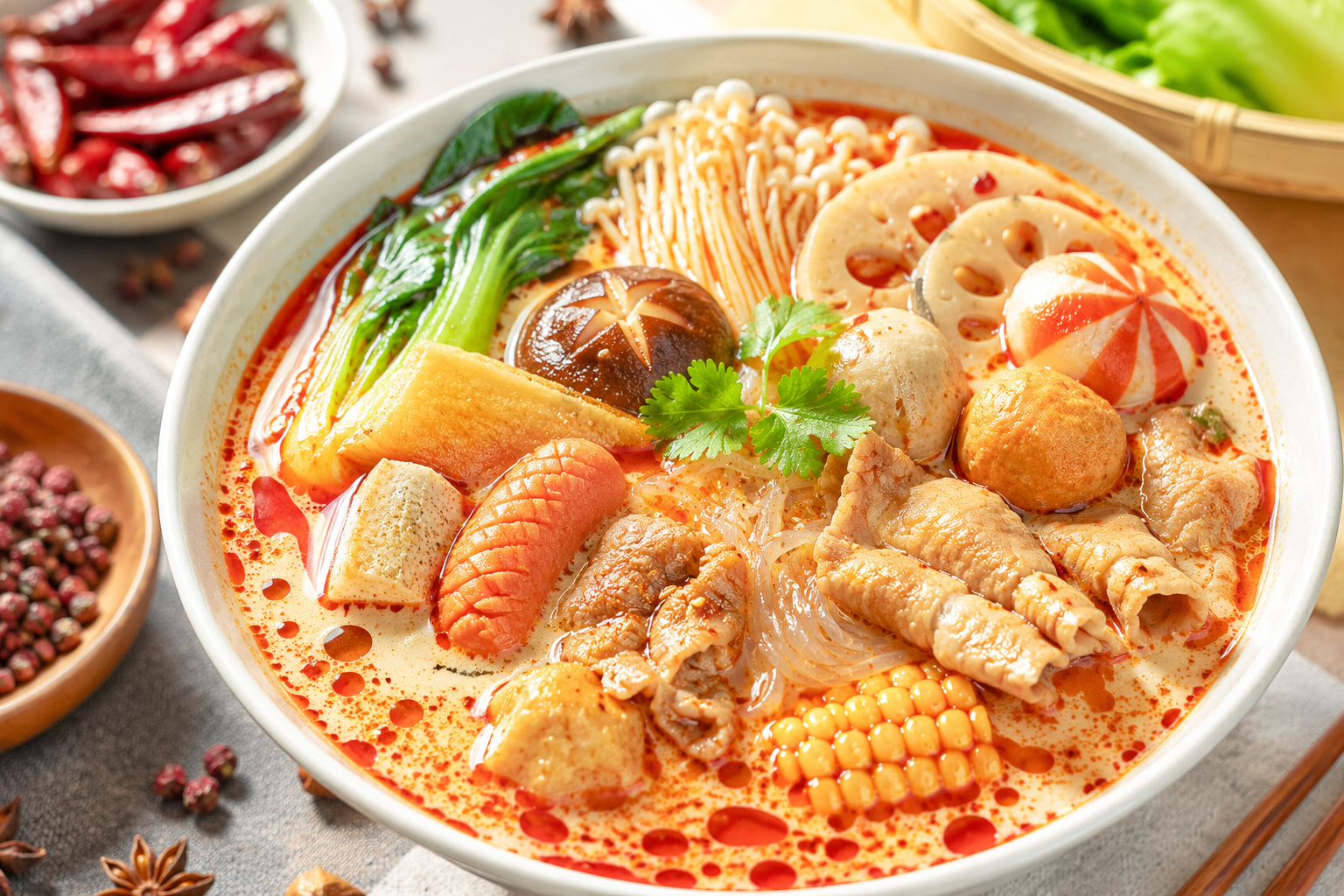
GuideWhy Malatang Is Growing in Japan | Seizing the Product Opportunity
An overview of why malatang (spicy hot soup) is gaining traction in Japan and why now is the ideal time to develop your own product. Covers the shift from Chinese communities to mainstream Japanese demand, plus the challenge of reproducing authentic flavor at scale.
 Guide
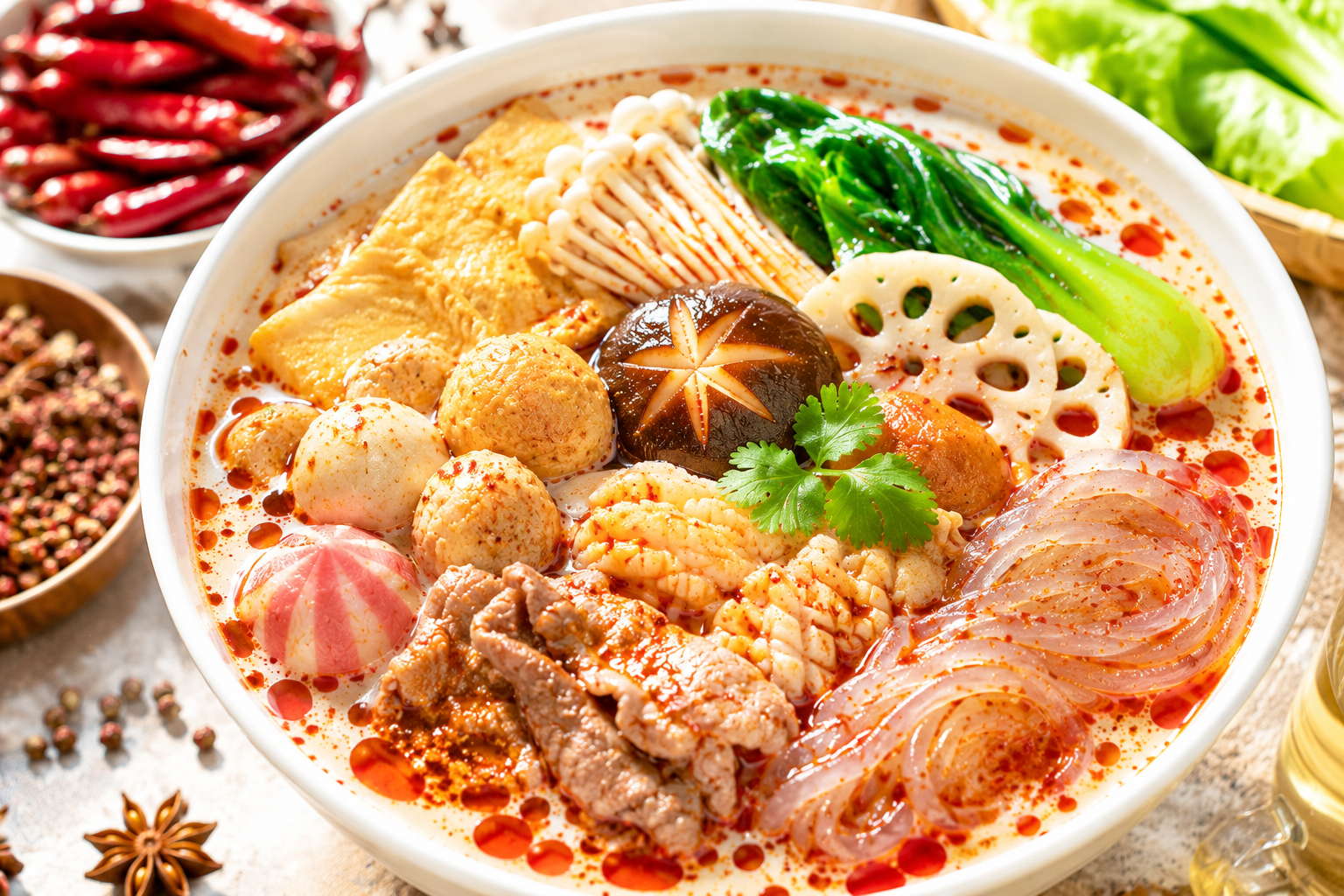
Guide3 Barriers to Overcome When Sourcing Authentic Malatang Soup
For businesses struggling to source malatang soup, this article breaks down three barriers—authentic flavor, Japanese taste preferences, and Japanese food regulations. It covers the criteria for selecting a foodservice malatang or OEM supplier and introduces a Japan-based support structure.
 Guide
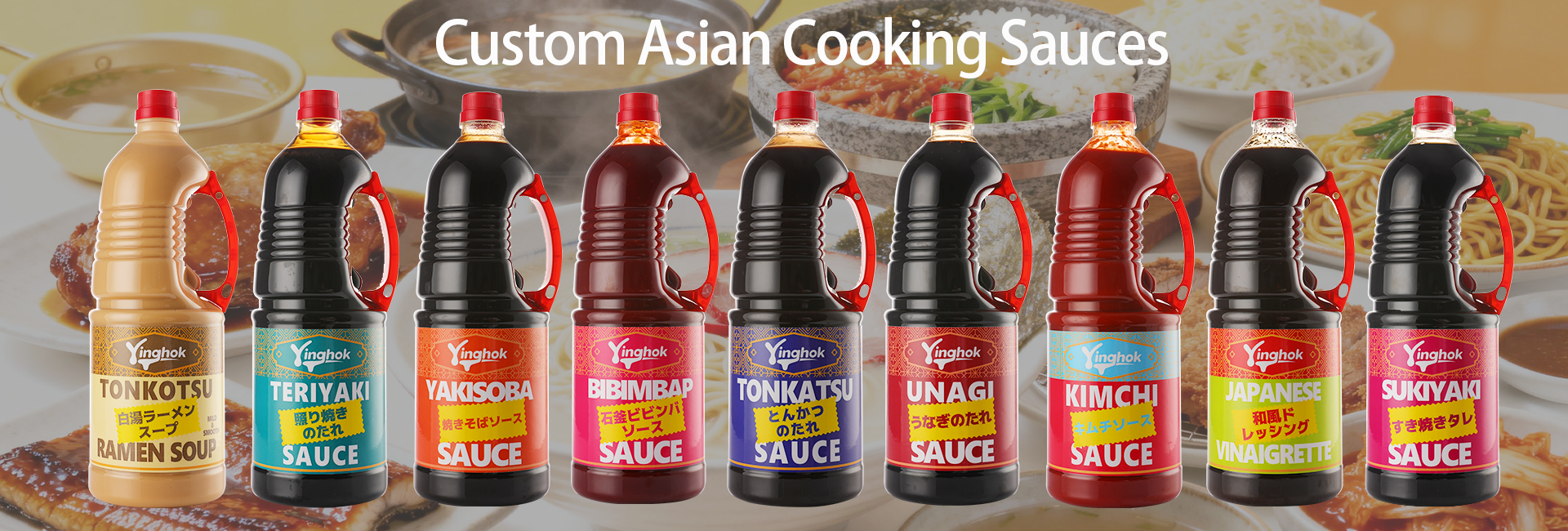
GuideCompound Seasoning OEM/Private Label: Bringing Your Own-Brand Seasonings to the World
A guide to developing compound seasonings via OEM/private label. Covers integrated production of sauces, tare, and soup bases, HALAL compliance, Japan-quality export capabilities, and key points from small-batch prototyping to mass production—written for B2B procurement professionals.