Why Malatang Is Growing in Japan | Seizing the Product Opportunity
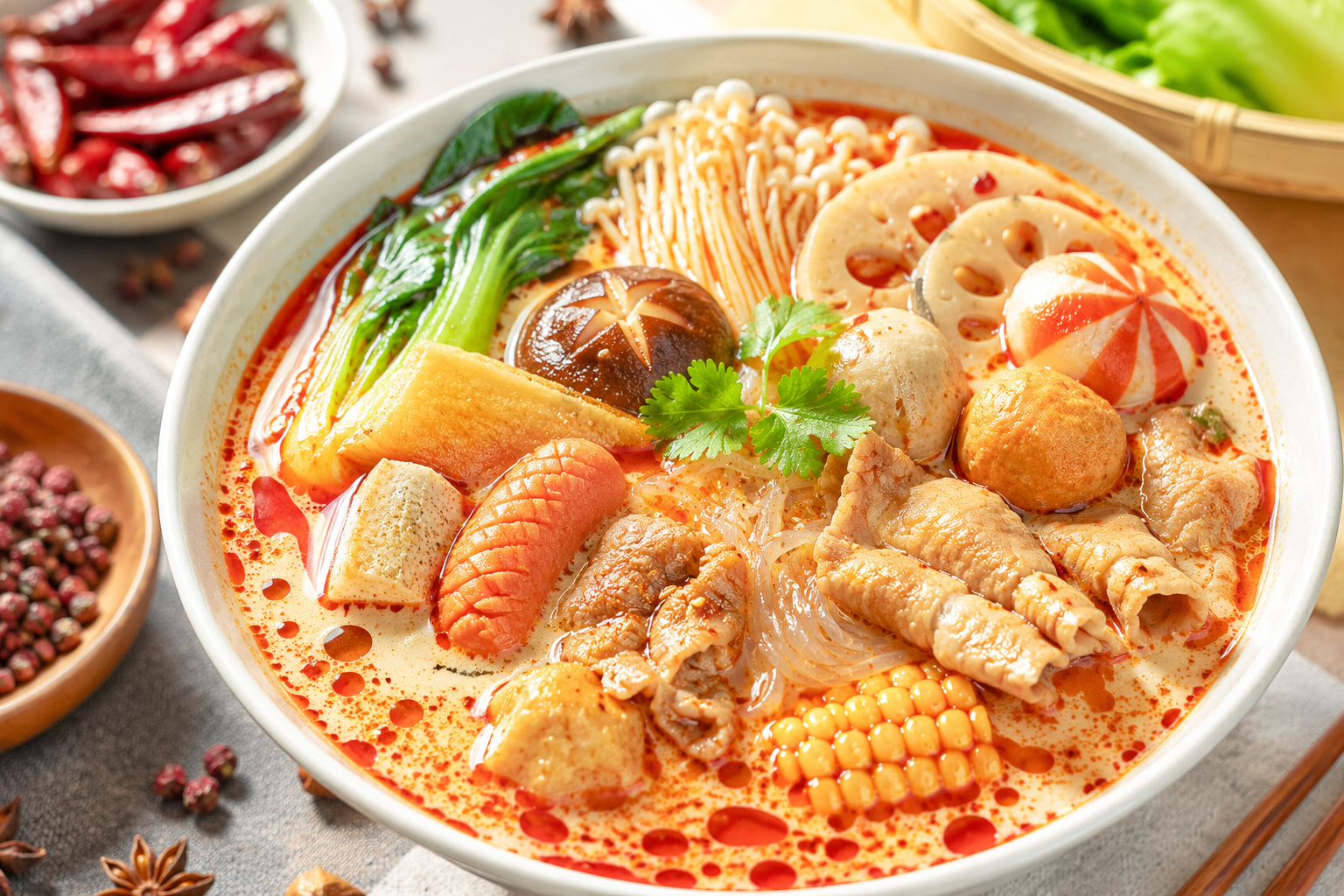
Why Is Malatang Growing in Japan? | Now Is the Time to Develop Your Own Product
For restaurants and OEM managers looking to develop or menu malatang (spicy hot soup), the market has entered a stage that cannot be ignored. Driven by a growing number of specialty restaurants and social media exposure, a dish once centered on Chinese communities is now reaching mainstream Japanese consumers. This article briefly explains why malatang is growing, why now is the time to develop a product, and the challenges of scaling up production.
A Trend Spreading from Chinese Communities to Mainstream Japanese Menus
Malatang was originally popular primarily within Chinese communities in Japan. Its appeal lies in the high degree of freedom it offers—diners select their preferred ingredients and adjust the spiciness and numbing sensation. This interactive experience has resonated with younger Japanese consumers as well.
In recent years, specialty restaurants have increased, particularly in urban areas, with social media amplifying the trend. This customizable dining experience aligns well with the consumer trend of seeking a "bowl made just for me," and is drawing attention for its ability to drive repeat demand.
This expansion shows signs of establishing itself as a staple category rather than a passing fad. As a new pillar of "Asian soup dishes" following ramen and hot pot, it is attracting growing interest across the F&B and food industries.
That Is Precisely Why Now Is the Time to Own a Product
During a phase of market expansion, businesses that establish their own products early are better positioned to gain a competitive edge. Locking in your quality and flavor direction before awareness fully matures creates differentiation from later entrants.
For restaurants, this means establishing a signature menu item; for food manufacturers, it opens up a new category in both foodservice and retail. Designing a proprietary soup formulation makes flavor differentiation from competitors clear and defensible.
The Challenge: Reproducing Authentic Flavor at Scale
The appeal of malatang lies in its layered flavor—the complex numbing sensation of Sichuan pepper, the heat of chili, and the depth woven together by spices. The greatest challenge is reproducing this authentic flavor with consistent quality at scale, rather than through hand preparation at each location.
Relying on handmade production tends to cause flavor variation from lot to lot, making it unsuitable for multi-location rollouts or retail distribution. Conversely, a simplified formulation that sacrifices flavor consistency struggles to win the support of consumers seeking authenticity.
A practical solution to this challenge is partnering with a manufacturer experienced in Asian compound seasonings. With a system capable of handling everything from formulation design to mass production, it becomes easier to achieve both authentic flavor and stable supply. A realistic approach is to build around a foodservice malatang soup base, adjusting the level of spiciness and numbing sensation as well as compatibility with ingredients, then tailoring it to your own specifications.
Summary
Malatang (spicy hot soup) is a growth category expanding from Chinese communities to a mainstream Japanese staple. With awareness on the rise, now is the ideal time to own your own product. The key to success, however, lies in how consistently you can reproduce authentic flavor at scale.
Nakano Foods (YINGHOK), with its strengths in Asian compound seasonings, leverages its expertise in developing hot pot soups and various sauces to support foodservice malatang soup bases—from formulation development through packaging. Please also see our related articles on hot pot soups and compound seasonings.
Request a free sample
Try our products with a free sample. Feel free to get in touch.
Request a sampleRelated Articles
 Guide
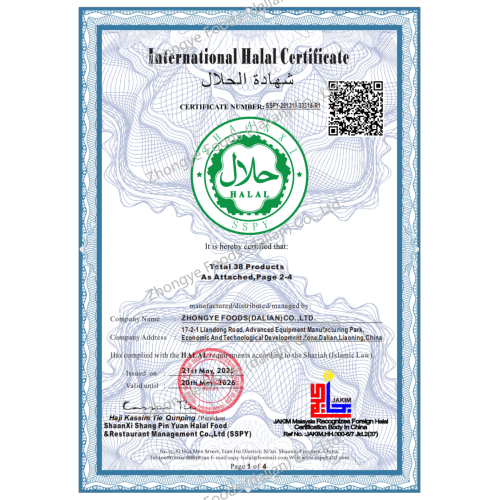
GuideThe Complete Guide to Halal-Compliant Japanese Sauces & Seasoning OEM
For food manufacturers, trading companies, and exporters considering halal Japanese sauce OEM, this guide explains how to design and select products that bring authentic Japanese flavors—such as yakiniku sauce and teriyaki—to Muslim markets.
 Guide
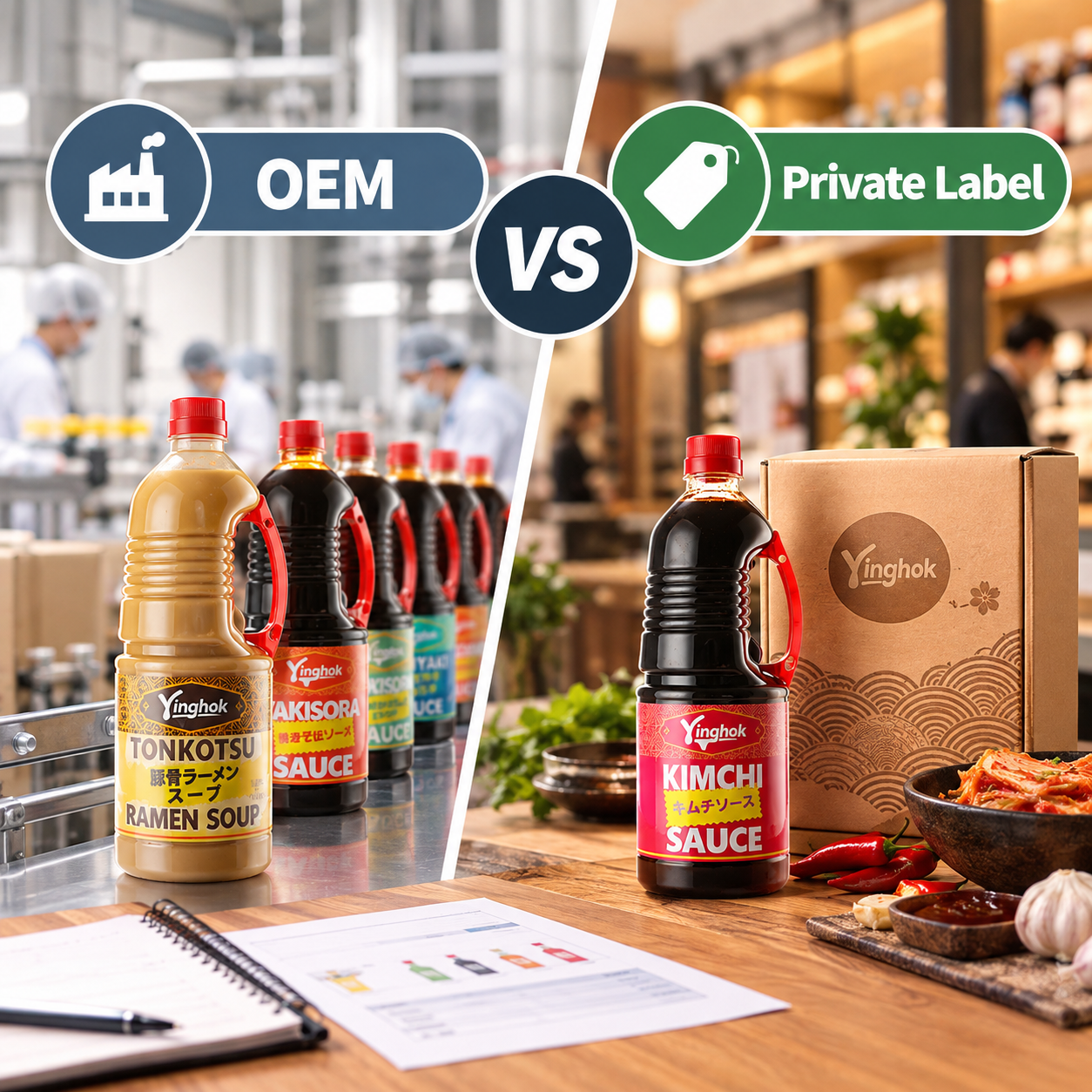
GuideHow to Turn Malatang into a Retort Pouch Product | The OEM Process
A guide for food manufacturers and trading companies exploring retort pouch products for malatang. From flavor standardization and mass-production consistency to regulatory compliance and shelf-life design, we outline the OEM process and the soup base that is key to success, all from a practical standpoint.
 Guide
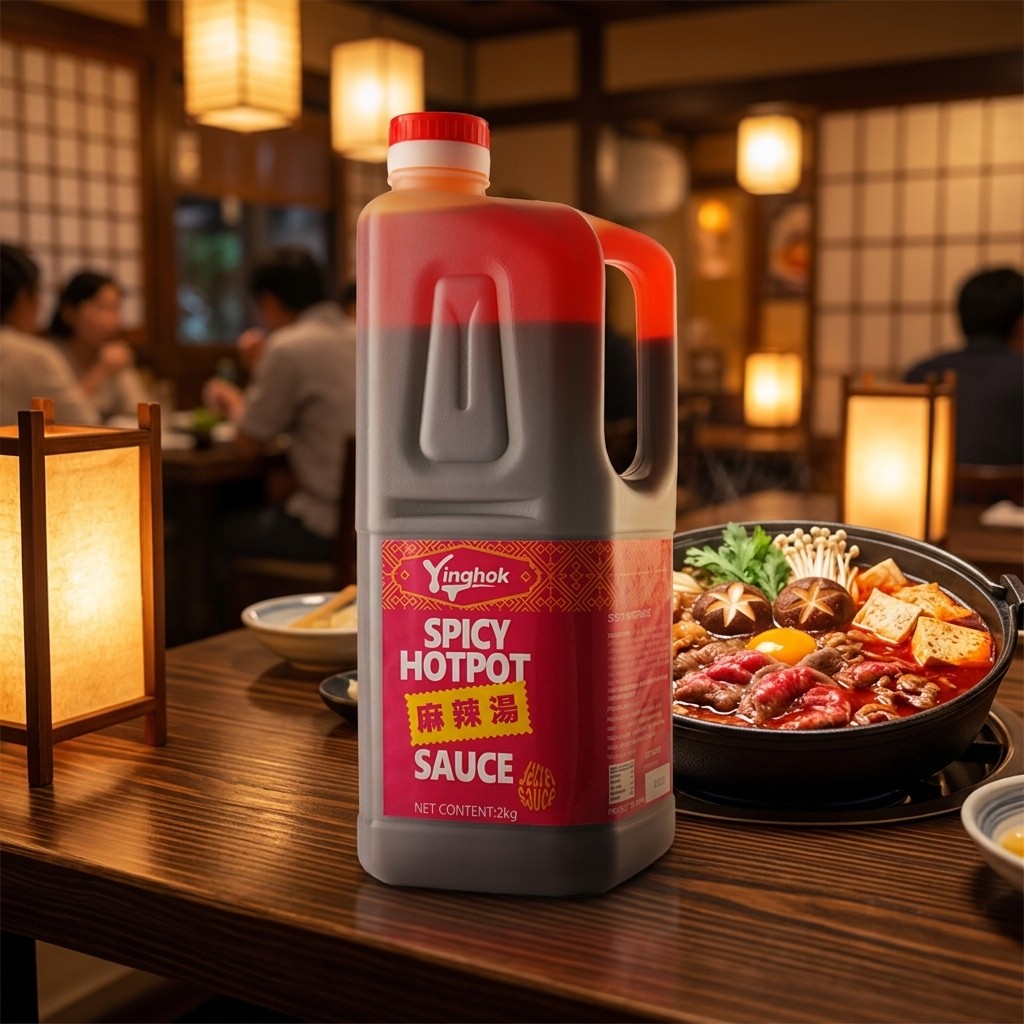
GuideFood Regulation Guide for Selling Mala Tang in Japan
A guide to the food regulations governing mala tang. This article covers the positive list system for food additives, differences between Japanese and Chinese standards, key points on preservatives and labeling rules, and how designing products to comply with regulations from the start reduces rework in import and sales.