Reducing Malatang OEM Costs: The Concentrated Soup Option
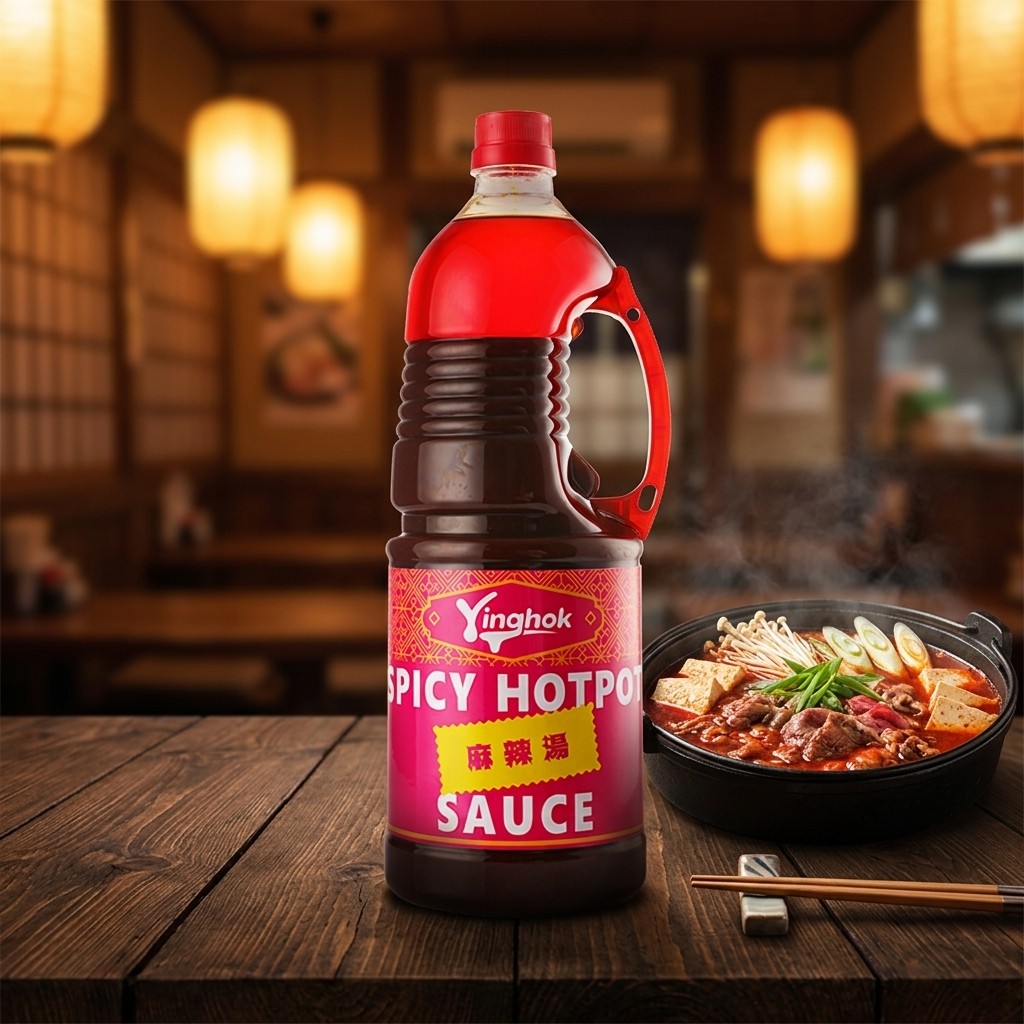
Reducing Malatang OEM Costs: The Concentrated Soup Option
For restaurants and manufacturers looking to launch malatang as a new product, the first hurdle is often "cost." Delivering authentic flavor can drive up seasoning costs, and in many cases the numbers simply don't add up. This article takes a practical look at concentrated soup base as a realistic way to reduce malatang OEM costs.
Why Malatang OEM Costs Add Up
Malatang soup is a compound seasoning that combines many ingredients—chili peppers, Sichuan peppercorns, spices, and oils. The more authentic the flavor, the more ingredients are involved, and the more complex the prep process becomes.
Cooking the broth from scratch in-house offers great flexibility in flavor, but ingredient loss and prep time drive up costs. When you plan for multi-location expansion or mass production, these factors accumulate and eat into profits.
This is where it makes sense to consider a different approach: sourcing a food-service soup base with a pre-engineered flavor profile through OEM, and running dilution-focused operations at the store or on the production line.
Three Reasons Concentrated Soup Base Lowers Ingredient Costs
1. Less Product Used Means Lower Ingredient Costs
Concentrated soup base (for example, a 5x concentrate) is diluted with water or hot water at the point of use. Because less base is required per serving, it's easier to keep per-unit seasoning costs down.
Since the flavor profile is fully engineered during production, flavor inconsistency at the store level is also less likely.
2. Lighter Storage and Transportation Burden
Concentrate takes up a more compact volume for the same number of servings. It's less likely to strain storage space, and it improves efficiency per shipment.
While this depends on storage conditions such as refrigerated or ambient, reducing the inventory management burden is a meaningful advantage that chain operations can't afford to overlook.
3. Reduced Prep Labor
With dilution-based operations, you can eliminate much of the process of measuring and heating multiple ingredients. Shorter prep time translates directly into lower labor costs.
Cost Design Is the Key to OEM Success
The true value of a concentrated soup base lies in its ability to target reductions across three fronts at once—ingredient cost, storage, and prep. Rather than looking at unit price alone, it's essential to compare based on total cost, including operations.
Specifically, run the numbers by laying out cost per serving after dilution, monthly usage volume, inventory turnover, and prep labor hours side by side. This makes post-implementation profitability visible in advance.
When selecting an OEM partner, another key consideration is whether the compound seasoning manufacturer is willing to work through this kind of cost design with you.
YINGHOK provides OEM/ODM support for food-service soup bases for malatang and hot pot—covering everything from formulation development, including concentrated types, to packaging. We also accommodate small-lot trial production, so you can start by comparing options through cost estimates and samples.
Summary
Concentrated soup base is a strong option for reducing malatang OEM costs. Its low usage volume helps control ingredient costs while also easing the burden of storage, transportation, and prep. The key to success is designing around total cost per serving after dilution—not unit price.
If you want to balance authentic flavor with profitability, choose an OEM partner you can consult with from the cost design stage. For guidance on selecting hot pot soup bases, be sure to check out our related articles as well.
Request a free sample
Try our products with a free sample. Feel free to get in touch.
Request a sampleRelated Articles
 Guide
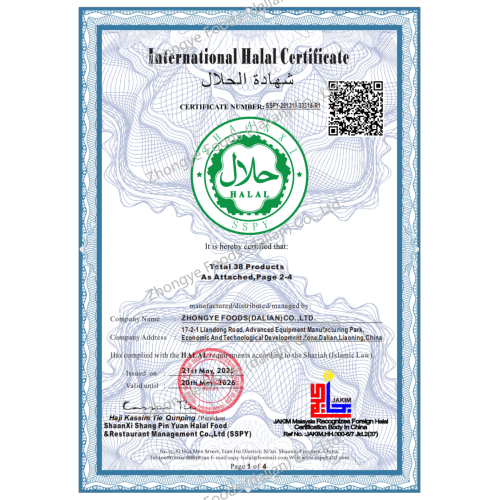
GuideThe Complete Guide to Halal-Compliant Japanese Sauces & Seasoning OEM
For food manufacturers, trading companies, and exporters considering halal Japanese sauce OEM, this guide explains how to design and select products that bring authentic Japanese flavors—such as yakiniku sauce and teriyaki—to Muslim markets.
 Guide
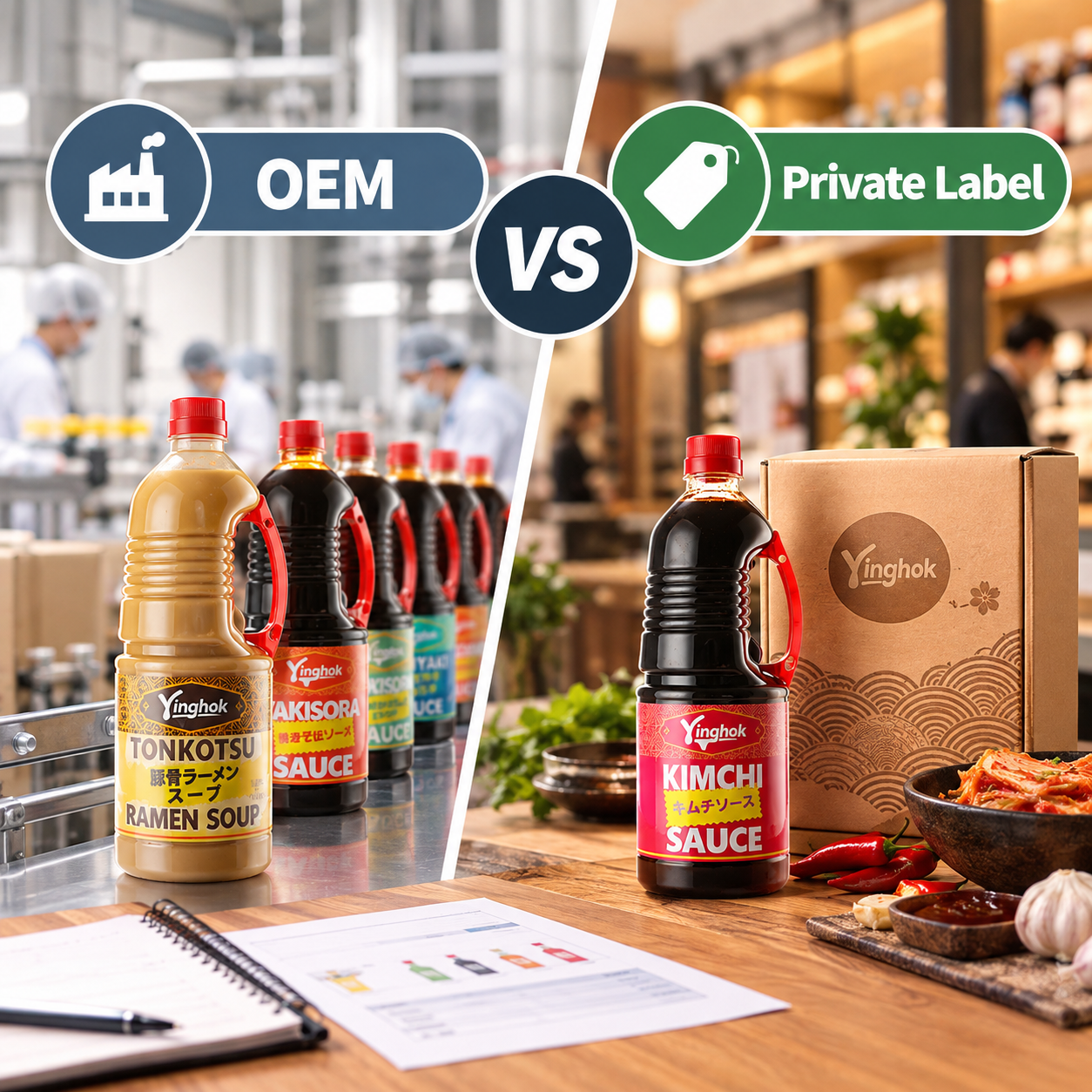
GuideHow to Turn Malatang into a Retort Pouch Product | The OEM Process
A guide for food manufacturers and trading companies exploring retort pouch products for malatang. From flavor standardization and mass-production consistency to regulatory compliance and shelf-life design, we outline the OEM process and the soup base that is key to success, all from a practical standpoint.
 Guide
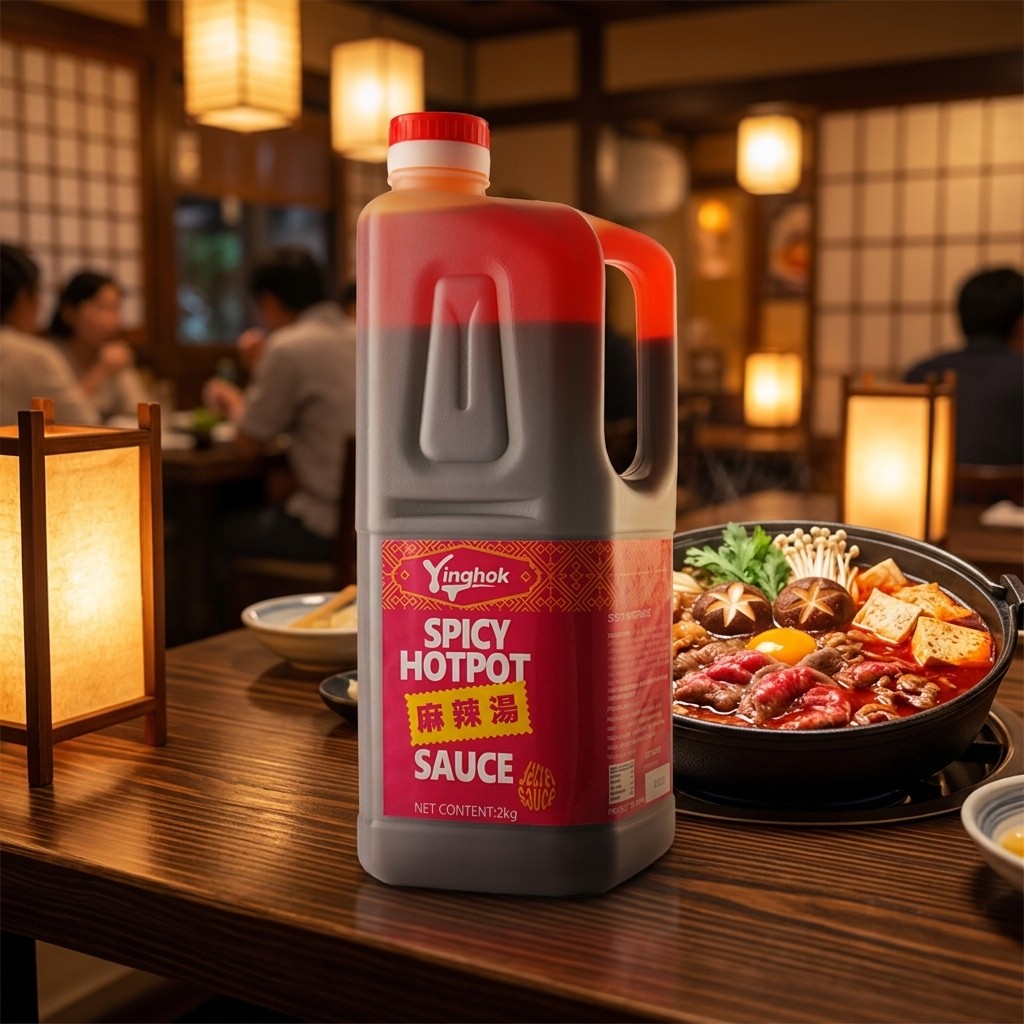
GuideFood Regulation Guide for Selling Mala Tang in Japan
A guide to the food regulations governing mala tang. This article covers the positive list system for food additives, differences between Japanese and Chinese standards, key points on preservatives and labeling rules, and how designing products to comply with regulations from the start reduces rework in import and sales.