Food Regulation Guide for Selling Mala Tang in Japan
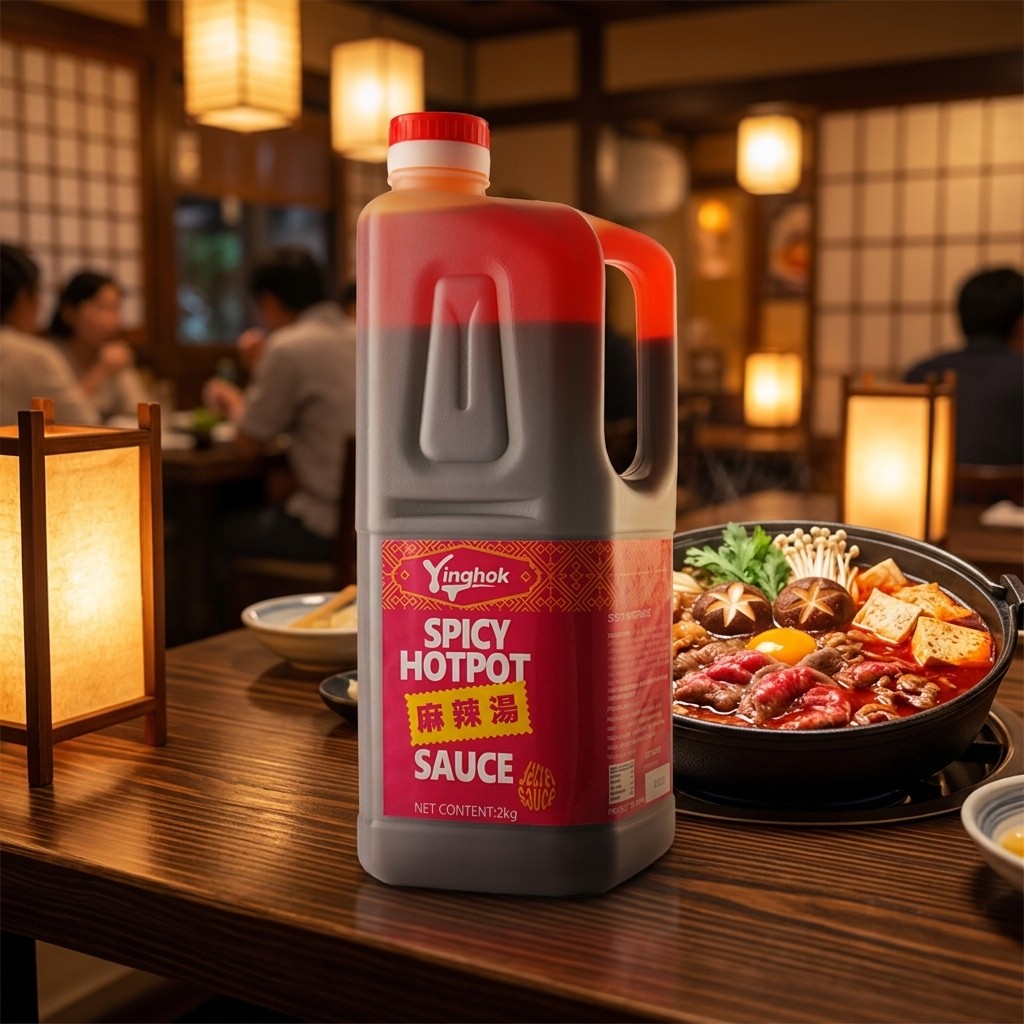
Food Regulation Guide for Selling Mala Tang in Japan
Mala tang is gaining popularity in Japan, and food manufacturers, trading companies, and foodservice chains are increasingly considering commercialization and OEM outsourcing. At the same time, attempting to import and sell Chinese-origin compound seasonings as-is often leads to challenges with food regulations. This article organizes the key points on food additives, preservatives, and labeling rules that you need to address when handling mala tang in Japan, from the perspective of procurement and purchasing professionals.
The First Points to Check in Mala Tang Food Regulations
Mala tang soup uses chili peppers, Sichuan pepper, and a wide variety of spices, along with compound seasonings that balance umami and color. This "complexity of formulation" is a key factor that makes compliance with Japanese food regulations difficult.
In Japan, food additives are governed in principle by a "positive list system," under which only additives designated by the government may be used. Additives not on the list cannot, in principle, be used or sold. For products that combine numerous ingredients, such as mala tang, it is necessary to verify whether each individual additive is permitted in Japan.
In addition, imported products require verification tracing back to the origin of raw materials. Compared with designing a product from scratch domestically, bringing in an existing overseas formulation as-is tends to increase the verification workload.
Food Additives: Beware of Differences Between Japanese and Chinese Standards
Food additive designations and usage standards differ from country to country. Additives commonly used in China may not be included in Japan's positive list, or the applicable foods and maximum usage levels may differ.
If such discrepancies come to light during inspection after import or at the sales stage, they lead to rework such as reformulation or label revisions. Building formulations on the premise of Japanese standards from the early design stage ultimately proves to be the fastest route.
The Pitfalls of Preservatives and Labeling Rules
Mala tang soup is distributed in liquid or paste form in large volumes, and preservatives may be considered to maintain quality. However, the permitted types, applicable foods, and usage levels of preservatives are strictly defined, and the preservative you intended to use may not be permitted. In practical terms, shelf stability should be designed together with sterilization methods and packaging formats.
On the labeling side, compliance with Japanese food labeling rules—such as the order of ingredient names, allergen labeling, and the inclusion of additive function names—is a prerequisite for sale. Labels intended for overseas markets cannot be reused as-is, and accurate labeling design in Japanese is essential.
By building formulation, shelf-stability design, and labeling to meet Japanese regulations from the outset, you can reduce troubles and design rework during import and sales.
Summary
To sell mala tang in Japan, the key points are the food additive positive list, the differences between Japanese and Chinese standards, the permissibility of preservatives, and compliance with food labeling rules. Rather than bringing in an existing overseas formulation as-is, designing products on the premise of Japanese standards minimizes rework in import and sales.
Nakano Foods (YINGHOK), which provides OEM/ODM for Asian compound seasonings, welcomes consultations on formulation design for mala tang soups and hot pot soups aimed at the Japanese market. Please also see our related article explaining key points for selecting ramen soups and hot pot soups.
Request a free sample
Try our products with a free sample. Feel free to get in touch.
Request a sampleRelated Articles
 Guide
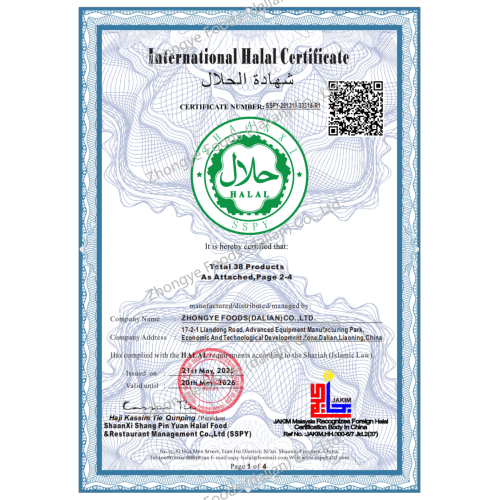
GuideThe Complete Guide to Halal-Compliant Japanese Sauces & Seasoning OEM
For food manufacturers, trading companies, and exporters considering halal Japanese sauce OEM, this guide explains how to design and select products that bring authentic Japanese flavors—such as yakiniku sauce and teriyaki—to Muslim markets.
 Guide
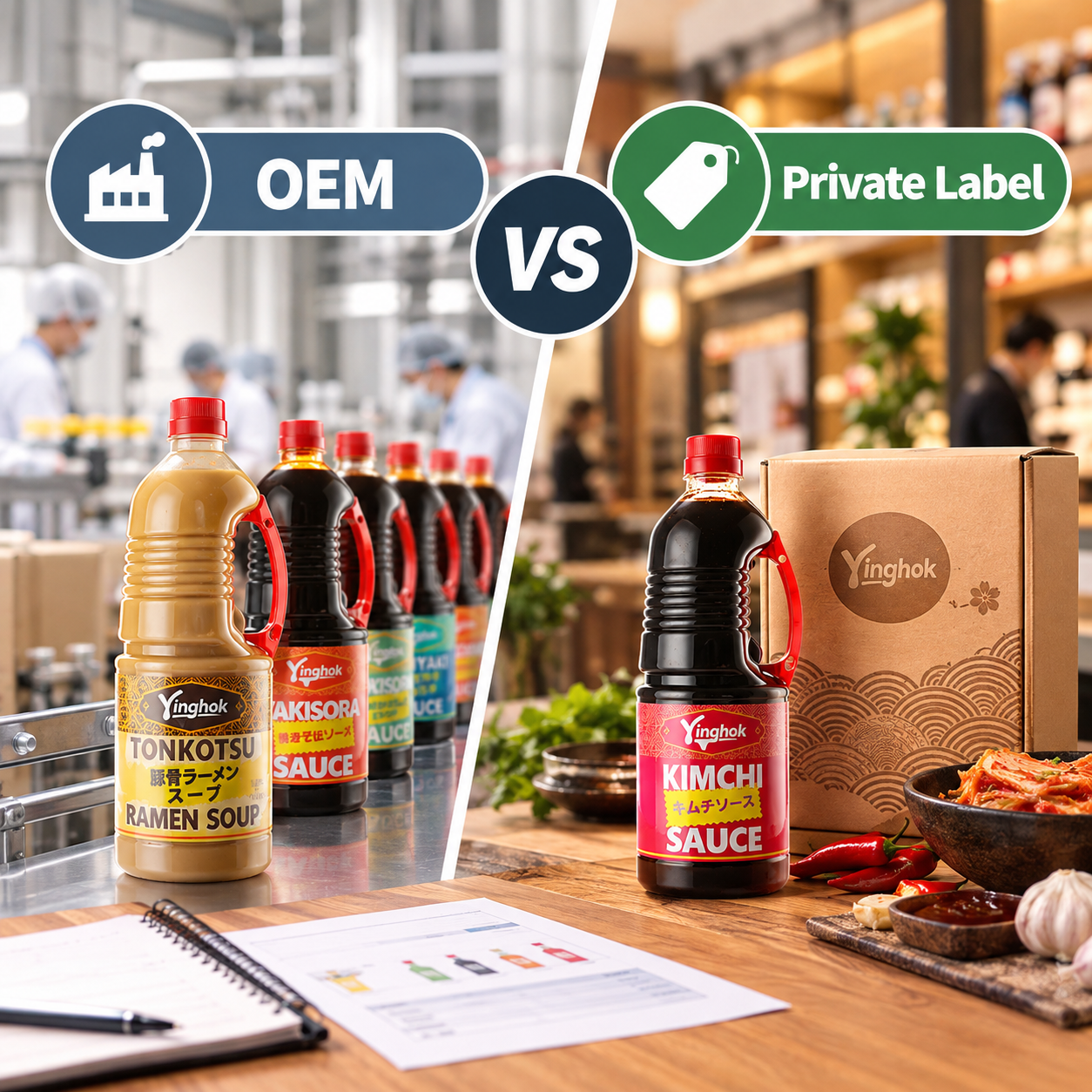
GuideHow to Turn Malatang into a Retort Pouch Product | The OEM Process
A guide for food manufacturers and trading companies exploring retort pouch products for malatang. From flavor standardization and mass-production consistency to regulatory compliance and shelf-life design, we outline the OEM process and the soup base that is key to success, all from a practical standpoint.
 Guide
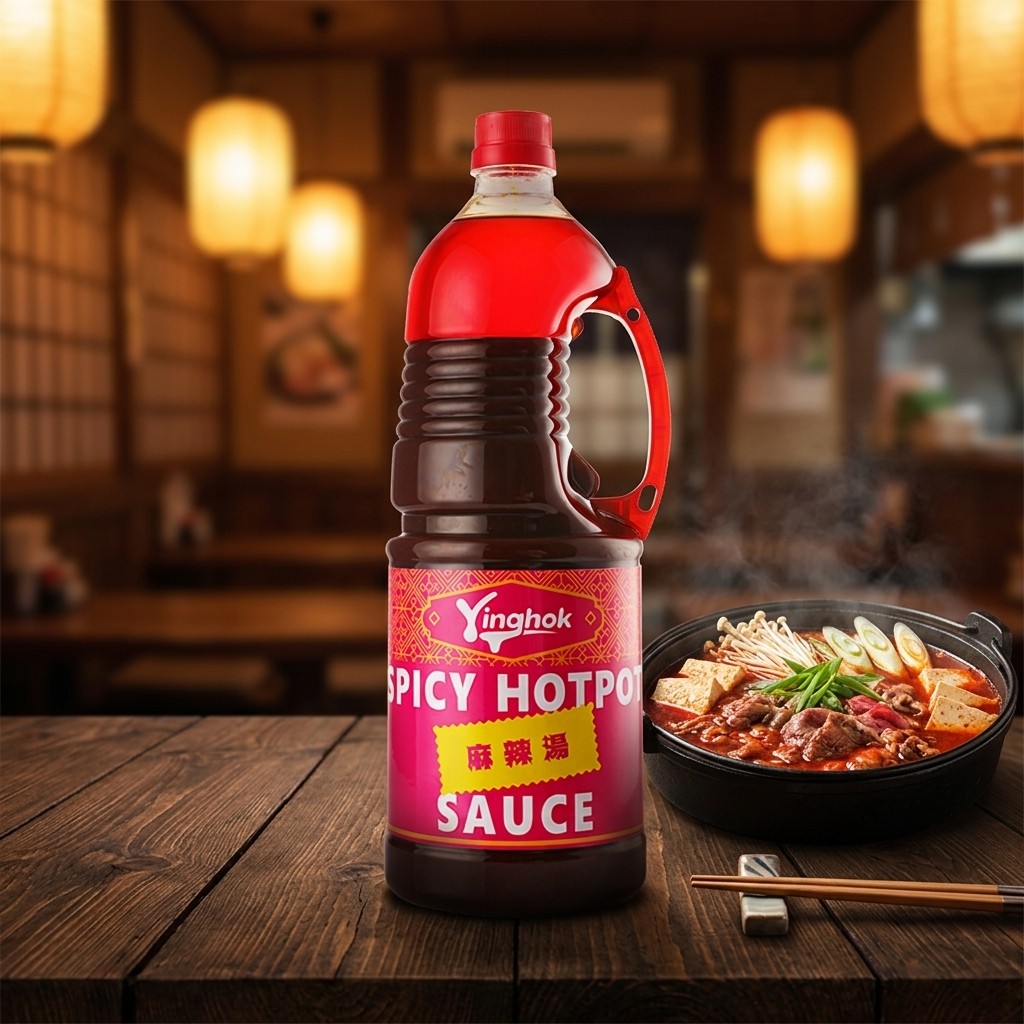
GuideReducing Malatang OEM Costs: The Concentrated Soup Option
The key to reducing malatang OEM costs is leveraging concentrated soup base. This article explains, from a practical standpoint, how it cuts costs across three fronts—ingredient cost, storage, and prep—along with key points for cost design.