The True Nature of Malatang Flavor: Designing "Numbing" and "Heat" Separately
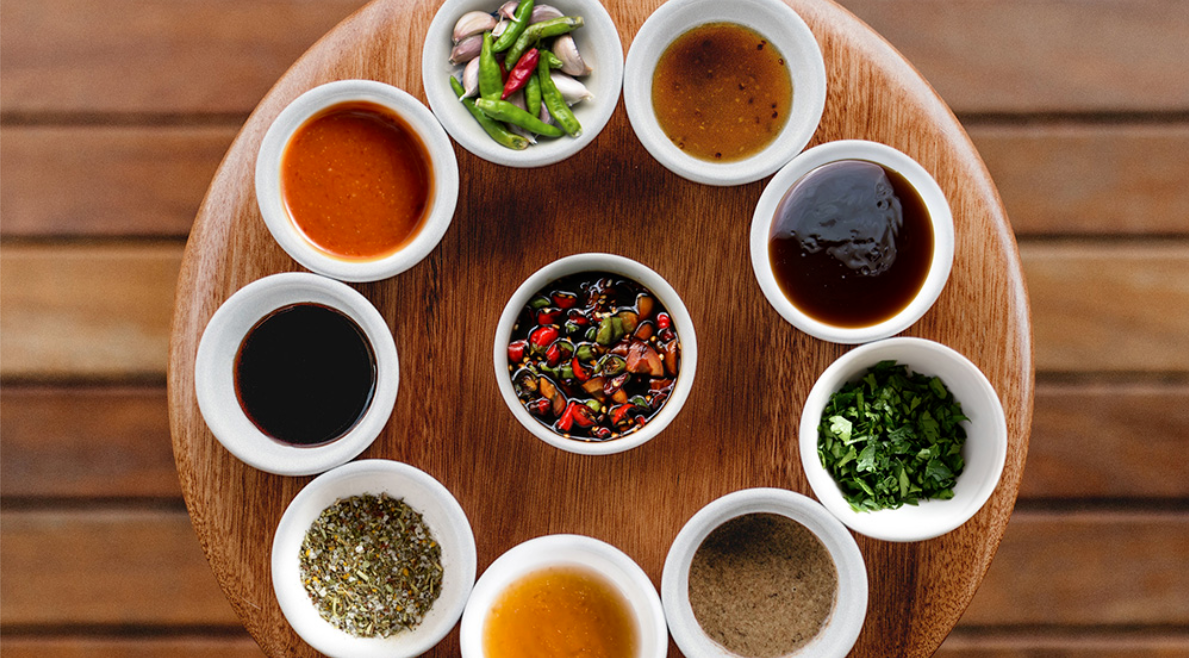
The True Nature of Malatang Flavor: Designing "Numbing" and "Heat" Separately
When commercializing malatang as a product or putting it on a menu, many operations capture its flavor solely through "heat." Yet malatang's distinctive character lies in the unique "numbing" sensation that precedes the heat. In this article, we break malatang flavor down into "numbing" and "heat," organizing it in a way that food service operators, food manufacturers, and OEM managers can readily apply to their designs. Understanding the flavor structure lets you make adjustments without drifting from your intended direction.
Mala = "Ma" (Numbing) × "La" (Heat)
The word "mala" is itself a blueprint for flavor design. "Ma" refers to the numbing sensation and "la" to the heat. These two derive from entirely different ingredients and register on the palate in entirely different ways.
The numbing sensation comes from Sichuan pepper (huajiao), a relative of Japanese sansho pepper. The distinctive tingling that makes the tip of the tongue quiver is perceived through a completely different pathway than chili heat. The heat, on the other hand, comes from chili peppers. The warmth that gradually spreads across the throat and the back of the mouth cannot be produced by Sichuan pepper.
If you lump these two together as simply "spicy," adjustment becomes difficult—because you cannot isolate whether the numbing is too strong or the heat is too pronounced. Building malatang flavor begins with considering "ma" and "la" separately.
Separating the Two Makes Adjustment and Replication Easier
The greatest benefit of breaking flavor into two axes is the increased reproducibility and freedom of adjustment.
For example, if you want to "bring the numbing forward a bit more," you adjust the Sichuan pepper blend; if you want to "reduce only the heat," you adjust the amount of chili—each moved independently. When treated as a single "spiciness," changing one axis inadvertently shifts both, and you never land on the flavor you were aiming for.
When developing for the Japanese market, you should anticipate consumer segments less familiar with the numbing sensation. Adjustments such as toning down the numbing while bringing the heat and umami forward are straightforward once you think in two axes. The strength of this decompositional approach is the ability to map out the balance of "ma" and "la" differently for each target audience.
Depth Is Determined by the Paitang Base and the Layering of Spices
If numbing and heat form the framework, the foundation that supports them is the depth of the base. Malatang's dimensionality emerges from the paitang base and the layering of multiple spices.
The paitang base provides mellow umami and body, enveloping the stimulation of numbing and heat. Layering spices such as star anise, cinnamon, and clove on top creates a complex, lingering finish that never becomes monotonous. Even with identical heat and numbing, changing the depth of the base dramatically alters the impression.
In other words, designing malatang is the work of assembling three elements—"numbing," "heat," and "depth"—like building blocks. When you can adjust all three independently, you can craft flavors tailored to the goals of each location and each product.
Summary
Malatang flavor is composed of the "numbing" from Sichuan pepper, the "heat" from chili, and the "depth" created by the paitang base and spices. Designing these three elements separately makes adjustment and replication far easier. Separating "ma" and "la" is the first step toward achieving the malatang you envision.
Nakano Foods (YINGHOK) provides end-to-end support for mala bases and hot pot soups, from formulation development through mass production. As a related article, please also see our breakdown of hot pot soup design.
Request a free sample
Try our products with a free sample. Feel free to get in touch.
Request a sampleRelated Articles
 Guide
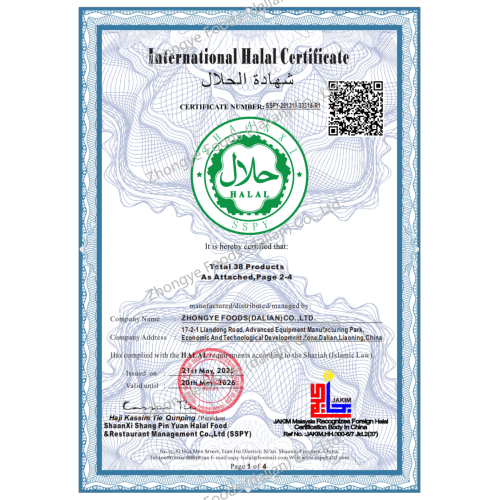
GuideThe Complete Guide to Halal-Compliant Japanese Sauces & Seasoning OEM
For food manufacturers, trading companies, and exporters considering halal Japanese sauce OEM, this guide explains how to design and select products that bring authentic Japanese flavors—such as yakiniku sauce and teriyaki—to Muslim markets.
 Guide
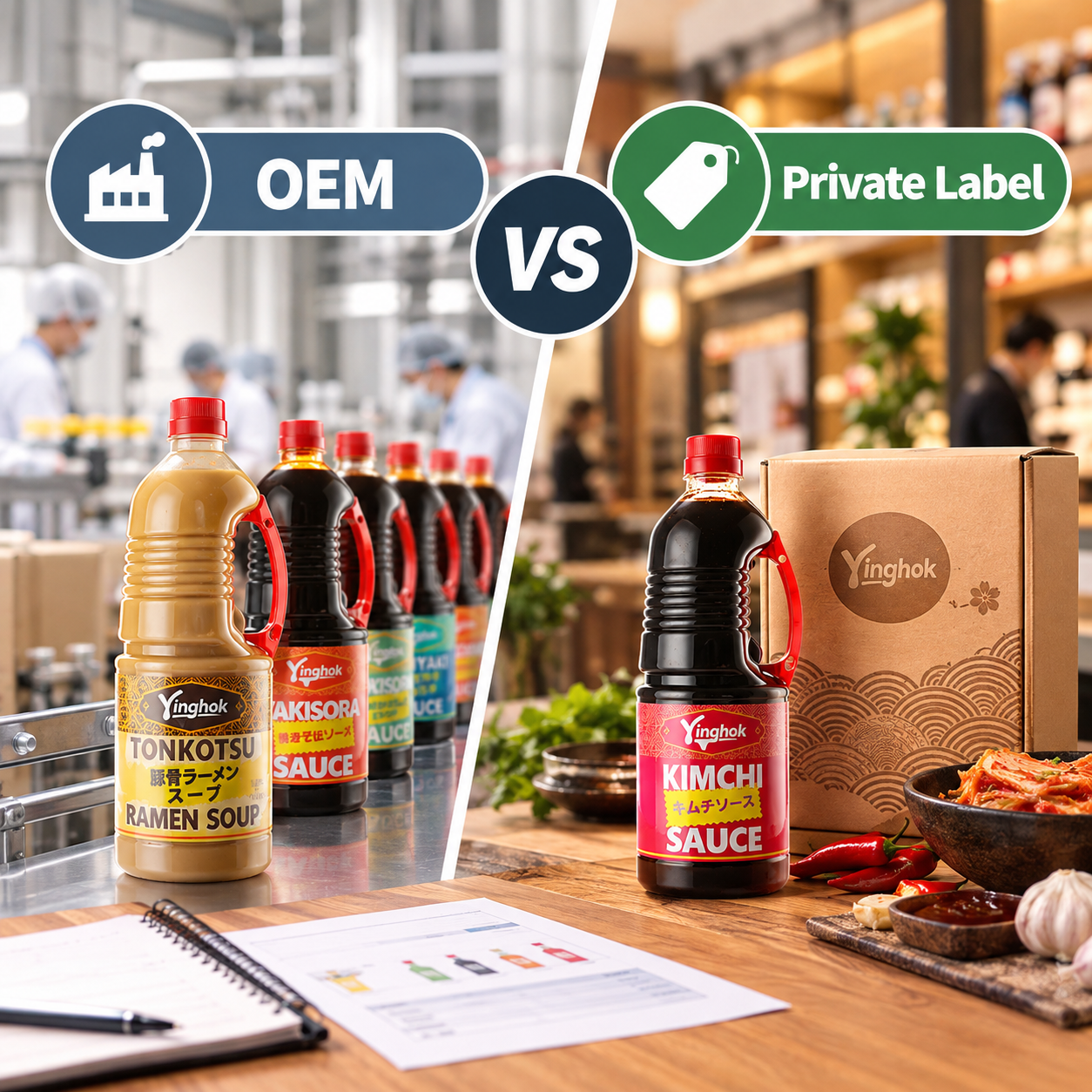
GuideHow to Turn Malatang into a Retort Pouch Product | The OEM Process
A guide for food manufacturers and trading companies exploring retort pouch products for malatang. From flavor standardization and mass-production consistency to regulatory compliance and shelf-life design, we outline the OEM process and the soup base that is key to success, all from a practical standpoint.
 Guide
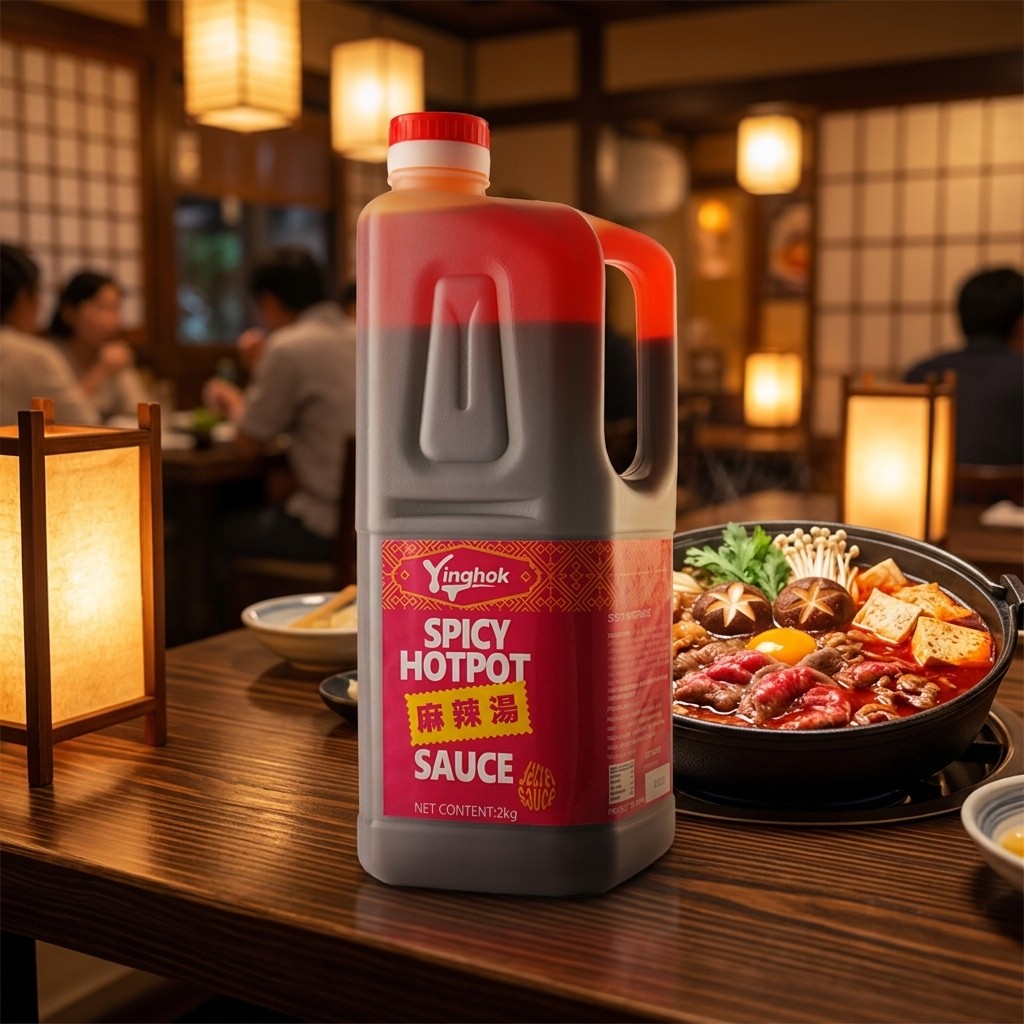
GuideFood Regulation Guide for Selling Mala Tang in Japan
A guide to the food regulations governing mala tang. This article covers the positive list system for food additives, differences between Japanese and Chinese standards, key points on preservatives and labeling rules, and how designing products to comply with regulations from the start reduces rework in import and sales.