How to Select HALAL-Certified Foodservice Seasonings: A Practical Guide to OEM Outsourcing
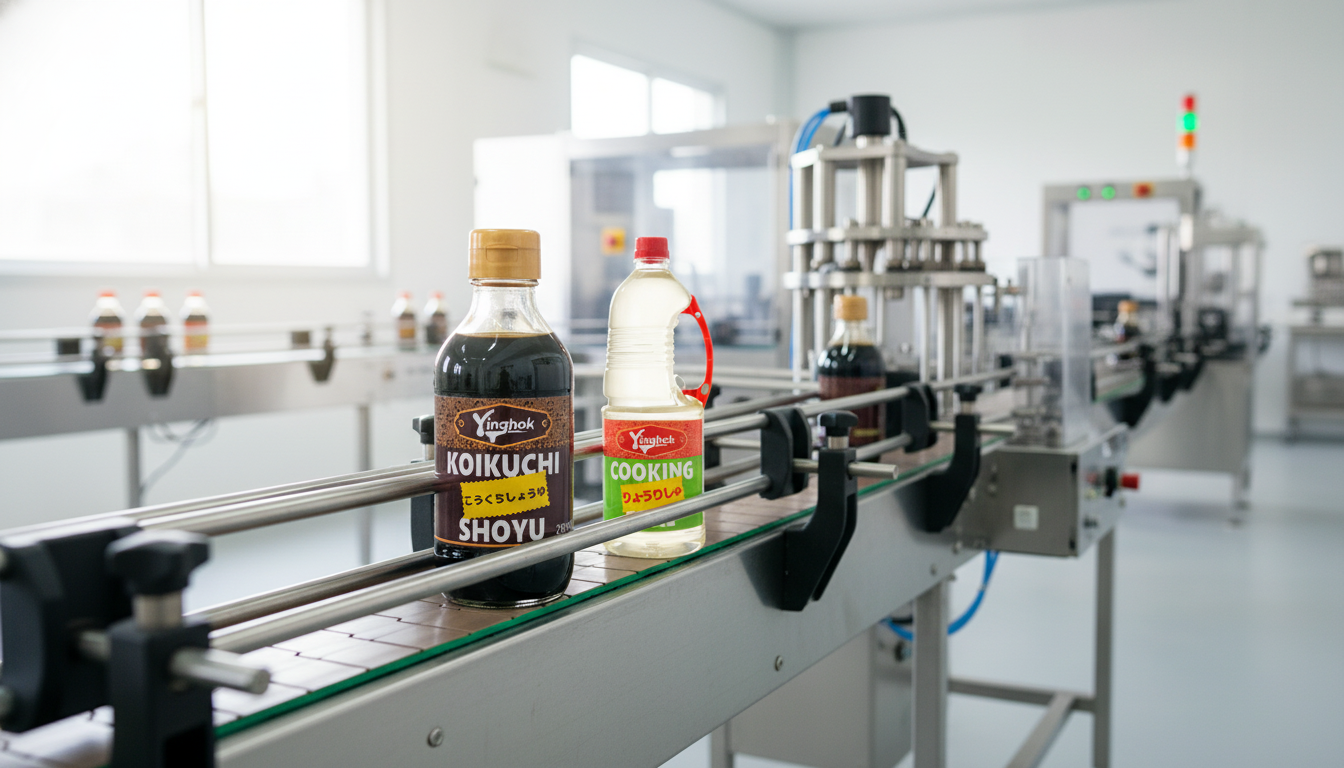
How to Select HALAL-Certified Foodservice Seasonings: A Practical Guide to OEM Outsourcing
As export demand and inbound tourism continue to grow, interest in HALAL-certified foodservice seasonings is rising rapidly. Yet HALAL compliance is often framed solely as a matter of religious accommodation, and it is rarely organized around practical business themes such as exports, market expansion, and multinational menu development.
This article outlines why HALAL certification matters in the seasoning industry and explains the key points to watch regarding ingredients, alcohol, and production processes. It also covers, from a practical standpoint, how to verify the scope of certification when outsourcing OEM seasonings and how this relates to quality management systems. Use it as a reference for supplier selection and product development decisions.
What Is HALAL Certification: Why It Matters in the Seasoning Industry
HALAL means "permissible" under Islamic law. In the food sector, it requires the absence of pork-derived ingredients and alcohol, as well as the use of ingredients processed according to prescribed methods. HALAL certification is a system in which a third-party body audits and certifies compliance with these standards.
Several practical factors drive the importance of this certification for foodservice seasonings. First is the expansion of exports to regions with large Muslim populations, such as the Middle East and Southeast Asia. Second is the need for restaurants to serve the growing number of Muslim travelers visiting Japan.
Seasonings are a core ingredient that defines the flavor of the final product, and even a single non-compliant item can render an entire product non-HALAL. As a result, securing certification at the seasoning stage often becomes a prerequisite for the entire sales channel.
Ingredients, Alcohol, and Production Processes to Watch for in Foodservice Seasonings
When designing HALAL-compliant seasonings, the key issues fall into three main categories: ingredients, alcohol, and production processes. Let's examine each in detail.
Key Points for Ingredient Verification
Pork-derived extracts, gelatin, and animal fats are typical items requiring attention. Even when chicken or beef is used, the processing method must comply with the standards. For animal-based seasonings such as ramen soup or hotpot soup, verifying the origin of ingredient extracts is especially important.
Additives such as flavorings, emulsifiers, and colorants also require verification of whether they are animal-derived. The need to scrutinize seemingly harmless secondary ingredients is what makes seasoning design challenging.
Handling of Alcohol
In fermented seasonings and certain sauces and tare, alcohol may be generated or added during the production process. HALAL standards define permissible limits for residual alcohol, making control at the formulation stage essential. For export-oriented seasonings, this is often a decisive factor in design.
Production Processes and Cross-Contamination
When non-HALAL products are manufactured on the same line, inadequate cleaning and segregation management can create a risk of cross-contamination. For this reason, certification typically audits production line operating rules and segregation systems as well.
Criteria for Selecting OEM Partners: Certification Scope and Quality Management
When outsourcing HALAL-compliant OEM seasonings, it is important to systematically compare not only price and flavor but also certification scope and management systems. Verifying the following points helps prevent mismatches.
- Scope of HALAL certification (product level or facility level)
- Raw material traceability management systems
- Export track record and number of countries served
- Availability of small-lot OEM and prototyping
- Development experience in seasoning categories (ramen soup, sauces, dressings, etc.)
- Status of quality certifications (HACCP, ISO, BRC, etc.)
A frequently overlooked aspect is the relationship between HALAL certification and general quality certifications. HALAL compliance is solely about meeting religious standards and does not guarantee hygiene or quality. The two must be understood as separate management systems.
In other words, a manufacturer that holds HACCP or ISO 22000 food safety management certifications in addition to HALAL can be expected to supply seasonings that meet both religious and quality standards. For exports, whether BRC or FDA compliance is in place can also be a deciding factor depending on the sales channel.
Development experience across seasoning categories is also a basis for comparison. The broader the range of categories a manufacturer can handle—ramen soup, hotpot soup, various sauces, sushi seasonings, dressings, and more—the easier it becomes to outsource product design for multinational menus and inbound markets as a single package.
Export and Inbound Case Examples and a Global Supply Network
HALAL compliance is already being put into practice by many export-oriented food manufacturers and restaurant chain headquarters. Representative examples include developing ramen soup and hotpot soup in HALAL specifications for the Middle East, and restaurant chains redesigning their menus for Muslim travelers.
Such global initiatives also require the backing of stable supply. For overseas expansion and large-scale chain supply, mass production capacity responsive to demand fluctuations and consistent quality are prerequisites.
With more than 30 flavor variations of ramen soup, the company can develop formulations tailored to diverse menu requirements, including HALAL specifications. The ability to outsource everything from small-lot prototyping to large-lot stable supply offers a practical advantage for food manufacturers in the export launch phase.
For Chinese-style restaurant chains where large-lot supply is the premise—such as hotpot soup—offering packaging variations like 1.8L PET containers and large foodservice bags enables supply designs aligned with store operations.
Conclusion: Design HALAL Compliance from the Upstream Seasoning Stage
HALAL-certified foodservice seasonings are a practical theme supporting exports, inbound tourism, and multinational menu development. The key to success is to address the three issues of ingredient origin, alcohol management, and production process segregation, and to design compliance from the upstream seasoning stage.
When selecting an OEM partner, systematically compare the scope of HALAL certification alongside quality certifications such as HACCP and ISO 22000, export track record, small-lot capability, and category development experience. A partner that meets both religious and quality standards can support market expansion in both overseas and inbound channels.
For OEM development of HALAL-compliant seasonings, certification feasibility, and sample requests, please feel free to contact us below.
Request a free sample
Try our products with a free sample. Feel free to get in touch.
Request a sampleRelated Articles
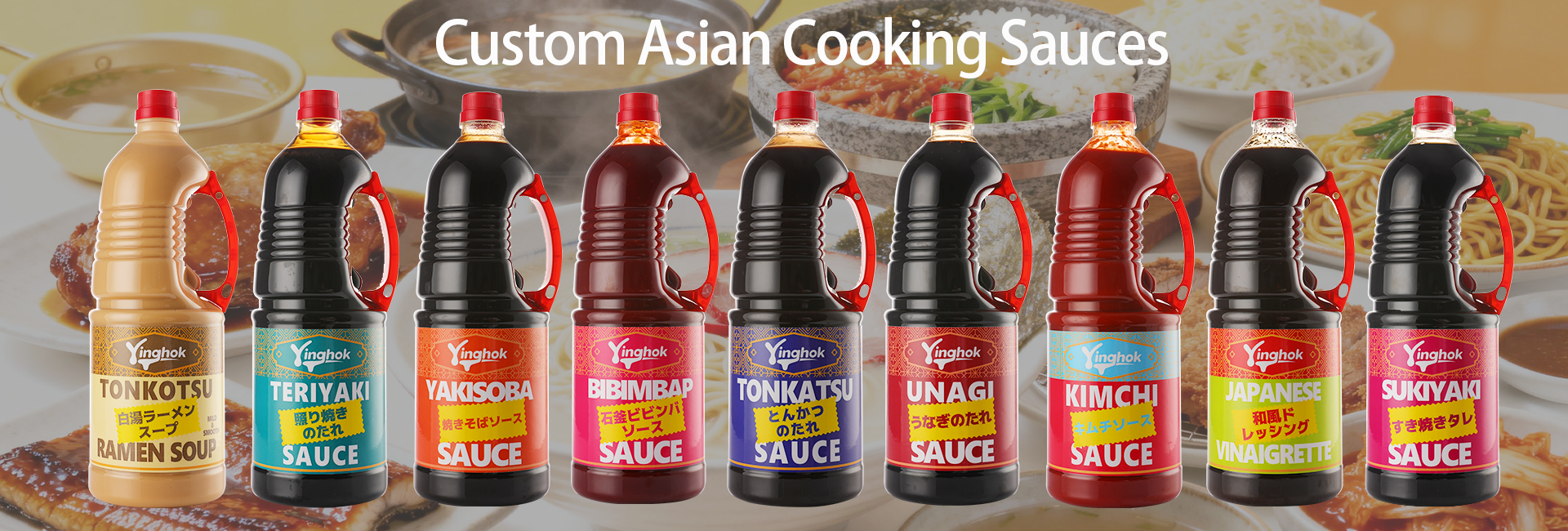 Guide
GuideCompound Seasoning OEM/Private Label: Bringing Your Own-Brand Seasonings to the World
A guide to developing compound seasonings via OEM/private label. Covers integrated production of sauces, tare, and soup bases, HALAL compliance, Japan-quality export capabilities, and key points from small-batch prototyping to mass production—written for B2B procurement professionals.
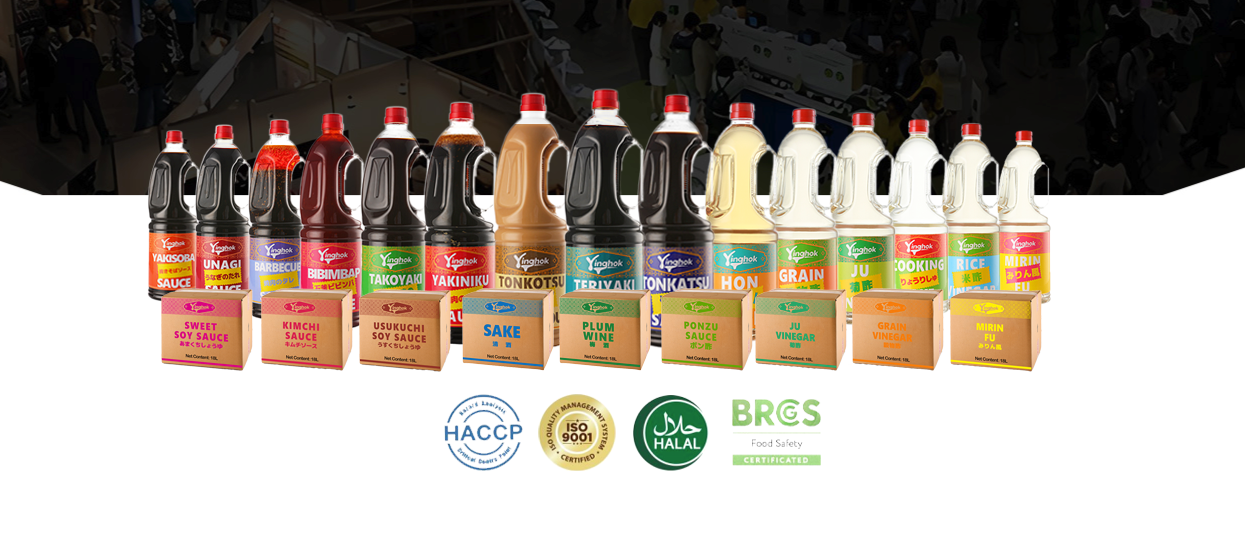 Guide
GuideNew Plant Boosts Reach from 50 to 100 Countries | Asian Seasoning OEM
A guide to Asian seasoning OEM/PB supply capabilities. Learn how Nakano Foods aims to expand from 50+ to 100 countries through its new plant—covering production capacity, certifications, and multinational flavor expertise for trading companies and product developers.
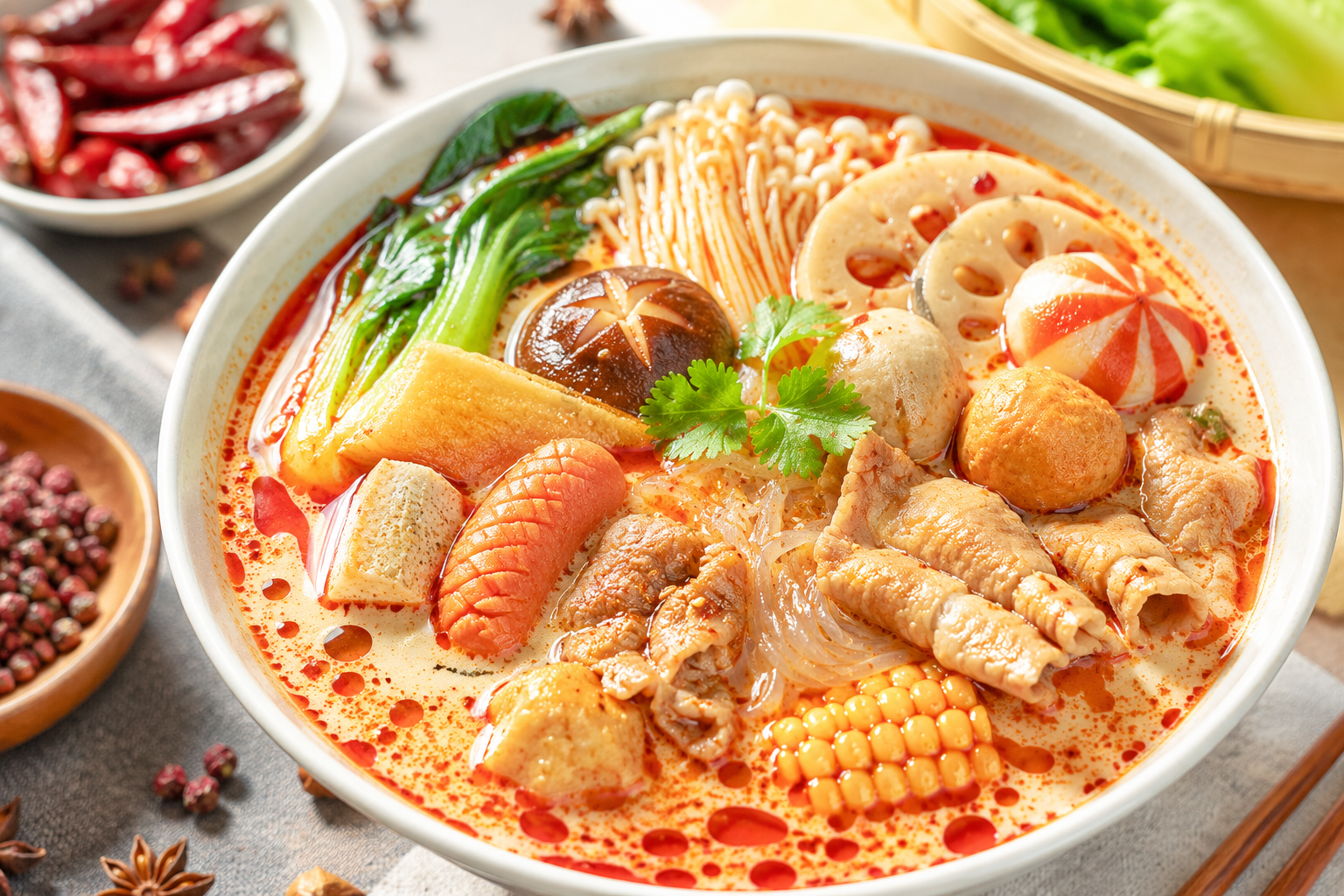 Guide
GuideStandardizing Flavor and Soup Base OEM: The Key to Private Labeling Mala Tang
The biggest hurdle in creating your own mala tang (spicy hot soup) product is flavor standardization. The key to reproducing a popular restaurant's taste at scale lies in the soup base. This article explains the essentials of OEM, private label, and retort-pouch production.