The Complete Guide to Halal-Compliant Japanese Sauces & Seasoning OEM
The Complete Guide to Halal-Compliant Japanese Sauces & Seasoning OEM
The number of Muslim visitors to Japan continues to rise, alongside domestic halal demand and the expansion of overseas Muslim markets. At the same time, the reality is that reliable sources for "authentic halal-compliant Japanese seasonings" remain limited. This article organizes the foundational knowledge and selection criteria for developing and sourcing halal Japanese sauces through OEM, tailored for professionals at food manufacturers, trading companies, and foodservice headquarters. We take a practical, hands-on approach to the design philosophy that reconciles "no compromise on flavor" with "halal compliance."
The Supply Gap in the Halal Japanese Sauce Market
The halal market continues to expand worldwide, and it is drawing attention within Japan as part of inbound tourism initiatives. What Muslim visitors to Japan seek is not simply something they are permitted to eat, but an authentic Japanese food experience—yakiniku, takoyaki, sushi, and more.
However, many Japanese seasonings have traditionally been formulated around alcohol, such as mirin and cooking sake, as well as animal-derived ingredients. As a result, existing recipes often cannot be repurposed as-is when halal certification is a prerequisite.
This very gap—between "authentic Japanese flavor" and "halal requirements"—is the fundamental cause of insufficient supply. Meeting the requirements without sacrificing flavor demands development capabilities that extend all the way from ingredient selection to formulation design.
The Range of Japanese-Style Seasonings Available for Halal Compliance
While halal compliance is often perceived as limiting the options, in reality OEM development is possible across a broad range of Japanese-style sauces and seasonings. Below are the representative categories.
- Yakisoba sauce / Takoyaki sauce
- Teriyaki sauce / Unagi (eel) sauce
- Yakiniku sauce / Sukiyaki sauce
- Sushi vinegar / Japanese-style dressings
- Miso- and soy sauce-based ramen soup
All of these are items in demand for foodservice chains, retail private label, and export products. Halal-spec yakiniku sauce, for example, serves as a core product when bringing classic menu items to inbound and overseas Muslim customers.
The Design Key: Balancing "No Use" with "Flavor Reproduction"
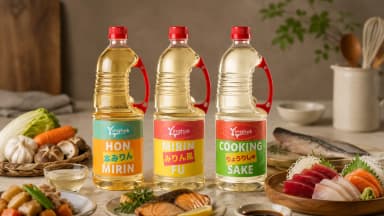
The essence of halal compliance is not using pork-derived ingredients or alcohol. Design that compensates for sweetness, richness, and aroma through alternative approaches—such as mirin-style seasonings and fermentation-derived flavor components—becomes essential.
The "dashi character" and "glaze" of Japanese seasonings change significantly based on the balance of ingredient composition. Rather than simply removing prohibited ingredients, redesigning to fill in the removed elements makes it possible to preserve the contours of authentic flavor.
Checkpoints When Selecting an OEM Partner
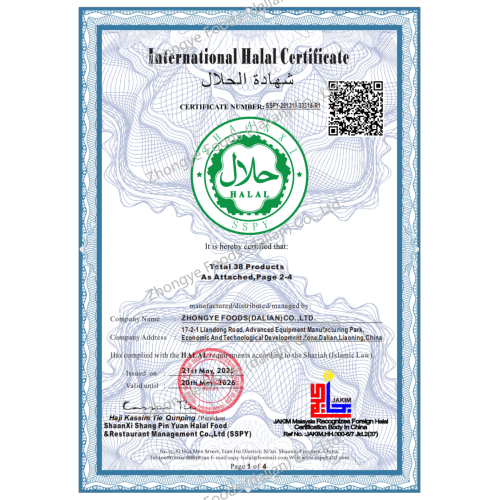
When selecting a partner for halal seasoning OEM, it is essential to verify not only flavor design capabilities but also the systems in place to meet requirements. Organizing the following perspectives helps prevent downstream complications.
The scope of halal certification required differs depending on the target market and the standards demanded by business partners. Since the items to confirm vary for domestic, export, and foodservice applications, it is advisable to organize the certification strategy at the early stages of development.
For individual certification acquisition and specification adjustments, the practical approach is to proceed in consultation with the partner. By clarifying "which categories" will be deployed to "which markets," the optimal design and scope of support come into focus.
Use Cases in Practice
Demand for halal Japanese food is rising simultaneously across multiple channels. Here we organize the anticipated use cases.
For foodservice chains catering to inbound tourism, replacing existing menu items with halal specifications reduces missed opportunities with Muslim visitors to Japan. Popular categories such as yakiniku, sushi, and flour-based dishes offer particularly strong potential.
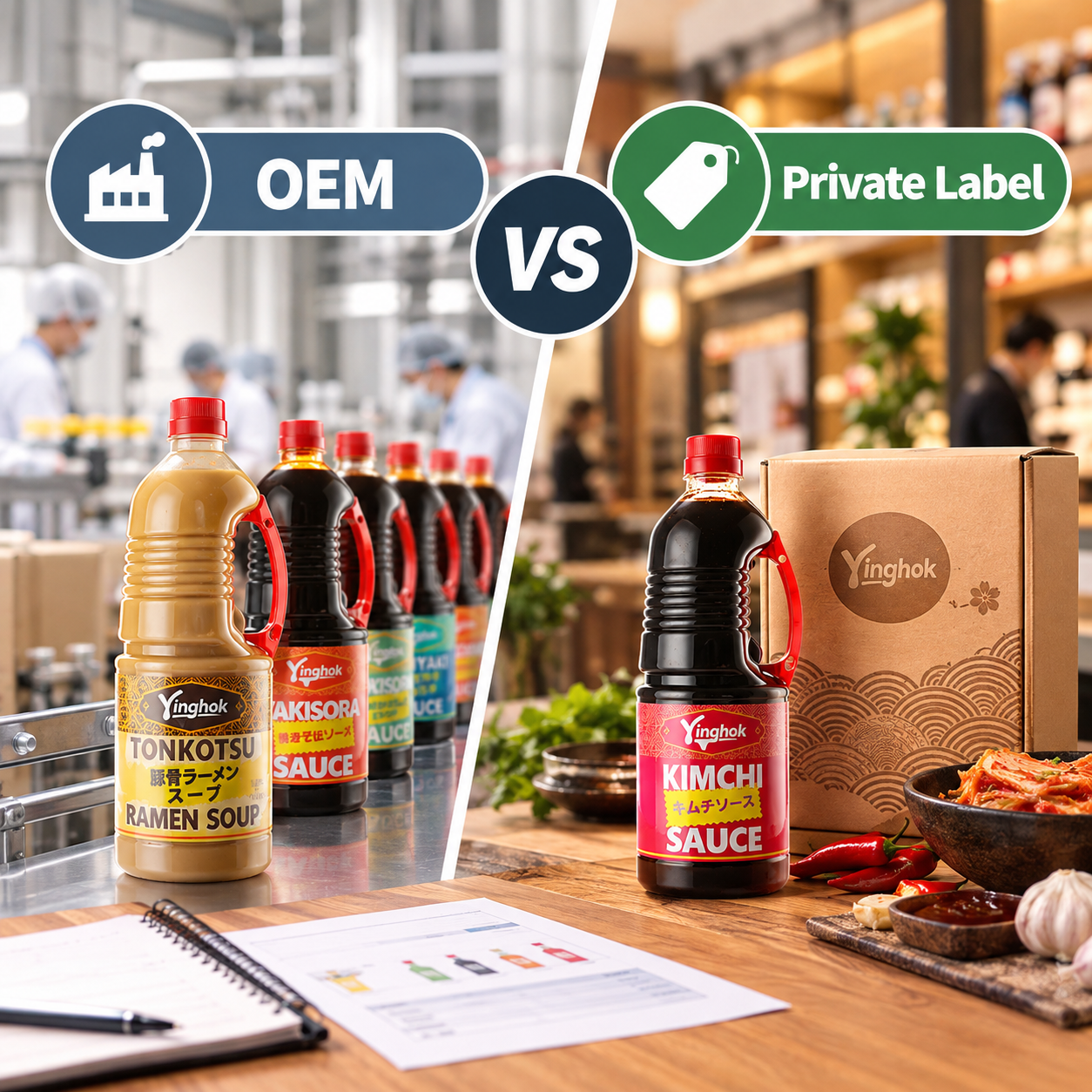
Among food manufacturers and trading companies, there is a growing move to launch halal-compliant Japanese seasonings as private label and export products. Combined with the diversification of country-of-origin risk and sourcing, this is a category where—precisely because supply is scarce—there is room to move ahead of the competition.
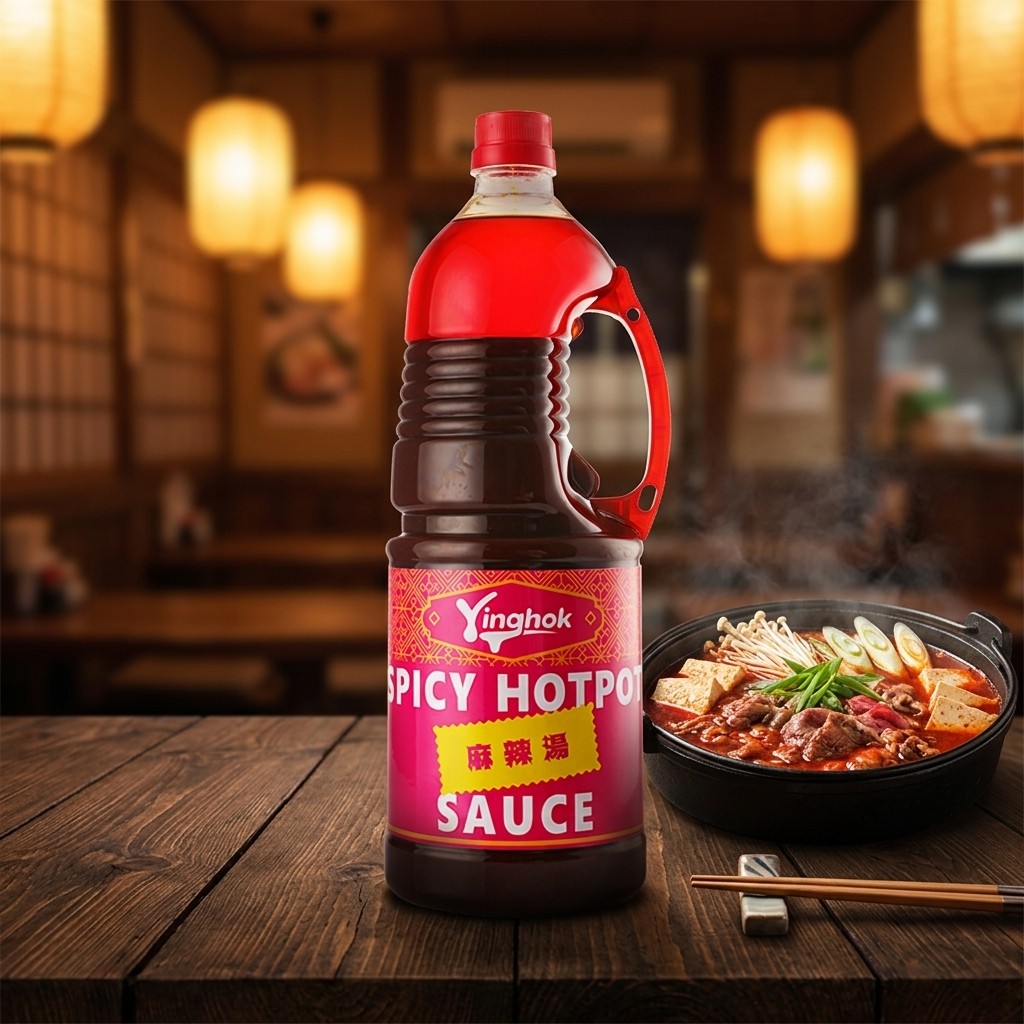
Nakano Foods (YINGHOK), a specialist manufacturer of Asian compound seasonings, offers these halal-compliant Japanese-style seasonings across a wide range of OEM/private label and foodservice applications, with support available through a point of contact in Japan.
Conclusion
Halal Japanese sauces are a promising category where supply has not kept pace with growing demand. The key lies in design that preserves "authentic Japanese flavor" while operating on a pork-free, alcohol-free basis and accounting for ingredient origins. Because compliance is achievable across a broad range—from yakiniku sauce and teriyaki to sushi vinegar—there is substantial room for deployment into inbound, domestic, and overseas Muslim markets. When selecting an OEM partner, be sure to confirm their formulation design capabilities, ingredient management, and willingness to discuss certification together. If you are considering halal compliance or Asian seasoning OEM, we recommend first verifying the flavor direction with a sample.
Request a free sample
Try our products with a free sample. Feel free to get in touch.
Request a sampleRelated Articles
 Guide
GuideHow to Turn Malatang into a Retort Pouch Product | The OEM Process
A guide for food manufacturers and trading companies exploring retort pouch products for malatang. From flavor standardization and mass-production consistency to regulatory compliance and shelf-life design, we outline the OEM process and the soup base that is key to success, all from a practical standpoint.
 Guide
GuideFood Regulation Guide for Selling Mala Tang in Japan
A guide to the food regulations governing mala tang. This article covers the positive list system for food additives, differences between Japanese and Chinese standards, key points on preservatives and labeling rules, and how designing products to comply with regulations from the start reduces rework in import and sales.
 Guide
GuideReducing Malatang OEM Costs: The Concentrated Soup Option
The key to reducing malatang OEM costs is leveraging concentrated soup base. This article explains, from a practical standpoint, how it cuts costs across three fronts—ingredient cost, storage, and prep—along with key points for cost design.