How to Start Overseas Food OEM: A Guide to Selecting the Right Manufacturing Partner

How to Start Overseas Food OEM: A Guide to Selecting the Right Manufacturing Partner
The shift toward overseas food OEM is steadily expanding among domestic food manufacturers and trading companies. Domestic production alone cannot fully resolve cost and supply challenges, and a growing number of companies are looking to accelerate the launch of private label products and new brands. At the same time, concerns such as "Will the quality standards align with ours?" or "Can they handle small-batch prototyping?" often cause companies to hold back from moving forward.
This article outlines the fundamentals of overseas OEM—from the basic workflow and common pitfalls to the certifications and production systems you should verify when selecting a partner. By understanding comparison criteria that go beyond price alone, you will gain the perspective needed to view overseas OEM not as "high-risk outsourcing" but as a viable lever for growth.
Why Food Manufacturers Are Turning to Overseas OEM Now
Three major factors drive the growing preference for overseas OEM. The first is cost optimization. By partnering with a manufacturer that handles everything from raw material procurement to production, companies can more easily achieve price points that are difficult under domestic production.
The second is supply stability. Diversifying countries of origin reduces the risk of dependence on any single region. The third is faster product development. In categories that require specialized expertise—such as Asian seasonings—working with an experienced OEM partner can significantly shorten development timelines.
Seasonings with Chinese, Korean, and Southeast Asian flavor profiles, in particular, require specialized technical skill to authentically reproduce. In many cases, it is far more rational to partner with a manufacturer that has a proven track record in the relevant category than to develop formulations entirely in-house from scratch.
The Basic Workflow for Implementing Overseas OEM
When considering overseas OEM for the first time, understanding the overall flow makes negotiations smoother. The typical implementation process consists of the following five steps.
1. Inquiry and Requirement Definition
Organize your target product category, desired flavor profile, preferred lot size, and price range before reaching out. Sharing Japanese market specifications and labeling requirements at this stage helps prevent rework in later phases.
2. Prototyping (Sample Development)
Prototypes are created based on the specified flavor profile. The prototyping approach varies by category—ramen soup, sauces, sushi seasonings, and so on. This is the most critical step for verifying flavor reproducibility.
3. Specification Adjustment and Finalization
Prototype feedback is incorporated to finalize specifications such as formulation, packaging, and shelf life. Packaging is determined according to the application—1.8L PET containers, gallon cans, or 20kg and 50kg bulk bags for foodservice use.
4. Mass Production and Quality Verification
Mass production begins based on the finalized specifications. Factories equipped with automated lines can more effectively minimize quality variation between lots.
5. Export and Delivery
Customs documentation and certificates of origin are prepared for export to Japan. A system that integrates the management of raw material procurement, production, and export provides peace of mind from a traceability standpoint.
Common Pitfalls in First-Time Overseas OEM
Most setbacks in overseas OEM stem from insufficient upfront verification. Here are three representative issues to keep in mind.
The first is misalignment in quality standards. Problems such as "the flavor differs from what we expected" or "the color and viscosity are unstable" often arise when specifications are shared ambiguously during the prototyping stage. It is essential to articulate the flavor profile using figures and concrete examples.
The second is the small-batch issue. If the minimum order quantity (MOQ) is too high, test marketing and limited-edition product rollouts become difficult. Whether a manufacturer can accommodate small-batch prototyping is a key point to verify during initial consideration.
The third is communication gaps. When language barriers and time differences delay the transmission of specifications, the entire development process stalls. A system capable of operating in Japanese, English, and Chinese helps minimize misunderstandings.
Comparison Criteria to Verify When Selecting a Partner
When comparing overseas OEM partners, it is essential to evaluate practical metrics beyond price from multiple angles. Organizing the following criteria, in particular, makes decision-making easier.
Certification Status
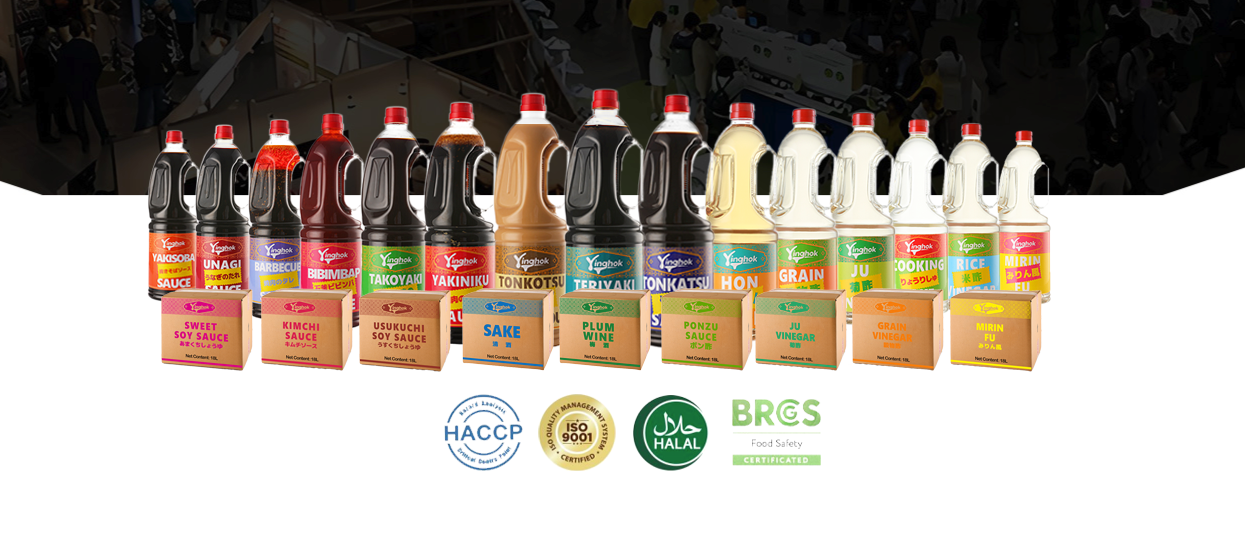
Certifications serve as objective evidence of food safety and are an important verification point. Confirm whether the partner holds certifications such as HACCP, ISO 9001, ISO 22000, BRC, FDA, and HALAL. HALAL compliance is also valuable when handling products targeting inbound tourists visiting Japan.
Production Capacity and Scalability
When assessing supply stability, annual production capacity and the scale of automated lines serve as concrete indicators. The ability to scale up production when demand grows is also important for medium- to long-term partnerships.
Customization Flexibility and Category Coverage
Manufacturers that can handle multiple categories—ramen soup, hot pot soup, various sauces, sushi seasonings, dressings, fermented seasonings, and more—can flexibly support the expansion of your product line.
Key Practical Metrics for Products Targeting the Japanese Market
For products targeting the Japanese market, three factors are especially valued: flavor reproducibility, stable supply, and traceability. Japanese consumers are sensitive to flavor consistency, and variation between lots can significantly affect product reputation.
In terms of stable supply, manufacturers with multiple production sites hold an advantage. Nakano Foods, for example, operates several sites, including its Foshan plant (2009), its Dalian Phase 1 plant (2015, 20,000 m²), and its Dalian Phase 2 plant (2023, 30,000 m²), with a rice vinegar and liquid seasoning plant also scheduled to begin operations in 2026.
Efforts to strengthen Japanese market support are also underway. Nakano Foods Japan is scheduled to open in October 2026, making it easier to conduct business discussions and receive support through a Japan-based point of contact. Viewing overseas OEM not as mere outsourcing but as a medium- to long-term partnership is what leads to building such a framework.
Conclusion: Making Overseas OEM a Lever for Growth
Overseas OEM is an option that allows you to pursue three values simultaneously: cost optimization, stable supply, and faster product development. The key to success lies in comparing certifications, production capacity, prototyping responsiveness, export track record, and communication systems comprehensively—rather than selecting based on price alone.
We recommend starting with small-batch prototyping to verify flavor reproducibility and the quality of communication. Once you identify a reliable partner, overseas OEM becomes a powerful tool for accelerating new brand launches and private label product development. If you have concerns about how to proceed with overseas OEM, consult a manufacturer with a proven export track record early in the process.
Request a free sample
Try our products with a free sample. Feel free to get in touch.
Request a sampleRelated Articles
 Guide
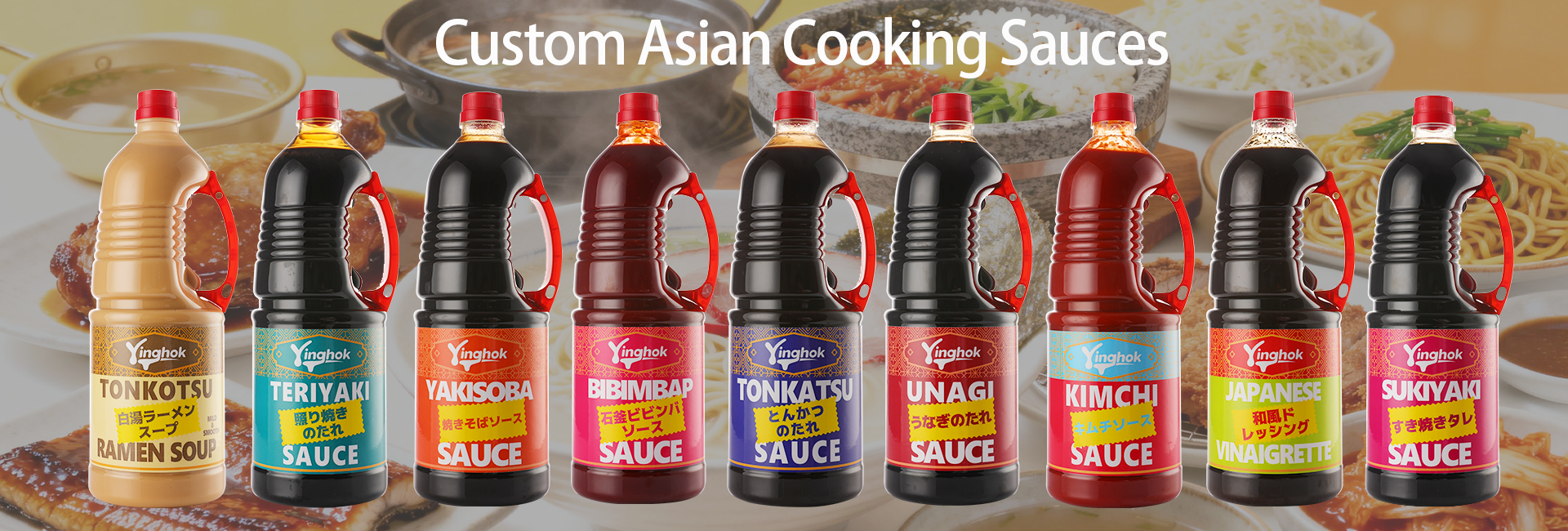
GuideCompound Seasoning OEM/Private Label: Bringing Your Own-Brand Seasonings to the World
A guide to developing compound seasonings via OEM/private label. Covers integrated production of sauces, tare, and soup bases, HALAL compliance, Japan-quality export capabilities, and key points from small-batch prototyping to mass production—written for B2B procurement professionals.
 Guide
GuideNew Plant Boosts Reach from 50 to 100 Countries | Asian Seasoning OEM
A guide to Asian seasoning OEM/PB supply capabilities. Learn how Nakano Foods aims to expand from 50+ to 100 countries through its new plant—covering production capacity, certifications, and multinational flavor expertise for trading companies and product developers.
 Guide
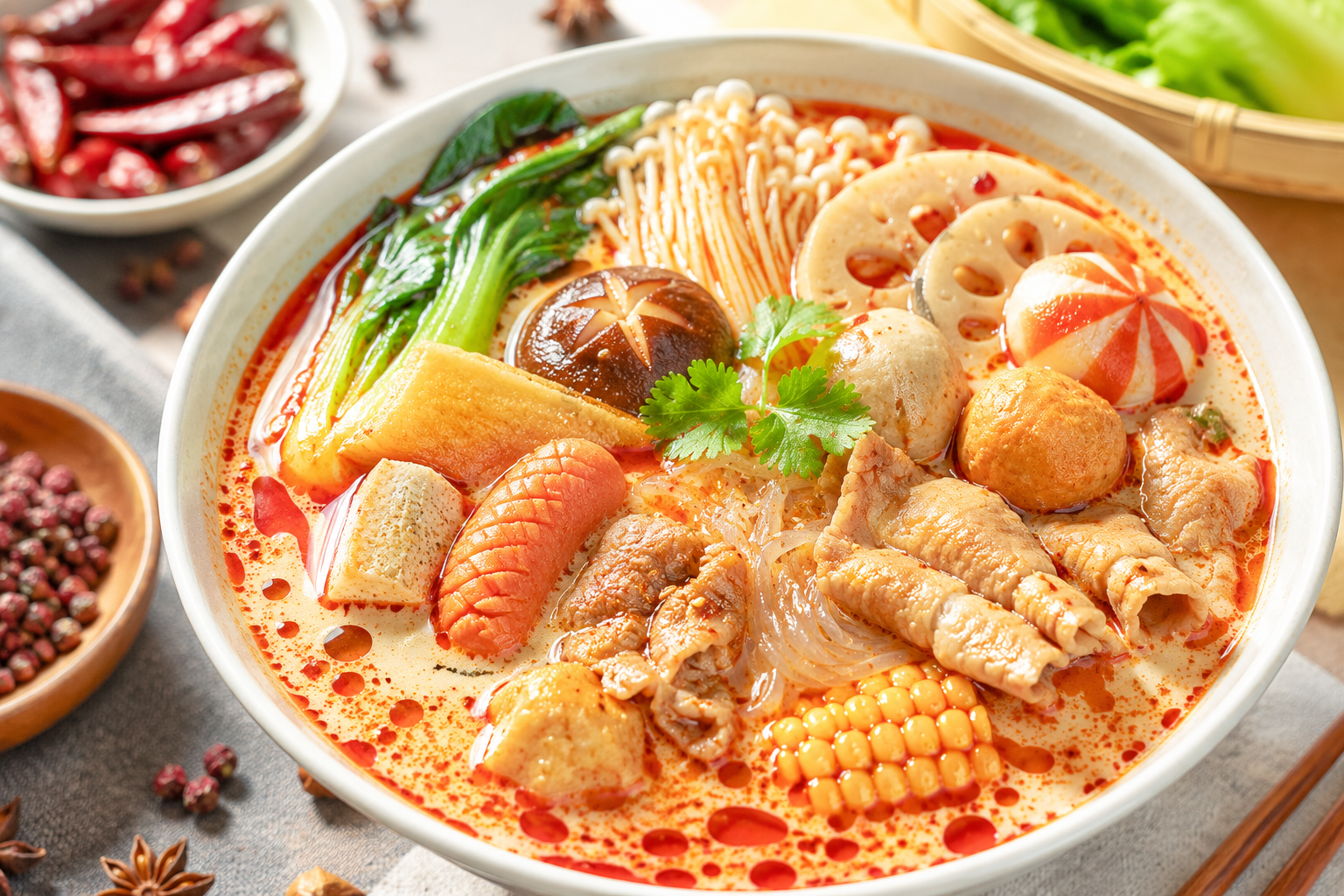
GuideStandardizing Flavor and Soup Base OEM: The Key to Private Labeling Mala Tang
The biggest hurdle in creating your own mala tang (spicy hot soup) product is flavor standardization. The key to reproducing a popular restaurant's taste at scale lies in the soup base. This article explains the essentials of OEM, private label, and retort-pouch production.