Choose a Factory Where the Flavor Is Native for Chinese and Asian Seasoning OEM | 5 Shifts in Foodservice Seasonings
The way businesses choose foodservice seasonings is changing. Until now, the norm was to pick whichever ready-made product suited your kitchen best. From now on, it is about starting from authentic flavor and designing it exclusively for your menu and your kitchen. And for Chinese and Asian seasonings, the shortest path is to have them made at a factory where the flavor is part of everyday life.
Five shifts in foodservice seasonings
1. Growing demand for authentic flavor Mala tang specialty shops keep opening, and restaurants serving truly regional Chinese food are drawing crowds. Chinese food simply adapted to local tastes no longer satisfies many diners.
2. Labor shortages drive demand for one-bottle seasonings Kitchens without the staff or time to build flavor from scratch are turning to blended sauces and soup bases that set the taste in one step.
3. Rising ingredient costs prompt a review of suppliers As prices keep rising, more companies are asking whether they can source the same quality on better terms.
4. The rise of private label Restaurants, retailers and ready-meal makers are turning their own signature flavors into products under their own brands.
5. Serving diverse diets such as halal With inbound tourism and exports growing, seasonings that respect religious and dietary needs such as halal are in demand.
What these five shifts have in common is a move away from flavors you can find anywhere, toward flavors that are authentic and made to fit your business.
Not "made in China," but "made where the flavor is native"
Chinese and Asian flavors are built from layers: the tingle of Sichuan pepper, the toasted note of chili, the fermented depth of doubanjiang, the richness of aromatic oil. Choosing spices and infusing oil at the right temperature for the right time are skills refined over generations in places where these dishes are part of daily life.
That is why it pays to choose a Chinese or Asian seasoning OEM partner not because "a factory in China is cheaper," but because "a factory that knows the authentic taste can make the real thing." Then the heat, saltiness and labeling are tailored to your market. This is how seasoning OEM should work from now on.
What to check before entrusting OEM to an overseas seasoning factory
Many buyers naturally have concerns about working with an overseas factory. Before you place a request, check the following:
- Quality control and certification: what quality systems and certifications the factory holds
- Compliance with local food additive rules: whether the formula can be designed around the additives and limits allowed in your market
- Food labeling and allergens: whether the factory can provide the information your labels require
- Import documentation: whether specification sheets and ingredient documents are ready for customs procedures
- Flavor adjustment for your market: whether the authentic taste can be adjusted for your customers
- Small-lot support: whether you can start with samples and small quantities
- A local point of contact: whether there is someone you can consult quickly in your language
If a factory can answer all of these, overseas OEM can move forward with confidence. For more on regulations, see our guide to food regulations for selling mala tang in Japan.
Our approach: authentic Asian flavor, made into your own product
Nakano Foods is a compound seasoning manufacturer with its own factory in Dalian, China. Our goal is to turn authentic Asian flavor into products that belong to our customers alone.
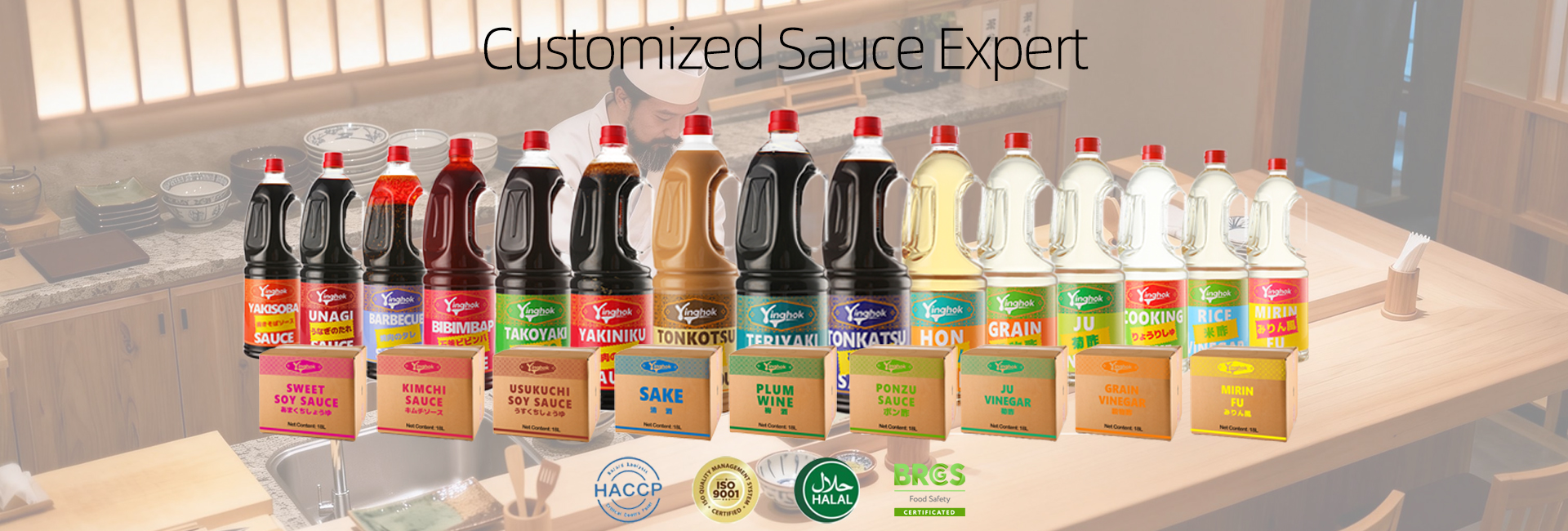
- Mala tang and hot pot soup bases, Chinese, Korean and Southeast Asian flavors, and Japanese sauces, all produced in our own factory from start to finish
- Heat, saltiness and labeling designed for your market, built on authentic flavor
- OEM and private label, starting from small-lot samples
- Pack sizes from sachets to 1.8L bottles and bulk foodservice bags, on request
- HACCP, ISO 9001, FDA, BRCGS and halal certified, supplying more than 50 countries
- A point of contact in Japan (our Japan International Department) for consultations in Japanese
To learn how to design a product backward from the menu, see Designing Seasoning OEM and Private Label Around the Menu. For halal, see Halal Japanese Sauce OEM: A Complete Guide.
Frequently asked questions
Q. Can a factory in China meet Japanese standards? A. Yes. We design formulas to meet Japanese food additive standards and labeling requirements, and we prepare specification sheets.
Q. Can we start with a small lot? A. Yes, starting from samples. You can check the taste and ease of use in small quantities before moving to mass production.
Q. Can you make flavors other than Chinese? A. Yes. We also make Korean and Southeast Asian sauces, as well as Japanese sauces such as teriyaki and sukiyaki.
Q. How does importing work? A. Products are imported through an importer in Japan. We prepare the specification sheets and ingredient documents needed for import procedures.
Tell us the flavor you have in mind
Authentic flavor, made into your own product. Tell us the flavor you want, your current menu and the challenges you face. Free samples are also available on request.
Request a free sample
Try our products with a free sample. Feel free to get in touch.
Request a sampleRelated Articles
 Guide
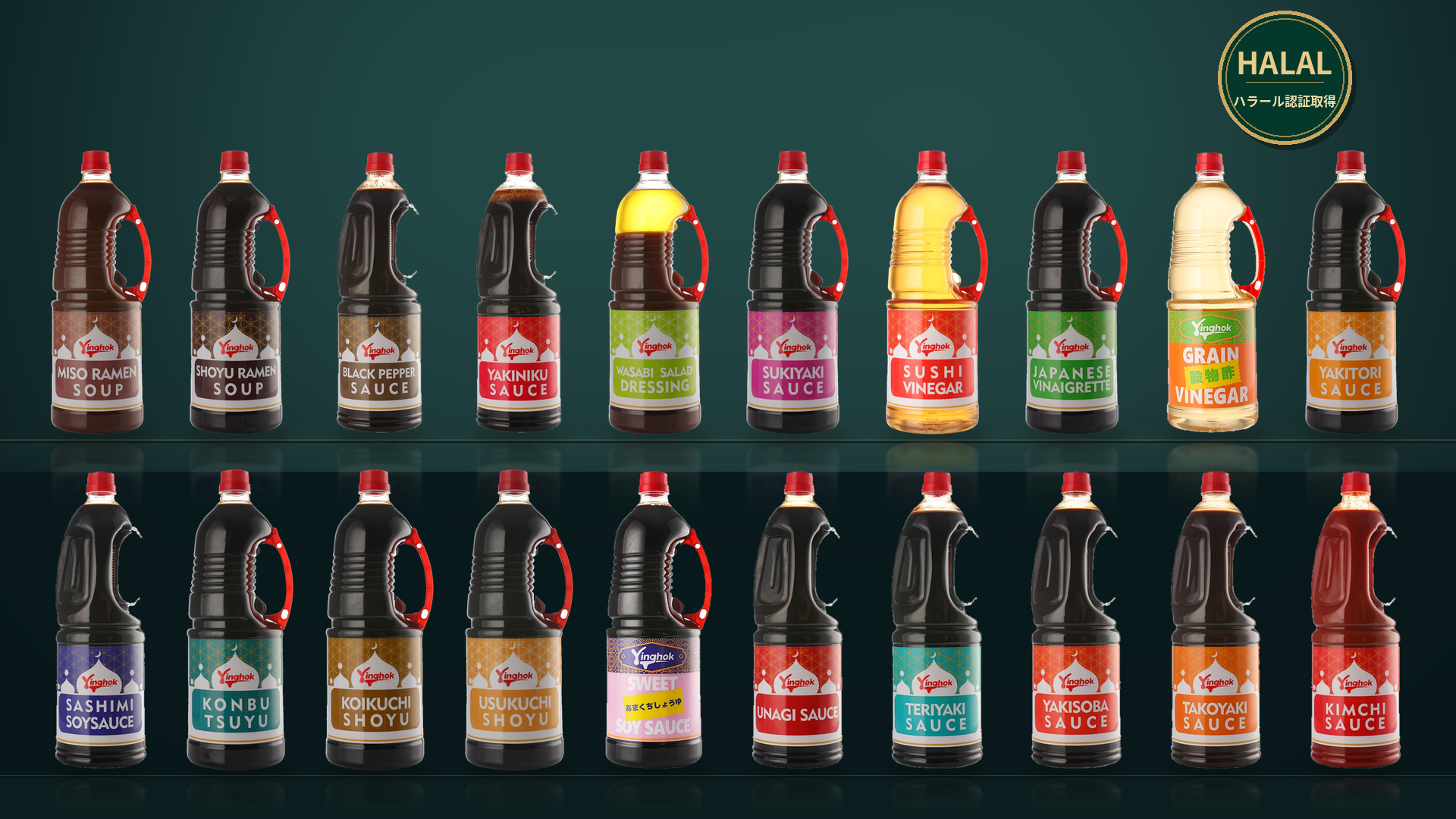
Key Points of Halal Seasoning OEM | Formulation Design That Preserves Japanese Flavor
A guide to the key points of reproducing Japanese flavor through halal seasoning OEM. We cover alcohol-free formulation design, ingredient verification through manufacturing control and certification, foodservice-grade sauces and tare, and applications for export and inbound tourism.
 Guide
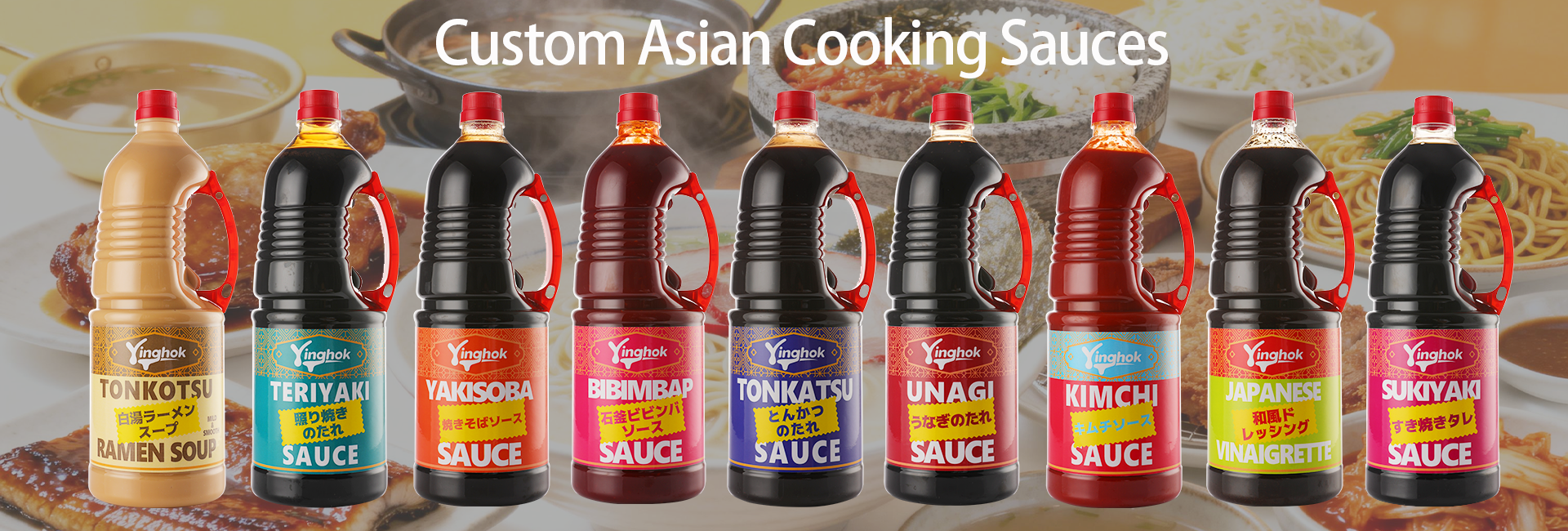
How to Choose a Sauce & Marinade OEM Manufacturer | 5 Criteria for Selecting a Private Label Partner
A guide to choosing a sauce and marinade OEM manufacturer based on five decision criteria. For procurement professionals, we outline how to select the right private label (PB) partner without missteps—covering flavor design capability, product range, volume and packaging, certifications, and account management.
 Guide
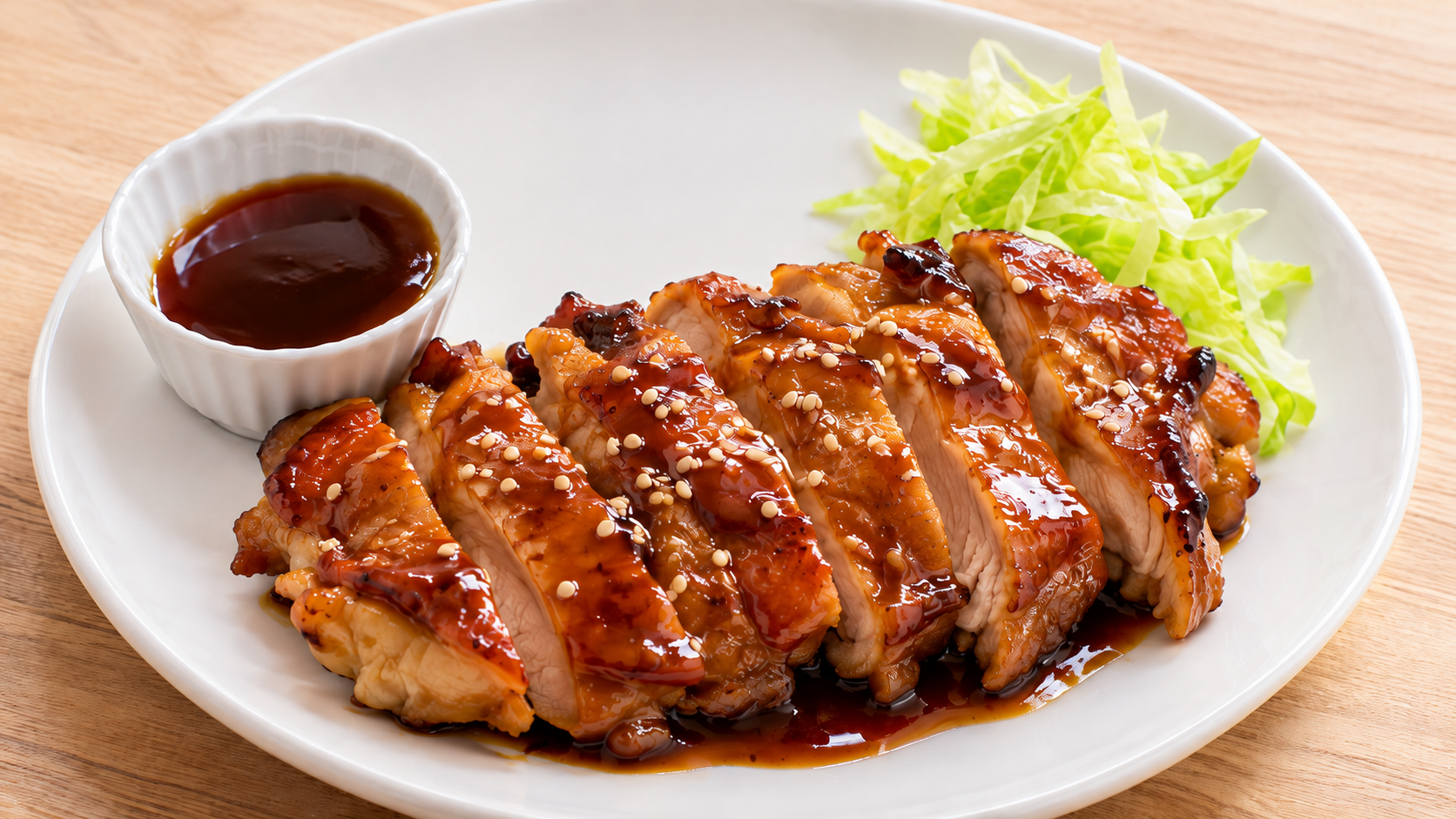
How to Develop a Teriyaki Sauce OEM | An Application-Based Design Guide
A guide for private label managers considering teriyaki sauce OEM, covering application-based design, flavor profiling, volume and packaging, and halal compliance. We explain the approach to accelerating prototyping—from foodservice to retail.